Welcome to an intriguing exploration of one of the most common household pests—the humble house fly. Ever swatted away a fly buzzing annoyingly around you and wondered, “does a house fly bite?” Well, you’re in the right place to find out! Let’s dive into the world of house flies and separate fact from fiction, ensuring you’re well-informed and ready to deal with these winged invaders effectively.
Understanding House Flies
Before we address whether house flies bite, let’s understand a bit more about these creatures:
Scientific Name: Musca domestica
Commonly Found: Almost everywhere humans are
Lifespan: Around 28 days
Physical Characteristics
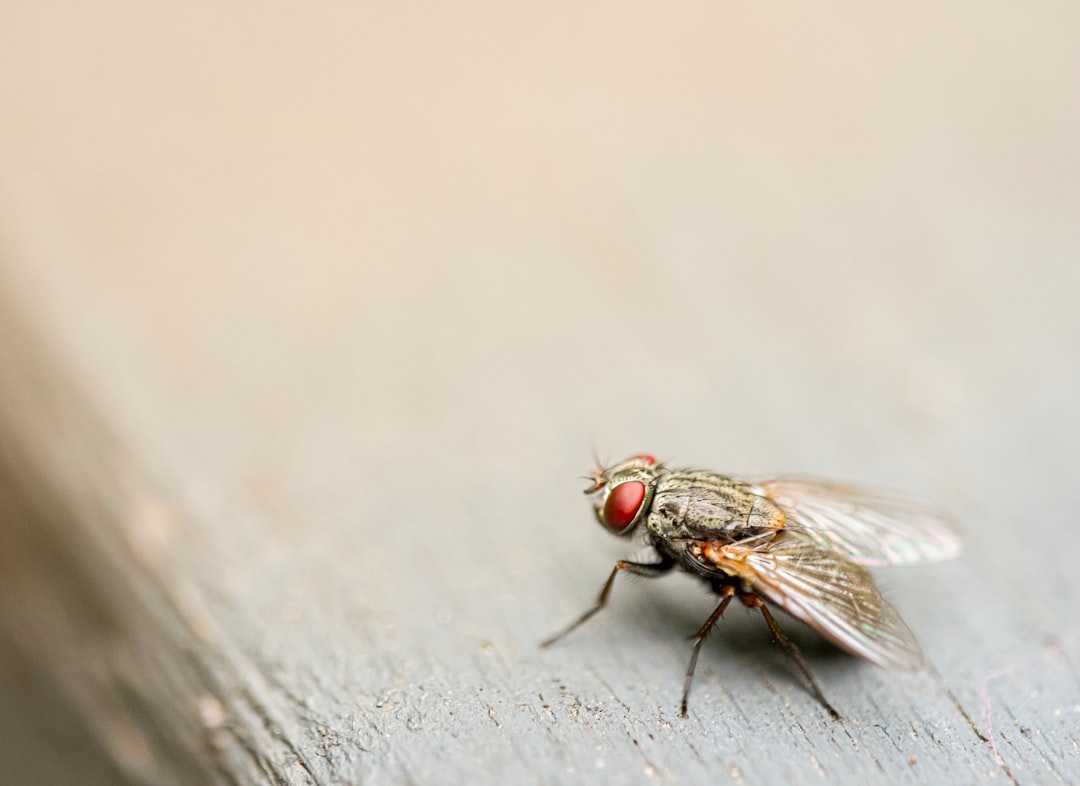
House flies typically measure about 1/4 to 1/8 of an inch. They are gray, with four dark stripes on the thorax, and have slightly hairy bodies. One of the most distinctive features of house flies is their eyes. Red, compound eyes can see 360 degrees, making it difficult to sneak up on them!
Do House Flies Actually Bite?
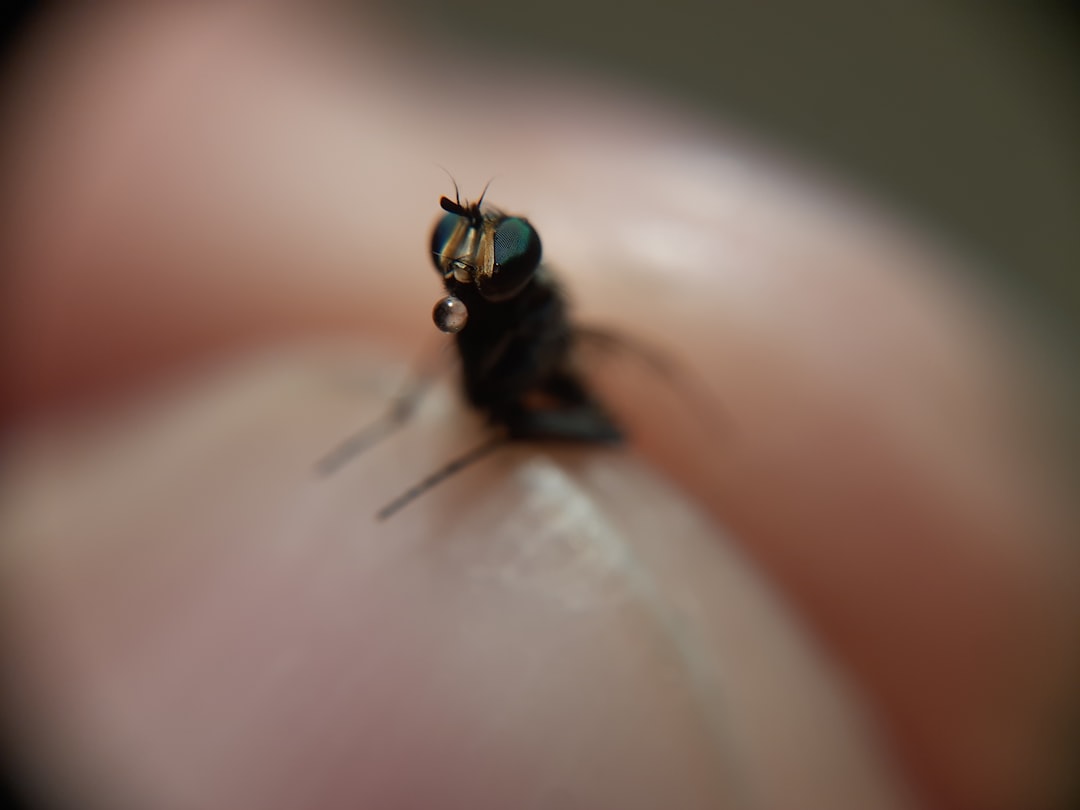
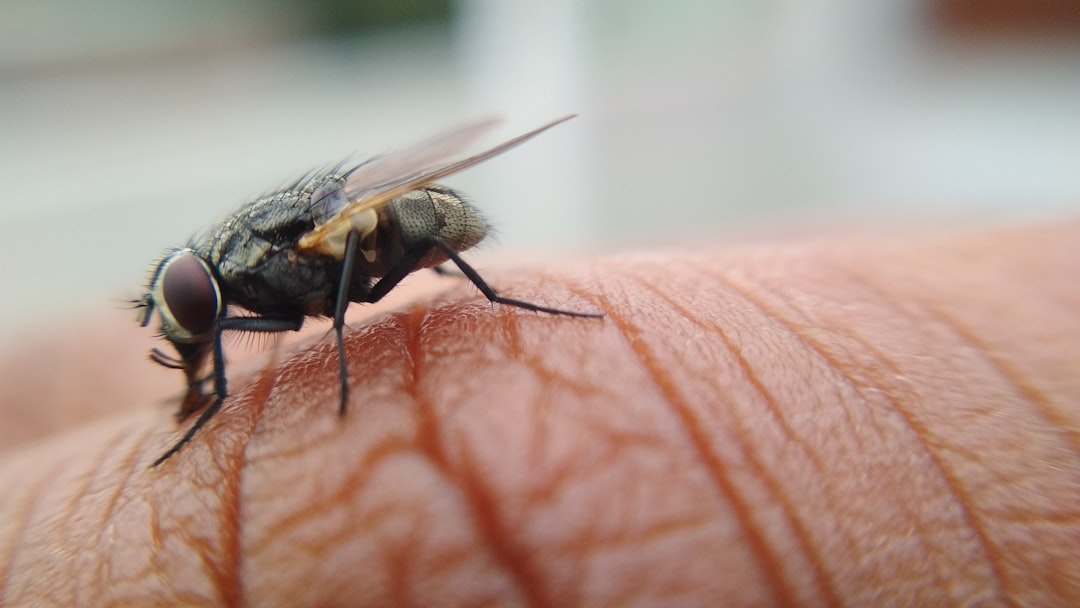
Now, to the burning question: does a house fly bite? The simple answer is no. House flies do not have the mouthparts necessary for biting. They possess a sponge-like structure and can only ingest liquids. Any biting fly you encounter is likely not a house fly but may be a related species like the horse fly or deer fly, which can bite and feed on blood.
Photo by Jin Yeong Kim on Unsplash
Common Misconceptions
It’s easy to confuse a house fly with other biting flies, especially if one isn’t familiar with the subtle differences in appearance. Here’s a quick breakdown:
Type of Fly
Bites
Distinguishing Feature
House Fly
No
Non-biting, feeds on liquids
Horse Fly
Yes
Larger and aggressive
Deer Fly
Yes
Sharper mouthparts
Health Risks Associated with House Flies
While house flies may not bite, they are not harmless. They are known vectors for various diseases due to their habits of visiting unsanitary sites such as garbage dumps or sewage. They can spread diseases like:
Salmonella
E. coli
Cholera
Prevention Tips
Managing house flies is crucial in maintaining a healthy environment:
Photo by Bhrugu Potdar on Unsplash
Sanitation: Regularly remove trash and clean garbage bins.
Exclusion: Use screens on windows and doors to prevent fly entry.
Control: Consider using fly traps or electric fly zappers.
FAQs About House Flies
Do house flies carry diseases?
Yes, they can carry numerous pathogens due to their feeding and breeding habits.
How can I tell a house fly apart from other flies?
Look for the smaller size and the absence of biting mouthparts compared to other common flies like horse flies.
What attracts house flies into my home?
Photo by Surya Prakash on Unsplash
Typically, they are attracted to food, sugary substances, and decaying organic matter.
Are house flies dangerous?
They are not dangerous in the sense of biting but can be health hazards by spreading diseases.
Can house flies bite pets?
No, house flies cannot bite; however, other types of flies, such as stable flies, can bite pets.
Conclusion: Debunking the Myth of the Biting House Fly
So, does a house fly bite? Clearly, the answer is no. However, knowing how to manage these pests and understanding the health risks they pose remains important. By implementing effective control measures and maintaining sanitary conditions, you can keep these pesky flies at bay. Remember, a clean home is your best defense against house flies!
Curious to learn more about pest control or have specific questions? Feel free to leave a comment or reach out to us. Your peace of mind is our priority!






Leave a Comment