Understanding House Fire Temperatures: A Comprehensive Guide
When a house fire ignites, it’s not just the flames that are alarming but also the intense heat generated. Understanding how hot house fires get can help in planning safety measures and mitigating risks effectively. Let’s explore the typical temperatures reached during a house fire and discuss how you can protect your home and loved ones.
Exploring the Intensity of House Fires
House fires can vary widely in temperature depending on several factors such as the materials burning, the amount of oxygen available, and the stage of the fire. But just how hot do these fires get? Let’s break down the specifics:
The Temperature Range of House Fires
Initial Ignition: At the start, a fire might only reach around 300 degrees Fahrenheit, which is already enough to cause significant damage.
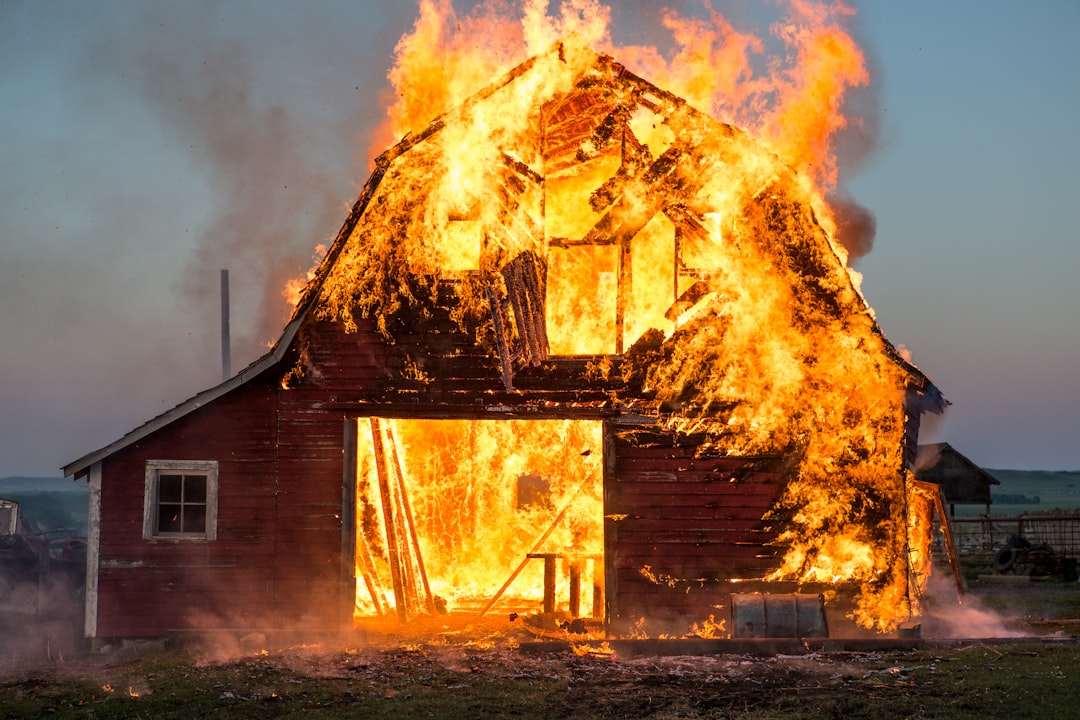
Fully Developed Fire: As the fire grows, temperatures can skyrocket. A typical house fire reaches temperatures of about 1,200 degrees Fahrenheit, but it can soar even higher.
Extreme Conditions: In some cases, especially with plentiful oxygen and highly flammable materials, temperatures can exceed 1,500 degrees Fahrenheit. Photo by joey senft on Unsplash
Typical Temperatures in Different Stages of a House Fire
Stage of Fire
Temperature (Fahrenheit)
Initial Ignition
300 – 500
Growth Stage
500 – 1,200
Fully Developed
1,200 – 1,500+
Factors Influencing the Temperature of a House Fire
The temperature of a house fire can be influenced by several key factors:
1. Types of Materials Burning
Different materials burn at different temperatures. For instance:
Wood: Burns at about 575 degrees Fahrenheit but can vary depending on the type of wood.
Plastics: Can melt and ignite at temperatures from 500 to 900 degrees Fahrenheit, depending on the type of plastic.
2. Availability of Oxygen
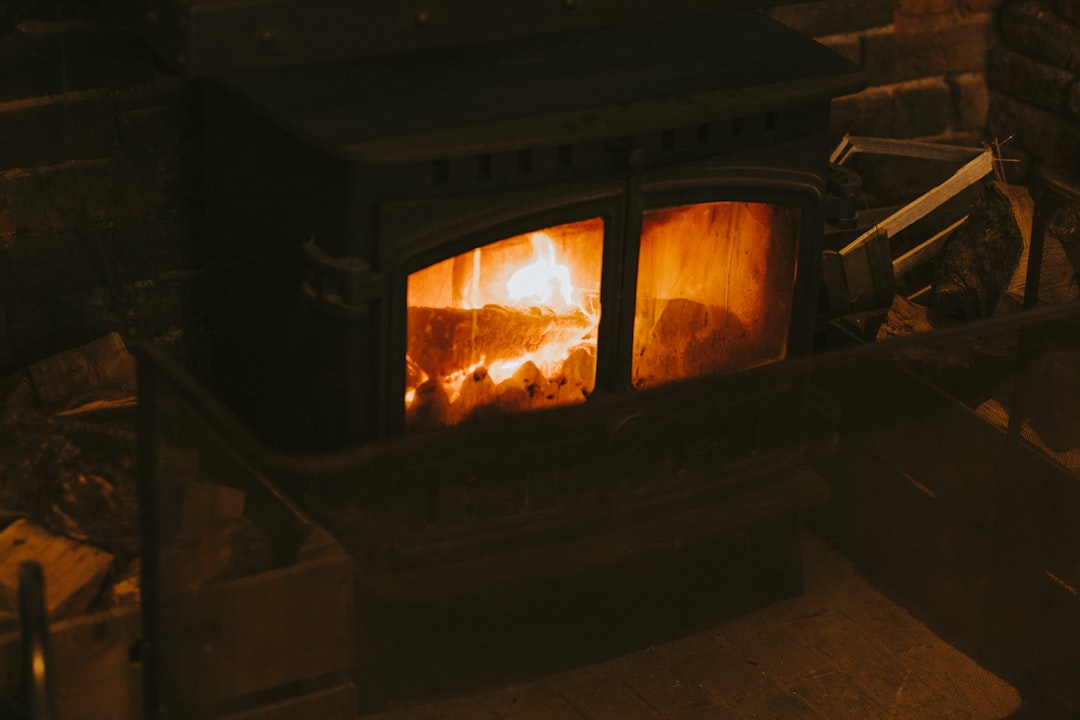
Photo by Annie Spratt on Unsplash
Oxygen is a fire’s best friend. More oxygen means a hotter and faster-spreading fire.
3. Fire Compartmentation
How a building is compartmentalized can affect how heat builds up in certain areas, influencing overall fire temperature.
Practical Tips for Managing Fire Heat in Your Home
Knowing how hot house fires get is crucial, but knowing how to manage this heat can save your property and lives. Here are some practical tips:
Install Smoke Alarms: This can’t be emphasized enough. Early detection saves lives.
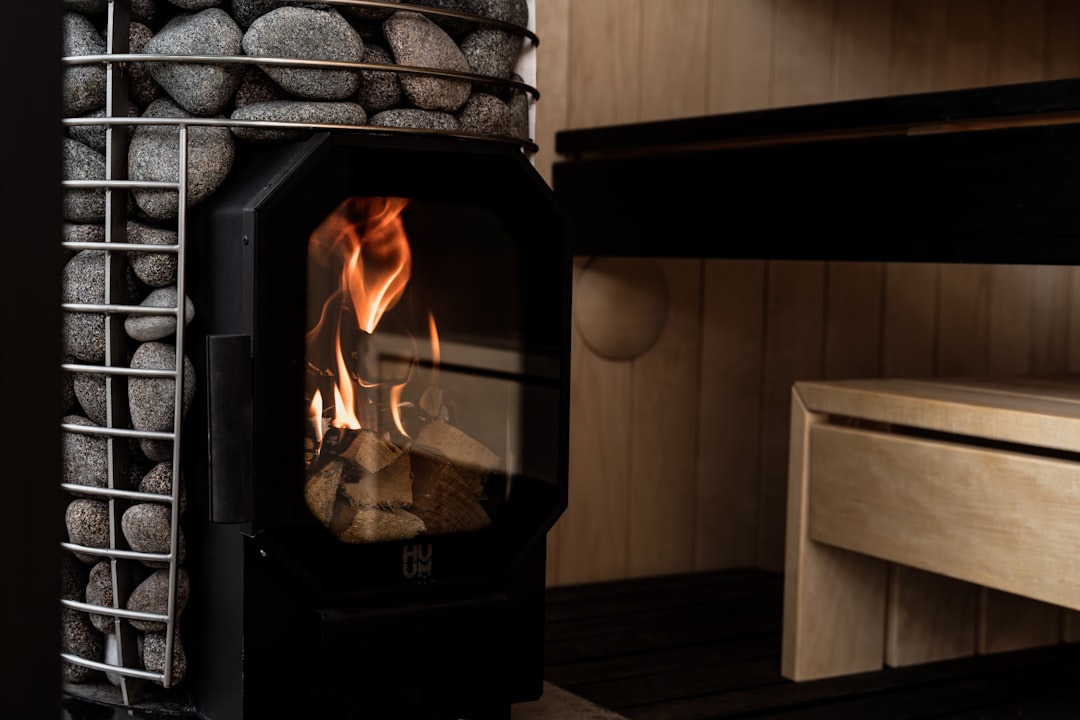
Use Fire-Resistant Materials: From building components to interior decorations, opt for materials that can withstand high temperatures. Photo by HUUM on Unsplash
Plan Escape Routes: Know your way out in case of a fire. Practice your escape plan regularly.
Regular Maintenance: Keep electrical systems and heating devices well maintained to prevent malfunctions that could start a fire.
FAQs About House Fire Temperatures
How quickly do house fires reach maximum temperature?
House fires can reach their peak temperatures within 10 to 20 minutes from the time they start.
What is the hottest part of a house fire?
The hottest part of a house fire is typically near the ceiling where hot gases accumulate.
Can house fires melt metal?
Yes, many metals can melt in a house fire, especially aluminum which melts at around 1,221 degrees Fahrenheit.
How do firefighters handle the extreme heat of house fires?
Firefighters wear specialized gear designed to protect against extreme heat and utilize tactics to manage fire growth and temperature.
Are there ways to reduce the temperature quickly in a house fire?
Using fire extinguishers and ensuring proper ventilation can help reduce temperatures somewhat, but professional firefighting services are essential in severe cases.
Conclusion: Staying Informed and Prepared
Understanding how hot house fires get is more than just a matter of curiosity—it’s a crucial aspect of fire safety. By knowing what to expect and how to prepare, you can significantly improve your chances of protecting your home and family from the dangers of fire. Remember, preparation starts with awareness, so keep these tips in mind and consider a professional fire safety audit for your home.
Ready to enhance your home’s fire safety? Contact your local fire department today for more tips and services!






Leave a Comment