How Much Does a House Weigh? Unpacking the Heft of Your Home
Welcome to the seemingly gravity-bound question, how much does a house weigh? Whether you’re a curious homeowner, a budding architect, or just someone fascinated by quirky facts, understanding the weight of a house offers more than just trivial knowledge. It plays a crucial role in construction, relocation, and even in the stability during natural disasters.
Understanding the Basics: What Influences a House’s Weight?
Before diving into numbers, let’s break down what constitutes the weight of a home:
Materials: The choice of materials can greatly affect the weight. For example, a brick house typically weighs more than a wooden one.
Size and Design: Logically, larger homes with more complex designs weigh more.
Foundation: The type of foundation (slab, crawl space, or basement) also contributes to the overall weight.
Typical House Weights by Material
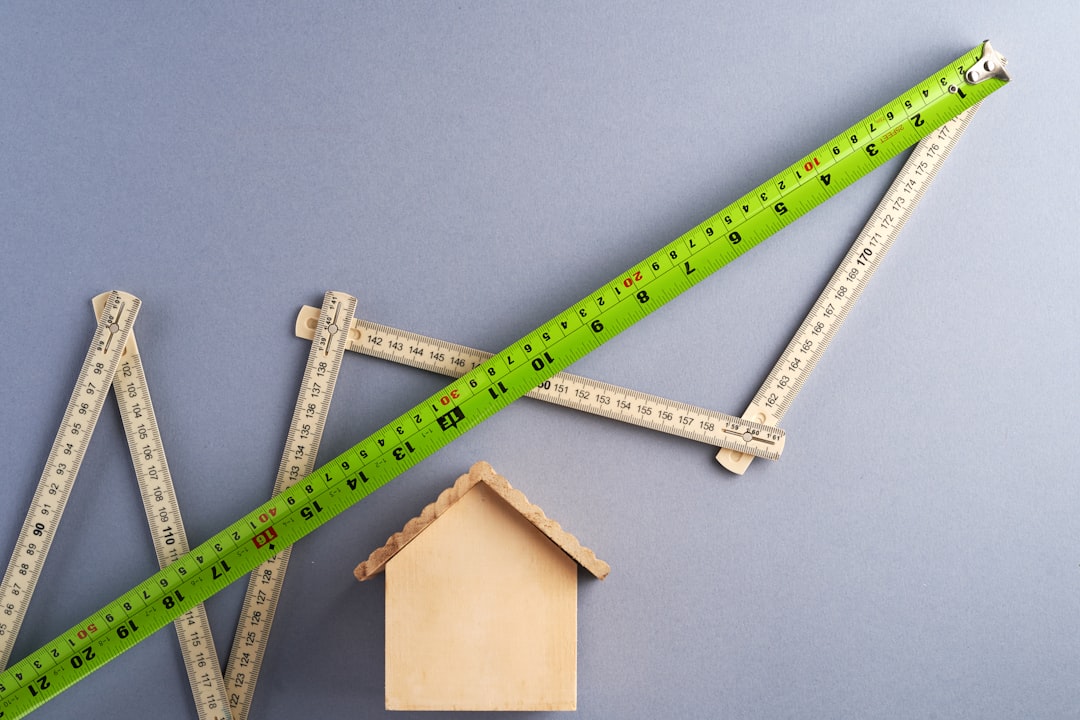
Photo by A.Rahmat MN on Unsplash
Here’s a general breakdown:
Material
Average Weight
Wood
Approximately 50 pounds per square foot
Brick
Approximately 80 pounds per square foot
Stone
Up to 120 pounds per square foot
How to Calculate the Weight of Your House
Calculating how much does a house weigh is not just about knowing the total square footage. You need to consider the materials used, the number of floors, and the type of foundation.
Step-by-Step Guide to House Weight Calculation
Determine the footprint of your house (length x width).
Calculate the area of each floor and sum them up for total area.
Estimate the weight per square foot based on the construction materials. Photo by eskay lim on Unsplash
Multiply the total area by the weight per square foot to get an approximate total weight.
For example, a two-story brick house with each floor measuring 1000 square feet would weigh roughly:
2000 sq ft x 80 lbs/sq ft = 160,000 lbs
Why Knowing Your House’s Weight Matters
Understanding how much your house weighs is more than an exercise in curiosity. Here’s why it’s important:
Construction and Engineering: Engineers need to know the weight to design suitable foundations and support systems.
Moving or Lifting Homes: In cases of relocation or raising homes for flood prevention, precise weight is crucial for safety. Photo by Nguyen on Unsplash
Disaster Preparedness: Knowing the weight helps in assessing a structure’s resilience to natural disasters like earthquakes and hurricanes.
FAQs About House Weight
Common Questions About How Much Does a House Weigh
1. Can the weight of a house affect its value?
Indirectly, yes. More durable materials often weigh more and can increase a home’s market value.
2. How does the weight of a mobile home compare to a regular house?
Mobile homes are significantly lighter, often weighing between 5,000 to 18,000 pounds depending on size and materials.
3. What is the heaviest part of a house?
The foundation is typically the heaviest part, especially if made of concrete.
4. How do renovations affect house weight?
Additions like extra rooms or choosing heavier materials can increase a house’s weight.
5. Are there regulations regarding house weight?
Yes, building codes often specify minimum requirements and standards that indirectly influence the weight of built structures.
Conclusion: The Scale of Your Home
So, how much does a house weigh? It’s a hefty question with a variable answer, depending on several factors. Knowing the weight of your home doesn’t just satisfy curiosity—it’s a critical piece of knowledge for safety, construction, and even legal compliance. If you’re planning construction or modifications, consider consulting with an engineer to get a precise assessment.
Curious about other fascinating home facts or need professional advice on home management? Dive deeper into our resources or contact our experts today!








Leave a Comment