Welcome! If you’re pondering the costs of giving your home a fresh new look with new siding, you’ve hit the jackpot. Residing a house not only boosts its curb appeal but can also significantly increase its market value. Let’s dive into the nitty-gritty of how much it costs to reside a house, exploring various materials, factors affecting cost, and practical tips to ensure you get the best value for your investment.
Understanding the Cost Factors
Several elements influence the overall cost of residing a house. Knowing these can help you budget more effectively and make informed decisions.
1. Material Choices
The type of siding you choose is a major factor in the cost:
Vinyl Siding: Popular for its durability and affordability. Average cost: $3 to $8 per square foot.
Wood Siding: Offers a classic look but requires more maintenance. Average cost: $5 to $10 per square foot.
Fiber Cement: Known for resistance to termites and rot. Average cost: $5 to $13 per square foot.
Brick or Stone: Provides a premium look but at a higher price point. Average cost: $11 to $30 per square foot.
2. House Size and Layout
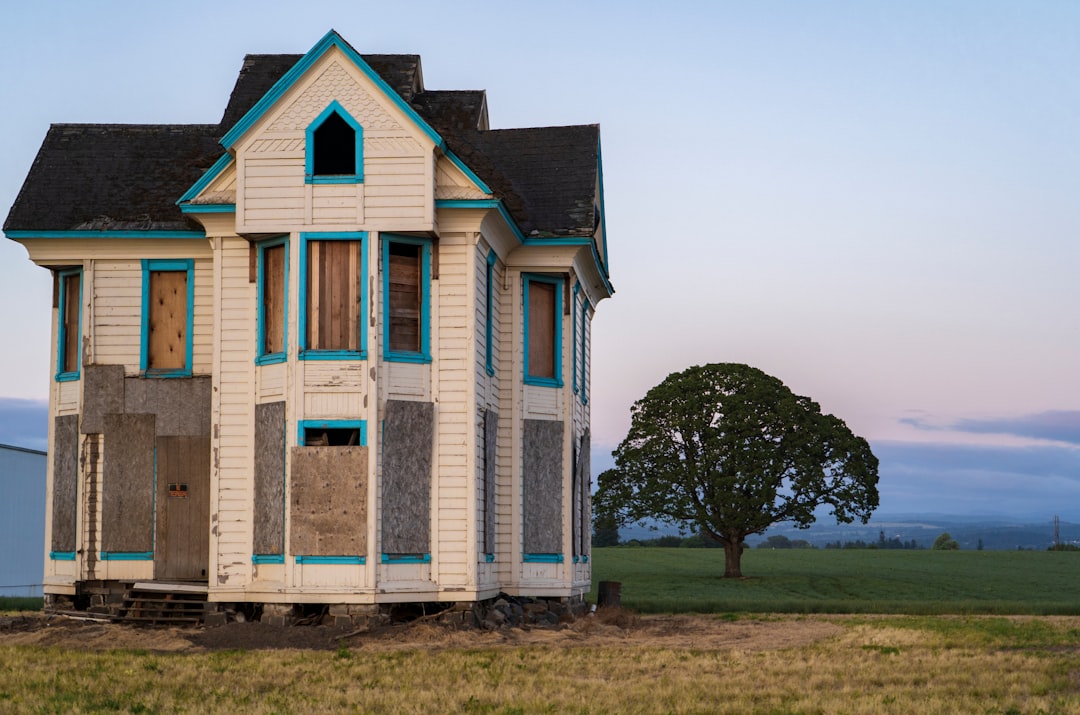
Photo by Dan Meyers on Unsplash
The larger your home, the more materials and labor will be required. Complex layouts with multiple stories or architectural features like gables can also increase the cost.
3. Removal of Existing Siding
If your project involves removing old siding, expect to pay an additional $1,000 to $3,000 depending on the amount and condition of the existing material.
4. Labor Costs
Labor can vary significantly by region and contractor. Typically, labor costs range from 30% to 50% of the total project cost.
Price Breakdown and Estimations
To give you a clearer idea, here’s a basic cost table for residing a 2,000 square foot home with different materials:
Material
Cost per Sq Ft
Total Cost
Vinyl
$3 – $8
$6,000 – $16,000
Wood
$5 – $10
$10,000 – $20,000
Fiber Cement
$5 – $13
$10,000 – $26,000
Brick/Stone
$11 – $30
$22,000 – $60,000
Maximizing Your Siding Investment
Here are some tips to ensure that your siding investment is sound and successful:
Photo by Kostiantyn Li on Unsplash
Choose the Right Contractor: Always opt for licensed, insured, and well-reviewed siding contractors.
Consider Longevity and Maintenance: Choose siding materials that suit your local climate and offer a good balance between longevity and maintenance needs.
Think About Resale Value: If you plan on selling your home, consider how the siding material might appeal to potential buyers.
Get Multiple Quotes: To ensure you get a competitive price and high-quality service, obtain quotes from several contractors.
FAQs on Residing Your House
How often should siding be replaced?
Siding should typically be replaced every 20 to 40 years, depending on the material and environmental conditions.
Can I reside my house myself?
While it’s possible, professional installation ensures better durability, warranties, and finishes.
Photo by Birmingham Museums Trust on Unsplash
Does new siding improve home insulation?
Yes, especially if you add insulative underlayments during the installation process.
Are there any hidden costs in residing?
Potential hidden costs include repairs to underlying damage, changes to insulation, and disposal fees for old materials.
Is financing available for residing projects?
Many contractors offer financing plans, and home improvement loans are also an option.
Conclusion: Ready to Transform Your Home?
Residing your house is a significant but rewarding investment. It not only enhances the aesthetic appeal of your home but also contributes to its structural integrity and energy efficiency. By understanding the factors that affect the cost and carefully selecting materials and contractors, you can ensure that your residing project is successful and cost-effective.
Ready to take the next step? Contact a local contractor today and discuss your residing options. Transform your home with a new exterior and enjoy the benefits for years to come!







Leave a Comment