Understanding the Height of a 2 Storey House | A Comprehensive Guide
Welcome to the ultimate guide on understanding the height of a 2 storey house! Whether you’re planning to build, buy, or just curious, knowing the typical dimensions of a two-storey structure can be incredibly helpful. So, let’s dive into the details and demystify the heights together!
Typical Height of a 2 Storey House
When we talk about the height of a 2 storey house, several factors come into play, but there are general standards that most buildings adhere to. Let’s explore these:
Average Height Considerations
The average height of a two-storey house varies by country and even by region within a country due to differing building codes and architectural styles. However, a typical range can be outlined:
Overall Height: Generally, the total height from the ground to the roof of a two-storey house is between 18 to 25 feet (5.5 to 7.6 meters).
Floor to Ceiling Height: Each floor typically measures 8 to 10 feet (2.4 to 3.0 meters) from floor to ceiling, with additional space for the thickness of the floor between each level.
Breakdown of Heights by Components
Understanding the breakdown of heights by components can help in planning and design:
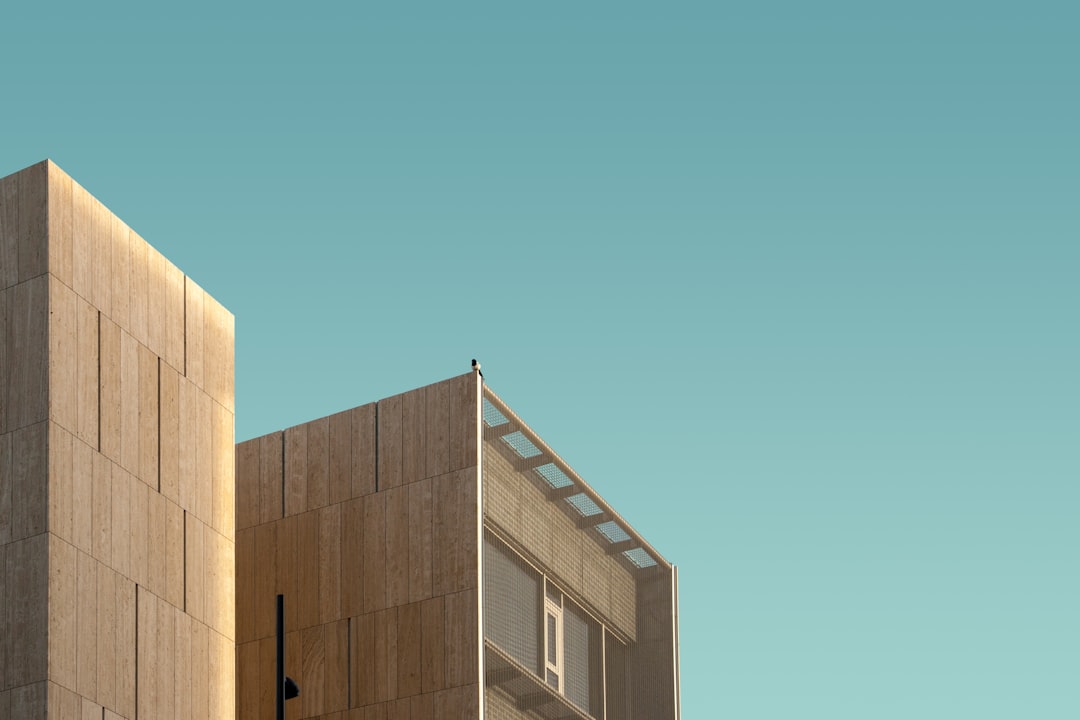
Photo by mdreza jalali on Unsplash
Component
Typical Height
Ground Floor Ceiling
9 to 12 feet
Second Floor Ceiling
8 to 10 feet
Roof and Foundation
1 to 3 feet each
Factors Affecting the Height of a 2 Storey House
Several factors can influence the height of a two-storey house:
Building Codes: Local regulations may dictate minimum and maximum heights for residential buildings.
Architectural Style: Some architectural styles, like Victorian or colonial, feature taller ceilings.
Functionality and Aesthetics: Preferences for larger windows or specific roof types can alter a building’s height.
How to Measure the Height of Your 2 Storey House
Measuring the height of your house can be useful for renovations, installations, or just to satisfy your curiosity. Here’s how to do it safely and accurately:
Use a Ladder: Place a ladder safely against the house reaching to the roof. Photo by Pierre Châtel-Innocenti on Unsplash
Tape Measure: Use a long tape measure from the base of the building to the top of the roof.
Check Multiple Points: Measure at different points to account for any sloping in the land or irregularities in building height.
FAQs about 2 Storey House Heights
What is the minimum height for a two-storey house?
The minimum height is typically around 16 feet, but this can vary based on local building codes and ceiling height preferences.
Does the roof height include in the total building height?
Yes, the total height generally includes the roof, unless specified otherwise in architectural drawings or building codes.
Can I adjust the height of my two-storey house?
Photo by Yuwei C on Unsplash
Adjustments can be made within the scope of local building codes and by potentially altering the interior ceiling heights or roof structure.
What is the ideal ceiling height for a two-storey house?
While the ideal height can vary by use and preference, a ceiling height of 9 to 10 feet is generally considered optimal for residential spaces on each floor.
Are there height restrictions for two-storey houses?
Yes, most localities have height restrictions to ensure safety, aesthetic conformity, and sunlight accessibility for surrounding properties.
Conclusion
Understanding the height of a 2 storey house is more than just a numerical value; it involves considering local regulations, architectural styles, and personal preferences. Whether you’re building or buying, knowing these details helps in making informed decisions.
Ready to dive deeper or need specific advice for your house project? Don’t hesitate to reach out to a local architect or building expert. Let your dream home rise to the perfect height!
“`
This sample article provides a comprehensive guide on the height of a two-storey house, including factors that affect the height, how to measure it, and answers to common questions. It adheres to SEO best practices with natural keyword usage, structured data, and is crafted to enhance readability and user engagement.








Leave a Comment