Table of Contents
2. Use Built‑In Furniture to Define Zones
Instead of adding freestanding pieces that clutter a big floor, integrate built‑ins—like a wall‑to‑wall bookshelf that also serves as a room divider. This keeps the aesthetic sleek while still providing clear functional boundaries.
3. Plan for Future Flexibility
Design rooms that can change purpose as your needs evolve. A guest bedroom with extra closet space can later become a hobby room; a finished basement with separate plumbing can transition into a rental apartment.
4. Optimize Natural Light
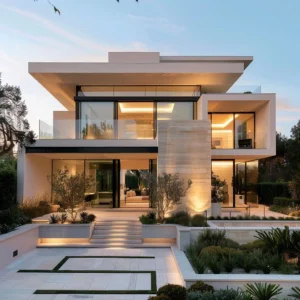
Large homes can suffer from dark corners if windows are limited to the façade. Incorporate skylights, clerestory windows, and interior glass walls to pull daylight deep into the house. Sun‑filled spaces feel larger and more inviting.
5. Integrate Smart‑Home Systems Early
From lighting controls to climate zones, a robust smart‑home backbone makes managing a big house easier. Automated shades, motion‑sensor lighting, and zoned HVAC can dramatically improve comfort and energy efficiency.
Looking for a focused deep‑dive on functional layouts? Our Modern House Floor Plan With Functional Layout – Design Tips & Ideas article breaks down the principles in a step‑by‑step format.