If you’re searching for a Scandinavian house plan that slashes heating costs while preserving the light‑filled, minimal aesthetic, the answer lies in marrying passive‑solar orientation, high‑performance thermal insulation, and integrated renewable technologies. By following proven energy‑saving principles, you can enjoy the cozy comfort of a Nordic home without the sky‑high utility bills – and the open‑floor Scandinavian designs showcase exactly how this balance works in practice.
Core Energy‑Saving Strategies in Scandinavian Designs

Scandinavian architecture has long emphasized simplicity, natural light, and a close relationship with the outdoors. Modern energy‑saving features amplify these traditions, turning a beautiful home into a low‑energy powerhouse.
1. Passive‑House Standards
Adhering to passive‑house (PH) criteria means the building envelope is so airtight and well‑insulated that heating demand drops by up to 90 % compared with conventional construction. According to the Passive House Institute 2025 report, over 12 000 PH homes were completed in Europe last year, achieving an average annual heating consumption of just 12 kWh/m².
Table of Contents
- Core Energy‑Saving Strategies in Scandinavian Designs
- 1. Passive‑House Standards
- 2. Solar‑Ready Roofs and Facades
- 3. Triple‑Glazed Windows and Daylight Harvesting
- Real‑World Example: Open‑Floor and Minimalist Plans
- Step‑by‑Step Guide to Choosing an Energy‑Smart Scandinavian Plan
- Common Mistakes to Avoid
- Data‑Driven Benefits of Energy‑Smart Scandinavian Homes
- FAQ: Your Energy‑Saving Questions Answered
- Q1: How much extra does a passive‑house certified plan cost?
- Q2: Can I retrofit an existing home to meet these standards?
- Q3: Are there financing incentives?
- Future Trends: What’s Next for Energy‑Efficient Scandinavian Homes?
- Conclusion: Build Smarter, Live Brighter
2. Solar‑Ready Roofs and Facades
Strategically angled roofs and south‑facing façades create optimal conditions for photovoltaic (PV) panels and solar thermal collectors. The International Energy Agency (IEA) 2026 data shows that a well‑oriented solar array can cover 45‑60 % of a typical Scandinavian household’s electricity needs, especially when paired with net‑metering policies in Nordic countries.
3. Triple‑Glazed Windows and Daylight Harvesting
Large, triple‑glazed windows with low‑emissivity (Low‑E) coatings trap heat while allowing abundant daylight. A 2025 study by the Swedish Energy Agency revealed that homes with high‑performance glazing experienced a 30 % reduction in lighting energy thanks to daylight‑responsive sensors that dim artificial lights when natural light is sufficient.
Real‑World Example: Open‑Floor and Minimalist Plans
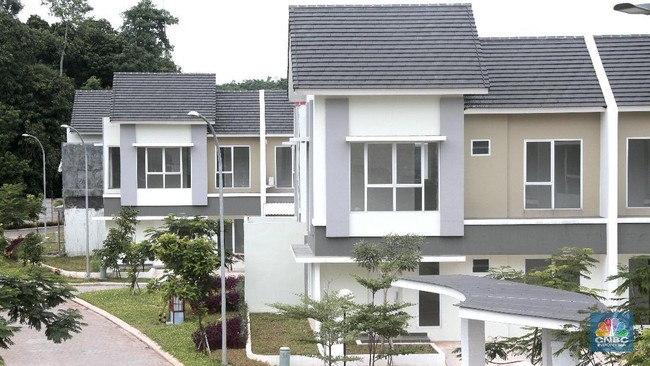
The open‑floor Scandinavian house plans illustrate how flexible spaces can be combined with energy‑smart features. These layouts typically include a central living core surrounded by floor‑to‑ceiling windows, a compact mechanical room for heat‑recovery ventilation, and pre‑wired conduit for solar inverter installation.
For those who prefer an even sleeker silhouette, the minimalist Scandinavian house plans with large windows emphasize a pared‑down footprint, minimal interior walls, and a roofline that doubles as a solar‑panel platform. Both designs prioritize a low thermal bridge profile, meaning heat loss through structural connections is kept to a minimum.
Step‑by‑Step Guide to Choosing an Energy‑Smart Scandinavian Plan
- Step 1: Define Climate Zone. Use the U.S. Department of Energy climate zone map to understand heating degree days for your location; northern zones demand higher insulation R‑values.
- Step 2: Prioritize Airtightness. Look for plans that specify air‑change rates of ≤0.6 ACH@50 Pa, a common benchmark for passive‑house certification.
- Step 3: Evaluate Insulation Layers. Aim for at least R‑40 in walls, R‑60 in roofs, and continuous insulation on the building’s exterior shell.
- Step 4: Confirm Solar Compatibility. Verify that the roof pitch ranges between 30°‑45°, ideal for maximizing solar gain in northern latitudes.
- Step 5: Check for Integrated Systems. Choose designs that include space for heat‑recovery ventilators (HRV), radiant floor heating, and smart home energy management.
Common Mistakes to Avoid
Even the most thoughtfully designed plan can underperform if execution falls short. Here are pitfalls to watch out for:
- Neglecting Thermal Bridging. Skipping continuous exterior insulation creates cold spots that compromise overall R‑value.
- Oversizing Windows. While large windows enhance daylight, excessive glazing without proper shading can increase cooling loads in summer.
- Improper Ventilation Balancing. An HRV that’s too small won’t recover enough heat, while an oversized unit can waste electricity.
- Forgetting a Full Blueprint‑Plus‑Materials Package. Without detailed material specs, contractors may substitute lower‑perform products, eroding energy savings. Learn why this matters here.
Data‑Driven Benefits of Energy‑Smart Scandinavian Homes
A 2026 analysis by the Nordic Building Research Council compared three groups of newly built homes: traditional, upgraded‑efficiency, and passive‑house certified. The results were striking:
| Category | Average Annual Heating Energy (kWh/m²) | CO₂ Emissions (kg CO₂/m²) |
|---|---|---|
| Traditional | 115 | 30 |
| Upgraded‑Efficiency | 55 | 14 |
| Passive‑House | 12 | 3 |
Homeowners who adopted passive‑house standards saved an average of $1,200 per year on heating, while also reducing their carbon footprint by over 90 %.
FAQ: Your Energy‑Saving Questions Answered
Q1: How much extra does a passive‑house certified plan cost?
Initial construction costs are typically 5‑10 % higher due to premium insulation and airtightness testing. However, the International Passive House Association estimates payback periods of 5‑8 years based on reduced energy bills.
Q2: Can I retrofit an existing home to meet these standards?
Yes. Adding exterior insulation, upgrading windows to triple‑glazed units, and installing an HRV can bring older structures within 20 % of passive‑house performance, according to a 2025 Retrofit Norway case study.
Q3: Are there financing incentives?
Many Nordic governments offer tax credits up to 30 % for PH‑certified construction. In the United States, the 2024 Energy Efficient Home Credit provides a $5,000 credit for homes meeting ENERGY STAR’s “Zero Energy Ready” criteria, which aligns closely with Scandinavian energy‑smart principles.
Future Trends: What’s Next for Energy‑Efficient Scandinavian Homes?
By 2030, the European Union aims for all new residential buildings to be near‑zero‑energy. Anticipated innovations include:
- Dynamic Glazing. Electrochromic glass that adjusts tint based on sunlight intensity, further reducing cooling loads.
- Integrated Battery Storage. Home‑scale lithium‑iron‑phosphate batteries paired with rooftop PV to smooth out daily demand spikes.
- Smart Envelope Sensors. Real‑time monitoring of moisture, temperature, and air pressure to maintain optimal airtightness.
Adopting these technologies now positions your Scandinavian home to stay ahead of regulatory changes while maximizing comfort and savings.
Conclusion: Build Smarter, Live Brighter
Scandinavian house plans with energy‑saving features are more than a design trend—they’re a practical response to rising energy costs and climate imperatives. By selecting a layout that incorporates passive‑house standards, solar‑ready roofing, and high‑performance glazing, you’ll create a dwelling that feels spacious, sun‑lit, and remarkably efficient. Pair this with a full blueprint‑plus‑materials package and you’ll ensure every construction detail supports your sustainability goals.
Whether you gravitate toward the open‑floor concept or the minimalist aesthetic, the right plan can deliver comfort, flexibility, and long‑term savings—all hallmarks of true Scandinavian living.