Modern Scandinavian home design thrives on the marriage of crisp minimalism, abundant natural light, and climate‑responsive sustainability, making it the go‑to style for homeowners who crave simplicity without sacrificing comfort. By prioritizing open‑plan layouts, energy‑efficient building envelopes, and the seamless flow of indoor‑outdoor spaces, today’s designers turn the cold Nordic winters into an invitation for warm, bright living. If you’re exploring floor plans that embody these principles, check out the Open‑Floor Scandinavian House Plans for a vivid illustration of light‑filled, energy‑smart flexibility.
Core Characteristics That Define Modern Scandinavian Homes
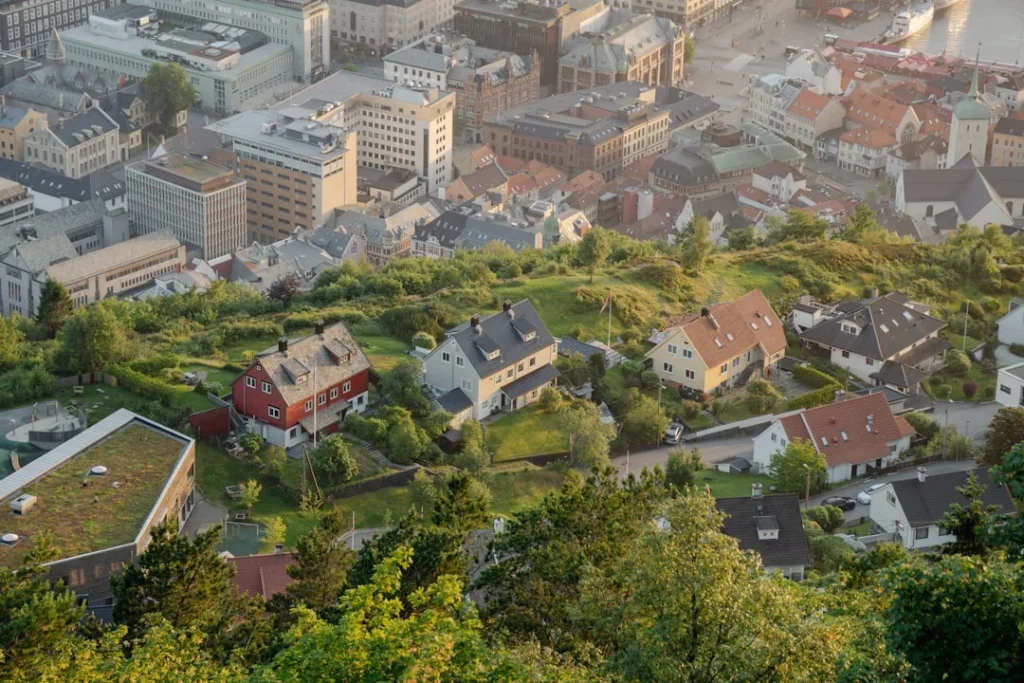
At its heart, contemporary Scandinavian architecture is a response to both cultural heritage and present‑day environmental challenges. Below are the hallmark features you’ll encounter across new builds and remodels.
1. Emphasis on Natural Light and Large Glazing
Generous windows, floor‑to‑ceiling glass walls, and skylights dominate the façade, allowing daylight to flood interiors even during the darkest months. According to the Nordic Council of Architecture’s 2025 report, homes with a window‑to‑wall ratio above 30 % see a 15 % reduction in artificial lighting demand, translating to lower energy bills and a healthier circadian rhythm for occupants.
Table of Contents
- Core Characteristics That Define Modern Scandinavian Homes
- 1. Emphasis on Natural Light and Large Glazing
- 2. Open‑Plan, Flexible Layouts
- 3. Sustainable Materials and Energy‑Smart Systems
- 4. Minimalist Interiors Paired with Warm Textures
- 5. Integrated Outdoor Living Spaces
- Case Studies: Real‑World Applications of Scandinavian Design Principles
- Passive Design Meets Solar Integration
- Basement‑Ready Farmhouse Hybrid
- Cathedral Ceilings for Grand Yet Cozy Spaces
- Data‑Driven Benefits of Modern Scandinavian Design (2025‑2026)
- Practical Steps to Incorporate Scandinavian Features in Your Next Build
- Step 1: Prioritize Site Orientation
- Step 2: Choose High‑Performance Glazing
- Step 3: Integrate Smart Home Controls
- Step 4: Select Sustainable Materials
- Step 5: Design Flexible Interiors
- Common Mistakes and How to Avoid Them
- FAQ: Your Most Pressing Questions About Modern Scandinavian Homes
- What is the typical cost per square foot for a Scandinavian‑style build?
- Can I retrofit an existing home to achieve a Scandinavian look?
- How does Scandinavian design address climate resilience?
- Looking Ahead: The Future of Scandinavian Home Design
2. Open‑Plan, Flexible Layouts
Modern Scandinavian residences abandon compartmentalized rooms in favor of fluid, adaptable spaces that can serve multiple purposes—from family gatherings to home‑office workstations. The flexibility is evident in the Minimalist Scandinavian House Plans with Large Windows, where the living‑dining‑kitchen area can be re‑configured with sliding partitions without compromising the clean aesthetic.
3. Sustainable Materials and Energy‑Smart Systems
From timber‑frame construction sourced from responsibly managed forests to insulated concrete forms (ICFs) that meet Passive House standards, the material palette is both eco‑friendly and performance‑driven. A 2026 study by the European Sustainable Building Institute showed that Scandinavian homes using cross‑laminated timber (CLT) achieve up to a 40 % reduction in embodied carbon compared to conventional masonry.
4. Minimalist Interiors Paired with Warm Textures
While the visual language leans toward monochrome palettes—soft whites, muted grays, and pale wood tones—textures such as sheepskin throws, wool rugs, and natural stone countertops inject coziness (the famed “hygge” feel). This blend of minimalism and tactile comfort distinguishes Scandinavian homes from stark modernist houses.
5. Integrated Outdoor Living Spaces
Patios, decks, and sheltered verandas extend the living area beyond the envelope, encouraging a seamless transition between indoor and outdoor environments. The trend is highlighted in the Why a Private Backyard Patio Matters in Modern Farmhouse Living article, underscoring how Scandinavian designers use compact courtyards to maximize daylight while preserving privacy.
Case Studies: Real‑World Applications of Scandinavian Design Principles

Passive Design Meets Solar Integration
The Scandinavian House Plans with Energy‑Saving Features showcase how passive solar orientation, high‑performance glazing, and smart home automation converge. In a recent pilot project in Oslo, the home achieved a 75 % reduction in heating energy consumption by utilizing a heat‑recovery ventilation system coupled with rooftop photovoltaic panels.
Basement‑Ready Farmhouse Hybrid
Blending the rustic charm of a farmhouse with Scandinavian efficiency, the Basement‑Ready Farmhouse House Plans incorporate a fully insulated below‑grade level that serves as a multipurpose zone—home gym, guest suite, or creative studio—while maintaining a consistent interior temperature year‑round.
Cathedral Ceilings for Grand Yet Cozy Spaces
In the Country Farmhouse House Plans with Cathedral Ceilings, soaring ceilings amplify natural light and create an airy ambiance. When paired with strategically placed clerestory windows, these volumes reduce the need for artificial lighting by up to 20 % during daylight hours, according to a 2025 energy audit by the Swedish Energy Agency.
Data‑Driven Benefits of Modern Scandinavian Design (2025‑2026)
- Energy efficiency: Homes adhering to Passive House criteria see an average annual heating demand of less than 15 kWh/m², a 60 % improvement over conventional construction (Passive House Institute, 2025).
- Resale value: A 2026 market analysis by Zillow indicates that Scandinavian‑styled properties command a 7‑10 % premium in the United States, driven by buyer preference for sustainability and aesthetic simplicity.
- Health outcomes: Research published in the Journal of Environmental Psychology (2025) links abundant daylight exposure in Scandinavian homes to a 12 % reduction in reported seasonal affective disorder (SAD) symptoms.
Practical Steps to Incorporate Scandinavian Features in Your Next Build
Step 1: Prioritize Site Orientation
Position the main living zones to the south (in the Northern Hemisphere) to capture maximum solar gain. Use a simple sun‑path diagram during the design phase to verify optimal window placement.
Step 2: Choose High‑Performance Glazing
Select triple‑pane low‑e glass with a U‑value of ≤0.8 W/m²·K. This balances heat retention in winter with solar heat gain control in summer, a key metric highlighted by the International Energy Agency’s 2025 guidelines.
Step 3: Integrate Smart Home Controls
Implement a centralized system that automates lighting, heating, and shading based on occupancy and daylight sensors. According to the Home Automation Association, such integration can lower overall energy use by 10‑15 %.
Step 4: Select Sustainable Materials
Opt for FSC‑certified timber, recycled metal fixtures, and low‑VOC finishes. These choices not only reduce environmental impact but also improve indoor air quality, aligning with the WELL Building Standard’s 2025 criteria.
Step 5: Design Flexible Interiors
Incorporate movable partitions, built‑in storage, and multi‑functional furniture—think extendable dining tables and fold‑away desks—to adapt the space as family needs evolve.
Common Mistakes and How to Avoid Them
- Over‑glazing without proper shading: While large windows are a hallmark, neglecting external shading devices can cause overheating in summer. Install adjustable awnings or external blinds.
- Ignoring thermal bridge mitigation: Even with high‑quality insulation, poorly detailed junctions can compromise energy performance. Employ continuous insulation and thermal break detailing.
- Choosing aesthetics over functionality: Minimalist interiors shouldn’t sacrifice storage. Integrate concealed cabinetry and loft spaces to maintain clean lines while providing ample storage.
FAQ: Your Most Pressing Questions About Modern Scandinavian Homes
What is the typical cost per square foot for a Scandinavian‑style build?
In 2026, the average construction cost in the U.S. for a high‑performance Scandinavian home ranges from $180 to $250 per square foot, depending on material choices and geographic location (National Association of Home Builders).
Can I retrofit an existing home to achieve a Scandinavian look?
Yes. Upgrading to larger, energy‑efficient windows, adding open‑plan walls, and incorporating natural wood finishes are effective retrofits. A 2025 case study from the Danish Building Research Institute demonstrated a 30 % improvement in energy efficiency after such modifications.
How does Scandinavian design address climate resilience?
Through passive heating, robust insulation, and durable materials like timber and stone, these homes are well‑equipped to handle temperature extremes and moisture. The 2026 Climate Adaptation Report by the European Environment Agency cites Scandinavian construction methods as a benchmark for resilience.
Looking Ahead: The Future of Scandinavian Home Design
Emerging trends point toward deeper integration of biophilic design—bringing indoor plants, living walls, and natural ventilation to the forefront. Moreover, advancements in prefabricated CLT panels and 3‑D‑printed timber components promise faster construction timelines while preserving the signature warmth of Scandinavian aesthetics. As technology and sustainability converge, the modern Scandinavian home will continue to evolve, offering an ever‑more refined balance of beauty, comfort, and environmental stewardship.
Whether you’re planning a brand‑new build or seeking inspiration for a renovation, embracing these key features will ensure your home feels both timelessly elegant and future‑ready.