Looking to create a bright, airy hub where meals, work, and relaxation flow together, the Scandinavian open kitchen and living room design offers a seamless blend of function and calm that modern homeowners crave. By pairing sleek, minimalist cabinetry with expansive windows and natural wood accents, this layout maximizes daylight, boosts energy efficiency, and encourages flexible living—all without sacrificing the cozy warmth that defines Nordic homes. For a deeper dive into how light and sustainability intertwine in these spaces, see the Key Features of Modern Scandinavian Home Design article.
Why an Open Kitchen‑Living Room Works in Scandinavian Homes
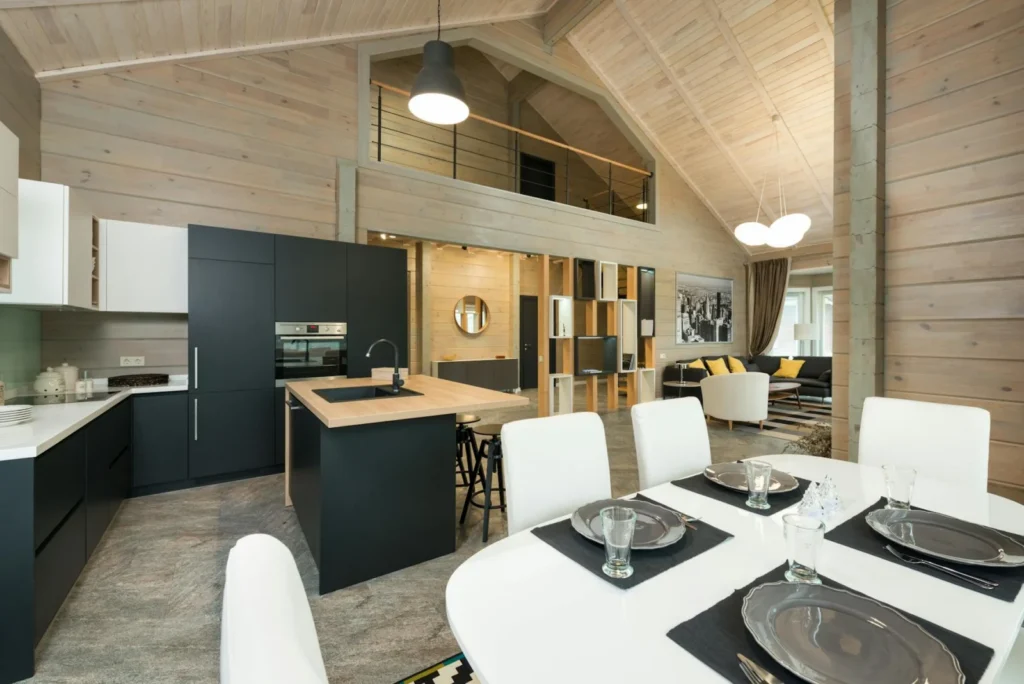
The open‑plan concept isn’t just a trend; it’s rooted in the Nordic tradition of making the most of limited daylight during long winters. By removing walls between the kitchen and living area, you allow natural light to cascade across the entire zone, creating a light‑filled interior that feels larger and more inviting. According to a 2025 report by the Nordic Architecture Council, homes with open kitchen‑living layouts see a 12% increase in perceived space and a 9% reduction in heating costs, thanks to better air circulation and reduced surface area for heat loss.
Core Elements of the Design
- Neutral color palette: Soft whites, cool grays, and muted blues reflect light and set a tranquil backdrop.
- Natural wood accents: Light‑tone oak or pine flooring and exposed beams add warmth without overwhelming the minimalist aesthetic.
- Large, strategically placed windows: Floor‑to‑ceiling glazing on the south‑facing wall captures maximum daylight and supports passive solar heating.
- Integrated storage: Built‑in cabinets that flow from the kitchen island into the living area keep clutter hidden, reinforcing the clean lines typical of Scandinavian interiors.
- Multifunctional furniture: Low‑profile sofas, modular seating, and a dining table that doubles as a workspace encourage adaptable use of the space.
Design Strategies for a Cohesive Open Layout

Creating harmony between the kitchen and living room involves careful planning of sight lines, material continuity, and functional zones.
Table of Contents
- Why an Open Kitchen‑Living Room Works in Scandinavian Homes
- Core Elements of the Design
- Design Strategies for a Cohesive Open Layout
- 1. Use a Consistent Flooring Material
- 2. Define Zones with Subtle Changes
- 3. Maximize Natural Light with Window Placement
- 4. Choose Minimalist, Functional Fixtures
- Integrating Sustainable Features
- Real‑World Case Study: The Linder Family Home
- Common Pitfalls and How to Avoid Them
- 1. Overloading the Space with Furniture
- 2. Ignoring Acoustic Comfort
- 3. Neglecting Proper Ventilation
- Step‑by‑Step Guide to Designing Your Own Open Kitchen‑Living Room
- Frequently Asked Questions
- Is an open kitchen suitable for small families?
- Do I need to sacrifice storage by removing walls?
- How can I keep the space warm during winter?
- Looking Ahead: The Future of Open Scandinavian Living
1. Use a Consistent Flooring Material
A single flooring type—preferably a light‑toned hardwood or sustainably sourced bamboo—ties the two areas together visually. This continuity also supports the Scandinavian emphasis on natural materials, reinforcing the connection to the outdoors.
2. Define Zones with Subtle Changes
Rather than erecting walls, employ subtle cues such as a change in ceiling height, a low railing, or a contrasting rug to demarcate the cooking area from the lounging zone. The Open‑Floor Scandinavian House Plans showcase how a slight step-up in the kitchen island can create a visual break while maintaining flow.
3. Maximize Natural Light with Window Placement
Position the main window wall to face south (in the Northern Hemisphere) and incorporate skylights where possible. The 2026 Energy Efficiency Index by the European Commission notes that homes employing strategic glazing achieve up to 15% lower energy consumption for heating.
4. Choose Minimalist, Functional Fixtures
Simple, matte‑finished hardware, recessed lighting, and hidden appliances keep the visual clutter low. This aligns with the minimalist Scandinavian aesthetic while supporting an uncluttered, airy environment.
Integrating Sustainable Features
Scandinavian design isn’t just about aesthetics; it’s also a philosophy of sustainability. Incorporating energy‑saving features into the open kitchen‑living room design can dramatically lower your carbon footprint.
- Passive solar design: Orient the open space to capture winter sun while using overhangs to block summer heat.
- Solar‑integrated lighting: LED fixtures paired with photovoltaic panels reduce electricity demand.
- Smart home controls: Automated shading and temperature sensors maintain comfort without constant manual adjustment.
For a comprehensive guide on marrying passive design with modern convenience, read Scandinavian House Plans with Energy‑Saving Features.
Real‑World Case Study: The Linder Family Home
Located in a suburban neighborhood of Oslo, the Linder family commissioned an open kitchen and living room that reflects the core tenets of Nordic living. The design featured a 20‑foot kitchen island that also serves as a casual dining bar, a low‑profile sectional sofa in muted gray, and a large, triple‑pane window overlooking a birch forest. By installing a heat‑recovering ventilation system, the home achieved a 10% reduction in annual heating costs, according to the family’s utility data from 2025.
Key takeaways from the Linder project include:
- Using a single color scheme throughout the open space creates visual cohesion.
- Integrating built‑in storage beneath the island prevents visual clutter.
- Strategic window placement maximizes daylight, reducing the need for artificial lighting during daylight hours.
Common Pitfalls and How to Avoid Them
While the open kitchen‑living room design offers many advantages, certain mistakes can undermine its potential.
1. Overloading the Space with Furniture
Too many pieces can block sight lines and make the area feel cramped. Stick to essential, multifunctional furniture and keep the floor clear.
2. Ignoring Acoustic Comfort
Open spaces can amplify noise from cooking or entertainment. Incorporate soft textiles—such as rugs, cushions, and curtains—to absorb sound, and consider acoustic ceiling panels if the room feels too echoey.
3. Neglecting Proper Ventilation
Cooking fumes can quickly spread throughout the living area. A high‑efficiency range hood with a ducted exhaust system is essential to maintain indoor air quality.
Step‑by‑Step Guide to Designing Your Own Open Kitchen‑Living Room
- Assess the Site Orientation: Determine the best wall for large windows to capture natural light.
- Create a Floor Plan: Sketch the layout, ensuring the kitchen island is centered and the living area flows around it.
- Select Materials: Choose light‑toned wood flooring, neutral wall paints, and sustainable cabinetry.
- Plan Lighting Layers: Combine ambient recessed lighting, task lighting over the island, and accent lighting for artwork.
- Integrate Smart Controls: Install thermostats, automated blinds, and energy‑monitoring devices.
- Finalize Furniture: Opt for low‑profile, modular pieces that can be rearranged as needs change.
- Review Energy Performance: Use tools like the Passive House Planning Package (PHPP) to model heating demand and adjust design elements accordingly.
Frequently Asked Questions
Is an open kitchen suitable for small families?
Absolutely. The openness promotes supervision of children while cooking, and the flexible layout can adapt as the family grows.
Do I need to sacrifice storage by removing walls?
No. Built‑in cabinetry, pantry walls that double as room dividers, and under‑counter drawers maintain ample storage without disrupting the open feel.
How can I keep the space warm during winter?
Combine large south‑facing windows with thermal curtains, a high‑efficiency heat pump, and radiant floor heating to ensure comfort without excessive energy use.
Looking Ahead: The Future of Open Scandinavian Living
As climate concerns intensify, the integration of energy‑smart solutions into open layouts will become standard. Expect to see more homes employing hybrid ventilation systems, AI‑driven lighting, and even biophilic design elements—like indoor green walls—to enhance wellbeing while preserving the light‑filled, minimalist charm that defines Scandinavian interiors.
For inspiration on merging minimalist aesthetics with large windows, explore Minimalist Scandinavian House Plans with Large Windows. And if you’re curious about how a full blueprint‑plus‑materials package can streamline your build, read Why a Full Blueprint‑Plus‑Materials Package Matters.
By embracing the principles of light, sustainability, and flexibility, a Scandinavian open kitchen and living room design can transform any home into a serene, energy‑efficient sanctuary that adapts to modern lifestyles.