Designing a Scandinavian‑inspired home in the United States means more than just sleek lines, large windows, and muted palettes; you must also navigate a maze of building codes that protect safety, energy efficiency, and comfort. From the International Residential Code (IRC) to state‑specific insulation R‑value mandates, understanding these requirements early on prevents costly redesigns and keeps your project on track. For example, integrating passive‑house principles while staying within local fire‑rating rules can be challenging, but with the right strategy you’ll achieve that airy, energy‑smart feel every homeowner craves. Explore how to blend minimalist Scandinavian aesthetics with U.S. compliance, and see how Scandinavian house plans with energy‑saving features exemplify a code‑friendly approach.
Why Building Codes Matter for Scandinavian Designs
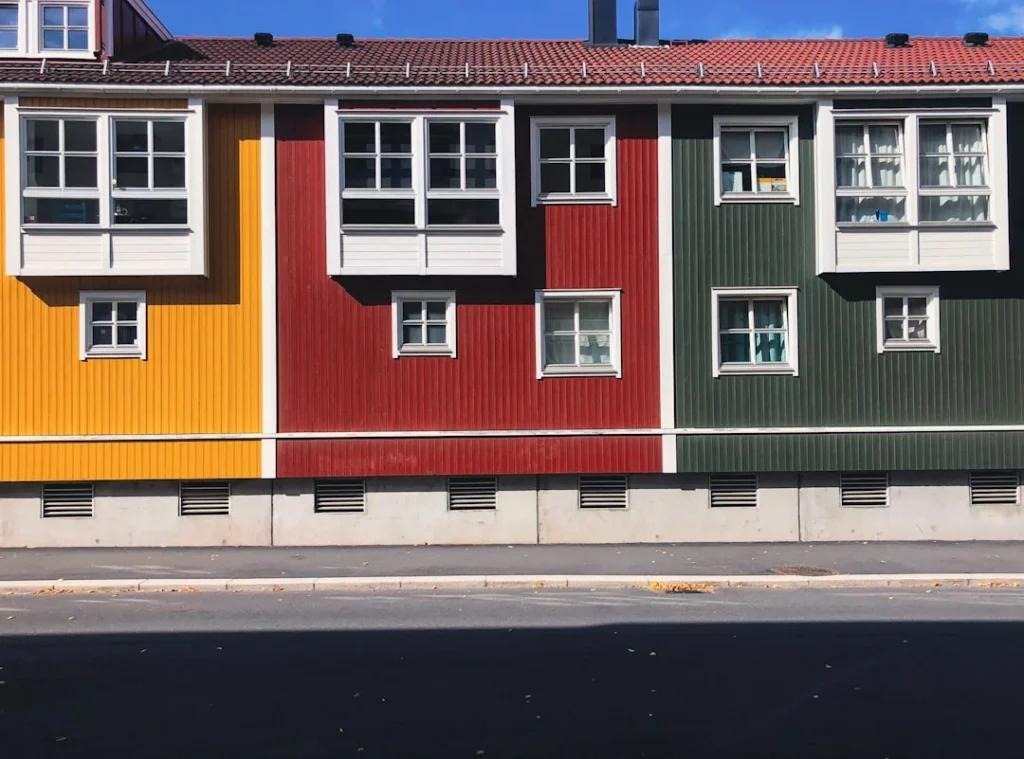
Scandinavian architecture is celebrated for its emphasis on natural light, sustainable materials, and thermal comfort. In the U.S., however, each jurisdiction enforces a set of mandatory standards that affect every design decision—from roof slope to window glazing. Ignoring these rules can lead to delayed permits, fines, or even forced demolition. Moreover, compliance guarantees that the home performs as intended in diverse climates, ensuring the low‑energy heating and cooling that define Nordic living.
Core Code Categories to Review

1. Structural and Load Requirements
The IRC (2021 edition, still the baseline in 2026) specifies minimum live loads for residential floors (40 psf) and roof assemblies (20 psf). Scandinavian homes often feature open‑plan interiors and large overhangs; engineers must verify that engineered wood joists or steel frames meet these criteria, especially when designing a two‑story Scandinavian house with a balcony. Snow load calculations are critical in northern states, where the American Society of Civil Engineers (ASCE) 7‑16 standard recommends design loads up to 60 psf in the Upper Midwest.
Table of Contents
- Why Building Codes Matter for Scandinavian Designs
- Core Code Categories to Review
- 1. Structural and Load Requirements
- 2. Energy Efficiency and Insulation
- 3. Fire Safety and Materials
- 4. Mechanical, Electrical, and Plumbing (MEP)
- 5. Accessibility and Egress
- Integrating Passive‑House Standards with U.S. Codes
- State‑Specific Nuances: A Quick Guide
- Minnesota (Climate Zone 7)
- Washington (Coastal Zone)
- Colorado (High Altitude)
- Practical Steps to Ensure Code Compliance
- Common Pitfalls and How to Avoid Them
- FAQ – Your Code Questions Answered
- Do I need a separate permit for a passive‑house certification?
- Can I use reclaimed timber for exterior cladding?
- What’s the minimum R‑value for basement walls in a cold climate?
- How do I handle egress requirements for a home with a flat roof?
- Bringing It All Together: A Seamless Blend of Style and Safety
2. Energy Efficiency and Insulation
Energy‑efficiency codes have tightened dramatically. The 2024 International Energy Conservation Code (IECC) now requires a minimum wall R‑value of R‑30 in climate zones 5‑8 and R‑38 in zone 7 (e.g., Minnesota, Michigan). For roofs, R‑49 is the new norm in colder regions. Scandinavian designs rely on continuous insulation and high‑performance glazing; triple‑pane windows with a solar heat gain coefficient (SHGC) below 0.25 are often needed to meet the IECC and the Passive House Institute US (PHIUS) criteria.
3. Fire Safety and Materials
Fire‑rating requirements differ by state but generally call for Class A fire‑rated exterior walls and interior finishes with a flame spread index ≤ 25. This impacts the choice of wood cladding, a staple in Nordic homes. Using fire‑treated cedar or adding a gypsum sheathing layer can satisfy the open kitchen and living‑room design without sacrificing the warm, natural aesthetic.
4. Mechanical, Electrical, and Plumbing (MEP)
Ventilation is a cornerstone of passive‑house standards. The 2023 ASHRAE 62.2‑2023 ventilation code mandates a continuous mechanical ventilation system with heat recovery (HRV) for homes under 2,500 sq ft in colder climates. Installing an HRV not only complies with the code but also preserves indoor air quality—a hallmark of Scandinavian living.
5. Accessibility and Egress
Even single‑family homes must provide at least one safe egress window in each bedroom, meeting the IRC’s minimum opening area of 5.7 sq ft and a maximum sill height of 44 in. For homes with basements—like the Scandinavian style house plans with basement—the code also requires a daylight‑well or exterior stair that complies with the International Building Code (IBC) for emergency egress.
Integrating Passive‑House Standards with U.S. Codes
Passive‑house design pushes energy consumption to below 15 kWh/m² per year, a goal that aligns well with the modern U.S. push for net‑zero housing. However, achieving both sets of standards simultaneously can be a tightrope walk. Here’s a practical roadmap:
- Start with a thermal model. Software like PHPP (Passive House Planning Package) lets you simulate heat loss and gain, ensuring you meet both IECC and PHIUS thresholds.
- Select high‑performance envelope components. Triple‑pane, low‑emissivity windows, insulated concrete forms (ICFs), and exterior rigid foam are common in Scandinavian projects and satisfy R‑value demands.
- Incorporate renewable energy early. The 2024 IECC allows solar photovoltaic systems to offset a portion of the heating load, making it easier to qualify for the Passive House “no‑energy‑use” benchmark.
- Document every material. Submit manufacturer certifications for insulation, windows, and fire‑rated cladding as part of the permit set.
State‑Specific Nuances: A Quick Guide
While the IRC and IECC provide a national baseline, states often add their own layers. Below are three examples where Scandinavian design must adapt:
Minnesota (Climate Zone 7)
Minimum wall insulation climbs to R‑38, and roof assemblies must achieve R‑49. Minnesota also adopts a stricter snow‑load factor of 55 psf, influencing roof pitch—most Scandinavian homes in this region opt for a 30° to 35° slope to shed snow effectively.
Washington (Coastal Zone)
Seismic considerations dominate. The Washington State Building Code (WSBC) requires a seismic design category D for most residential projects, mandating shear walls or moment‑frame connections, which can be subtly integrated behind exposed timber panels to keep the Nordic look intact.
Colorado (High Altitude)
Because of intense UV exposure, the state enforces a higher solar heat gain coefficient for glazing. Selecting low‑U, high‑SHGC windows for south‑facing facades helps meet both energy and daylighting goals without compromising the bright, airy interiors typical of Scandinavian homes.
Practical Steps to Ensure Code Compliance
- Engage a local architect early. A professional familiar with both Scandinavian aesthetics and local jurisdictional nuances can draft plans that satisfy the IRC, IECC, and any state additions.
- Conduct a pre‑permit review. Many municipalities offer a “code‑check” service where officials review drawings before formal submission, catching issues like egress window size or fire‑rating mismatches.
- Choose certified products. Look for ENERGY STAR® insulation, NFPA‑certified fire‑rated cladding, and windows listed in the National Fenestration Rating Council (NFRC) database.
- Document compliance. Maintain a compliance log that records each code reference, product certification, and inspection outcome—useful for future resale and warranty claims.
Common Pitfalls and How to Avoid Them
- Underestimating insulation depth. A common mistake is assuming that exterior siding alone provides sufficient R‑value. Layering rigid foam under siding, as shown in the minimalist Scandinavian house plans with large windows, ensures you meet the required envelope performance.
- Oversized windows without proper glazing. While floor‑to‑ceiling glass is a hallmark of Nordic design, neglecting low‑U, triple‑pane glazing can spike heating loads, violating the IECC’s heating‑capacity limits.
- Ignoring local wind‑load criteria. Coastal states may require additional bracing for large glass panels; integrating concealed steel reinforcement within the framing can preserve the clean look.
- Skipping the HRV requirement. Without a heat‑recovery ventilator, you risk failing both ASHRAE 62.2 and passive‑house ventilation standards, leading to moisture issues and reduced indoor comfort.
FAQ – Your Code Questions Answered
Do I need a separate permit for a passive‑house certification?
Not typically. The passive‑house label is a performance certification, not a building code. However, you must demonstrate that the building meets or exceeds the prescriptive requirements of the IRC and IECC, which often involves submitting the PHPP report alongside standard permit drawings.
Can I use reclaimed timber for exterior cladding?
Yes, provided the wood is treated to meet the fire‑rating (Class A) and structural standards set by the local building department. Many Scandinavian projects incorporate reclaimed pine, adding authenticity while staying within code.
What’s the minimum R‑value for basement walls in a cold climate?
In climate zone 7, the 2024 IECC requires R‑20 for interior basement walls and R‑30 for exterior walls, unless you use insulated concrete forms, which can achieve higher effective R‑values.
How do I handle egress requirements for a home with a flat roof?
Flat roofs must include a secondary means of egress—typically a stairwell or ladder that leads to a safe landing. The opening must meet the IRC’s minimum 5.7 sq ft area and 44‑in height restriction.
Bringing It All Together: A Seamless Blend of Style and Safety
When you align Scandinavian minimalism with U.S. building codes, the result is a home that feels both timeless and future‑ready. By respecting structural load tables, meeting rigorous insulation standards, and integrating modern ventilation, you honor the Nordic commitment to comfort while satisfying American safety expectations. Whether you’re drafting plans for a compact cabin or a sprawling two‑story residence, the key is to treat compliance as a design partner, not an afterthought. This approach ensures that your Scandinavian sanctuary will stand the test of time—both aesthetically and legally.
Ready to explore code‑friendly Scandinavian designs? Check out Key Features of Modern Scandinavian Home Design for inspiration that balances light, sustainability, and flexible living within every regulation.