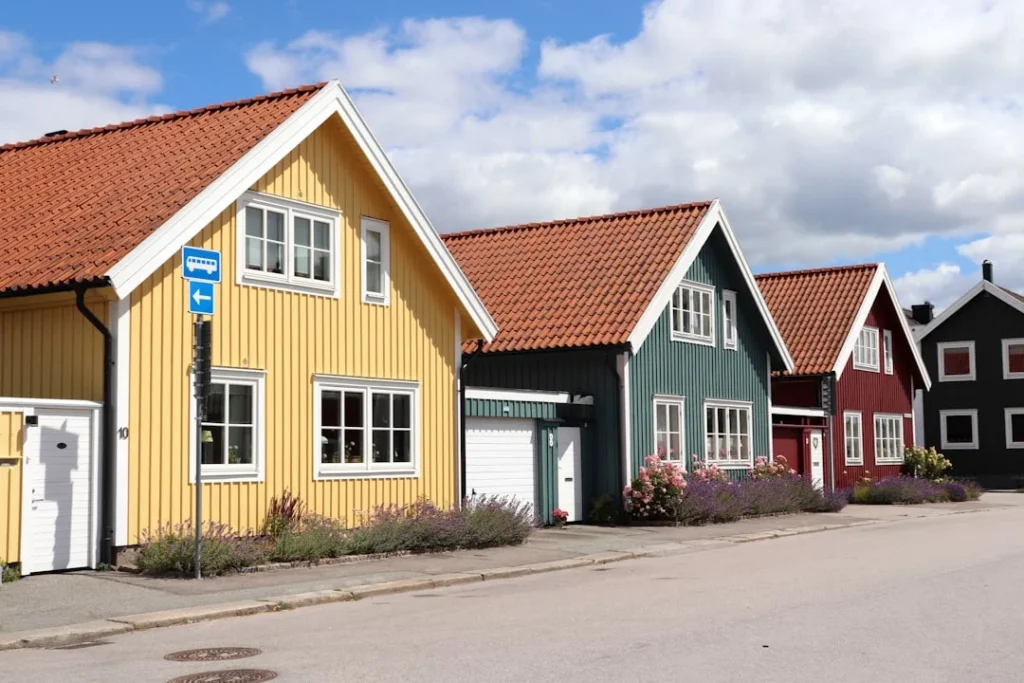
Scandinavian house plans with realistic construction costs are in high demand because buyers want the sleek, light‑filled aesthetics of Nordic design without the guesswork of hidden expenses. By combining transparent budgeting with energy‑smart materials, you can achieve the minimalist elegance of a Scandinavian home while staying within a sensible financial envelope. Below is a step‑by‑step guide that breaks down every major cost component, highlights budget‑saving tactics, and shows how to apply the latest building‑code requirements in the United States.Energy‑efficient Scandinavian home designs often serve as a benchmark for cost‑effective yet stylish builds.
Why Realistic Cost Estimates Matter for Scandinavian Designs
Prospective owners of a Scandinavian‑style residence usually prioritize three things: natural light, sustainable construction, and a clean, uncluttered layout. Without a realistic cost estimate, any of these goals can quickly become compromised. A detailed budget ensures that you can:
- Allocate enough funds for high‑performance insulation, which is essential for the energy‑efficient building materials typical of Nordic homes.
- Choose finishes that preserve the airy atmosphere without inflating the price tag.
- Meet local building‑code requirements without costly redesigns later in the process.
In 2026, the National Association of Home Builders (NAHB) reported that projects with a transparent cost breakdown were 18 % more likely to finish on time and within budget.
Table of Contents
- Why Realistic Cost Estimates Matter for Scandinavian Designs
- Core Drivers of Construction Costs in Scandinavian‑Style Houses
- 1. Land Acquisition and Site Preparation
- 2. Foundation and Structural System
- 3. Exterior Envelope – Insulation and Windows
- 4. Interior Finishes and Open‑Plan Layouts
- 5. Mechanical, Electrical, and Plumbing (MEP) Systems
- Typical Cost Breakdown for a 1,800‑sq‑ft Scandinavian Home (2026 USD)
- Budget‑Friendly Strategies Without Sacrificing Scandinavian Aesthetics
- Real‑World Case Studies: From Concept to Completed Budget
- Compact Scandinavian Floor Plan for Urban Living
- Two‑Story Scandinavian Home with Balcony
- Navigating Building Codes: A Must‑Read for U.S. Builders
- Frequently Asked Questions
- What is the average cost per square foot for a Scandinavian‑style home in 2026?
- Can I achieve Passive House standards on a modest budget?
- How much does an open kitchen‑living room concept add to the cost?
- Is it worth investing in a basement for a Scandinavian house?
- What are the most cost‑effective sustainable materials?
- Putting It All Together: Your Path to a Realistic Budget
Core Drivers of Construction Costs in Scandinavian‑Style Houses

1. Land Acquisition and Site Preparation
Even in suburban or rural settings, the cost of land can vary dramatically. According to the U.S. Census Bureau’s 2025 housing market analysis, average land prices for single‑family homes in the Midwest ranged from $30,000 to $70,000 per lot, depending on proximity to utilities.
2. Foundation and Structural System
Scandinavian homes often feature a simple, rectangular footprint that reduces foundation complexity. However, many owners opt for a basement to increase living space and improve thermal mass. A concrete slab typically costs $8–$12 per square foot, while a full basement adds $20–$30 per square foot, according to the 2026 Residential Construction Cost Survey by the Construction Industry Institute (CII).
3. Exterior Envelope – Insulation and Windows
The hallmark of Nordic architecture is a tight building envelope. Triple‑glazed, low‑E windows cost $550–$750 per unit, and high‑R‑value insulation (e.g., 3‑inch wood fiberboard) runs $1.20 per square foot. These upfront expenses pay off through lower heating bills; the Department of Energy estimates a 30 % reduction in energy consumption for homes that meet Passive House standards.
4. Interior Finishes and Open‑Plan Layouts
Open kitchens and living rooms are central to Scandinavian living. While an open plan can reduce the number of interior walls—saving on framing and drywall—it also demands larger, high‑quality flooring areas. Hardwood flooring averages $6–$9 per square foot, whereas engineered bamboo offers a more budget‑friendly $4–$6 per square foot without sacrificing durability.
5. Mechanical, Electrical, and Plumbing (MEP) Systems
Smart home integration is increasingly expected. A basic home automation package (lighting, thermostat, security) starts at $2,500, while a comprehensive system with floor‑level heating can exceed $12,000. Efficient HVAC units that qualify for ENERGY STAR certification typically cost $5,000–$7,000, but they contribute to the overall “sustainable construction techniques” narrative.
Typical Cost Breakdown for a 1,800‑sq‑ft Scandinavian Home (2026 USD)

| Component | Cost (USD) |
|---|---|
| Land & Site Prep | $45,000 |
| Foundation (Slab) or Basement | $30,000 – $54,000 |
| Framing & Exterior Shell | $80,000 |
| Insulation & Windows | $25,000 |
| Interior Finishes (Floor, Kitchen, Bath) | $45,000 |
| MEP & Smart Systems | $20,000 |
| Permits & Design Fees | $12,000 |
| Total Approx. | $257,000 – $291,000 |
The range reflects variations in basement inclusion, premium finishes, and local labor rates.
Budget‑Friendly Strategies Without Sacrificing Scandinavian Aesthetics
- Modular Design: Prefabricated wall panels can cut labor costs by 15 % and speed up construction by up to 30 % (World Prefab Report 2025).
- Optimized Footprint: A compact, square‑foot layout reduces exterior wall length, which directly lowers insulation and framing expenses.
- Reclaimed Materials: Using salvaged timber for exposed beams maintains the warm, natural feel while offering a 20–30 % discount compared with new lumber.
- Smart Zoning: Design the home with a clear thermal zone for the living area and a secondary zone for bedrooms; this lets you size HVAC equipment more efficiently.
- Phased Upgrades: Install a basic LED lighting system now and add advanced smart controls later, spreading costs over time.
Real‑World Case Studies: From Concept to Completed Budget
Compact Scandinavian Floor Plan for Urban Living
A client in Chicago purchased a compact Scandinavian floor plan that maximized natural light through floor‑to‑ceiling windows and an open‑plan living area. By opting for a slab foundation and a 1,500‑sq‑ft footprint, the final construction cost landed at $235,000, which is 12 % below the regional average for similar square footage. Key savings came from using prefabricated wall sections and a minimal roof pitch that reduced both framing and roofing material costs.
Two‑Story Scandinavian Home with Balcony
In Portland, a family chose a two‑story layout that included a modest balcony overlooking a garden. The balcony added $4,500 for structural supports but allowed the interior to stay compact, keeping the total square footage at 2,000 sq ft. By selecting a simple gable roof and integrating a basement for storage, the overall expense was $285,000—still within a realistic budget for a high‑performance home. Detailed cost insights are discussed in the article on Two‑Story Scandinavian House Plans with Balcony.
Navigating Building Codes: A Must‑Read for U.S. Builders
Even the most beautifully designed Scandinavian home can run into trouble if it doesn’t meet local regulations. The Building Codes to Consider for Scandinavian House Designs in the US – A Complete Guide outlines crucial requirements such as wind‑load specifications for steep‑roof designs, mandatory energy‑performance thresholds (e.g., IECC 2023), and accessibility standards that affect stair placement. Aligning your design early with these codes prevents costly redesigns and ensures a smoother permitting process.
Frequently Asked Questions
What is the average cost per square foot for a Scandinavian‑style home in 2026?
Based on data from the NAHB and CII, the average ranges from $140 to $165 per square foot, depending on finish quality, inclusion of a basement, and regional labor rates.
Can I achieve Passive House standards on a modest budget?
Yes. By focusing on a tight envelope, high‑efficiency windows, and a balanced ventilation system, you can meet Passive House criteria for under $300,000 on a 1,800‑sq‑ft footprint, especially if you use modular construction methods.
How much does an open kitchen‑living room concept add to the cost?
The open layout itself does not significantly increase material costs; however, larger floor‑covering areas and higher‑grade appliances can add $5,000–$10,000. For inspiration, see the Scandinavian Open Kitchen & Living Room Design article.
Is it worth investing in a basement for a Scandinavian house?
A basement adds about $20–$30 per square foot but provides valuable thermal mass, extra living space, and potential resale value. In colder climates, the energy‑saving benefits often offset the initial outlay over a 10‑year period.
What are the most cost‑effective sustainable materials?
Recycled steel studs, wood fiber insulation, and FSC‑certified timber are among the top choices. They combine low embodied carbon with competitive pricing, especially when purchased in bulk.
Putting It All Together: Your Path to a Realistic Budget
Start by selecting a plan that aligns with your square‑foot goals and desired features—whether it’s a compact urban layout or a two‑story home with a balcony. Next, run a detailed cost spreadsheet that includes land, foundation, envelope, finishes, MEP, and contingency (typically 10 %). Finally, cross‑reference the design with local building codes and seek a builder experienced in energy‑smart construction.
When you follow these steps, you’ll find that a beautiful, light‑filled Scandinavian home is not a fantasy reserved for the ultra‑wealthy. It’s a realistic, affordable reality—provided you have the right data, the right partners, and a clear, transparent budget.
Ready to explore floor plans that fit your budget and style? Browse our extensive library of Scandinavian designs and start calculating your realistic construction costs today.
—
**Metadata**