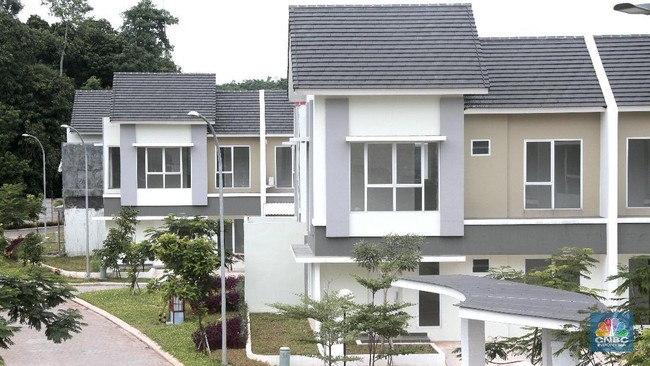
Designing a Scandinavian style home can feel like translating the serene, light‑filled rooms of a Nordic cabin into a modern, urban setting, and the best way to start is by embracing simplicity, functionality, and sustainability from day one. By following expert tips for designing a Scandinavian style home—such as prioritizing natural light, choosing muted color palettes, and integrating energy‑efficient design—you’ll create a space that feels both cozy and timeless without unnecessary excess. For a concrete example, the 4‑Bedroom Scandinavian Modern Home Layout showcases how open‑concept living and smart insulation work hand‑in‑hand.
Why Scandinavian Design Still Resonates in 2026

In the past year, the International Interior Design Association reported a 23 % rise in demand for minimalist interiors across North America, driven largely by the pandemic‑induced desire for calm, clutter‑free environments. The hallmark of Scandinavian architecture—light, airy spaces paired with functional furniture—meets this demand perfectly. Moreover, the region’s longstanding emphasis on sustainable living aligns with today’s climate‑aware building codes, making the style not just aesthetically pleasing but also future‑proof.
Core Principles to Anchor Your Design

1. Harness Natural Light
Scandinavian homes historically maximize daylight to combat long, dark winters. Install large, unobstructed windows, preferably floor‑to‑ceiling, and avoid heavy drapery. If privacy is a concern, opt for sheer linen curtains that diffuse rather than block light. According to a 2025 study by the Nordic Building Research Council, homes with high daylight factor scores experience a 15 % reduction in artificial lighting energy consumption.
Table of Contents
- Why Scandinavian Design Still Resonates in 2026
- Core Principles to Anchor Your Design
- 1. Harness Natural Light
- 2. Embrace a Neutral Color Palette
- 3. Prioritize Energy‑Efficient Design
- 4. Choose Nordic Materials
- 5. Keep the Layout Open and Functional
- Step‑by‑Step Guide: From Concept to Completion
- Common Mistakes to Avoid
- Real‑World Cost Insight
- FAQ – Quick Answers for Aspiring Homeowners
- What floor‑to‑ceiling window size is ideal?
- Can I incorporate a balcony without breaking the minimalist aesthetic?
- How do I choose lighting fixtures?
- Is a basement compatible with Scandinavian design?
- Bringing It All Together: A Sample Design Narrative
- Conclusion: Your Path to Nordic‑Inspired Living
2. Embrace a Neutral Color Palette
The muted tones of whites, greys, and soft blues serve as a blank canvas for texture and natural materials. Paint walls in cool whites or light greys, and use warm wood tones for flooring and furniture to add depth without overwhelming the senses. This subtle contrast is a hallmark of minimalist interiors, letting the architecture speak for itself.
3. Prioritize Energy‑Efficient Design
Energy efficiency isn’t an afterthought in Scandinavian design; it’s built into the walls. Incorporate high‑performance insulation, triple‑glazed windows, and airtight construction to achieve a low heating demand. The Energy‑Efficient Scandinavian Home Designs guide highlights how modern HVAC systems, combined with passive solar gain, can cut heating bills by up to 30 % compared with conventional homes.
4. Choose Nordic Materials
Natural wood, stone, and wool are staples in Nordic architecture. Light oak or pine flooring not only reflects light but also ages gracefully, adding a lived‑in feel. Pair these with wool throws, linen upholstery, and simple ceramic tiles to keep the space tactile and inviting.
5. Keep the Layout Open and Functional
Open‑concept floor plans are central to creating a spacious atmosphere. By removing unnecessary walls, you allow light to flow freely and make the home feel larger than its footprint. The Scandinavian Duplex House Plan Layout Ideas illustrates how a two‑level design can still maintain an uninterrupted visual flow between living, dining, and kitchen areas.
Step‑by‑Step Guide: From Concept to Completion
- Define Your Lifestyle Needs – List how many bedrooms, bathrooms, and workspaces you require. For small families, a compact plan like the Compact Scandinavian Floor Plans for Urban Living offers a smart use of space without sacrificing comfort.
- Sketch an Open‑Concept Layout – Draw a simple bubble diagram connecting living, kitchen, and dining zones. Aim for a flow that mirrors the natural movement of light.
- Select Sustainable Materials – Source FSC‑certified timber, low‑VOC paints, and recycled insulation. These choices support the sustainable living ethos and often qualify for green building incentives.
- Integrate Smart Home Technology – Install programmable thermostats, LED lighting with daylight sensors, and energy‑monitoring panels. These tools enhance the energy‑smart narrative of Scandinavian homes.
- Plan for Future Flexibility – Include multi‑purpose rooms that can transition from a home office to a guest bedroom. Flexible spaces keep the home adaptable to changing family dynamics.
Common Mistakes to Avoid
- Over‑Decorating – Too many accessories dilute the clean lines that define Scandinavian design. Stick to a few statement pieces.
- Ignoring Local Climate – While large windows are iconic, they must be paired with proper shading and high‑performance glazing to prevent heat loss in colder regions.
- Choosing Low‑Quality Wood – Cheaper plywood may warp over time, breaking the seamless aesthetic. Invest in solid, sustainably sourced timber.
- Neglecting Building Codes – In the US, certain Scandinavian features (e.g., low‑slope roofs) must meet specific regional codes. Consult the Building Codes to Consider for Scandinavian House Designs for compliance.
Real‑World Cost Insight
Budget‑savvy homeowners often wonder how much a Scandinavian‑styled build truly costs. The Realistic Construction Costs for Scandinavian House Plans report indicates an average construction cost of $210 per square foot in 2025, slightly above the national average due to premium materials and energy‑efficient systems. However, owners typically recoup 20‑30 % of these costs over ten years through reduced utility bills and higher resale value.
FAQ – Quick Answers for Aspiring Homeowners
What floor‑to‑ceiling window size is ideal?
A window spanning at least 70 % of the wall height ensures optimal daylight penetration while maintaining structural integrity.
Can I incorporate a balcony without breaking the minimalist aesthetic?
Yes—simple railings made of powder‑coated steel or wood blend seamlessly with the clean lines. The Two‑Story Scandinavian House Plans with Balcony demonstrate how a modest balcony can enhance outdoor living while staying true to the style.
How do I choose lighting fixtures?
Opt for fixtures with a matte finish, such as brushed steel or natural wood, and incorporate dimmable LEDs to adjust ambiance throughout the day.
Is a basement compatible with Scandinavian design?
Absolutely—if you treat the basement as an extension of the main floor with light‑colored walls, polished concrete floors, and ample lighting. See the Scandinavian Style House Plans with Basement for inspiration.
Bringing It All Together: A Sample Design Narrative
Imagine stepping into a home where the front door opens onto a bright foyer with a light oak bench and a wool rug. To the left, floor‑to‑ceiling windows flood the living area with natural light, highlighting the sleek, low‑profile sofa and a reclaimed‑wood coffee table. The open‑concept kitchen features white shaker cabinets, a stone countertop, and integrated appliances that blend into the cabinetry, preserving the minimalist feel. A subtle glass partition separates the dining space, maintaining visual continuity while offering acoustic privacy.
Upstairs, a master suite boasts a tranquil palette of soft greys and white linens, with a sliding door that reveals a private balcony overlooking a snowy landscape—perfect for sipping coffee at sunrise. The attached garage, designed with the same minimalist language, provides seamless access to the home, echoing the Scandinavian House Plans with Attached Garage concept of cohesive design.
Conclusion: Your Path to Nordic‑Inspired Living
Designing a Scandinavian style home is less about copying a look and more about adopting a philosophy of light, functionality, and sustainable comfort. By following these expert tips—maximizing daylight, selecting Nordic materials, ensuring energy efficiency, and maintaining an open‑concept layout—you’ll create a residence that feels both timeless and forward‑thinking. Start with a clear plan, respect local building regulations, and let the natural world shape every decision. The result? A home that welcomes you with warmth, simplicity, and an unmistakable sense of calm.