Posted in

Efficient Scandinavian Home Designs: Space‑Saving Secrets for Modern Living

Looking for a Scandinavian home design that makes every square foot count? The answer lies in clever space planning that blends minimalism, natural light, and energy‑smart solutions—all while preserving the warm, inviting feel of Nordic living. By prioritizing open‑concept layouts, built‑in storage, and sustainable materials, you can create a home that feels larger, more functional, and environmentally responsible. For a deeper dive into eco‑friendly material choices, check out our Sustainable Scandinavian House Plans Guide, which also covers passive‑house standards and cost insights.

Why Efficient Space Planning Is the Core of Scandinavian Design
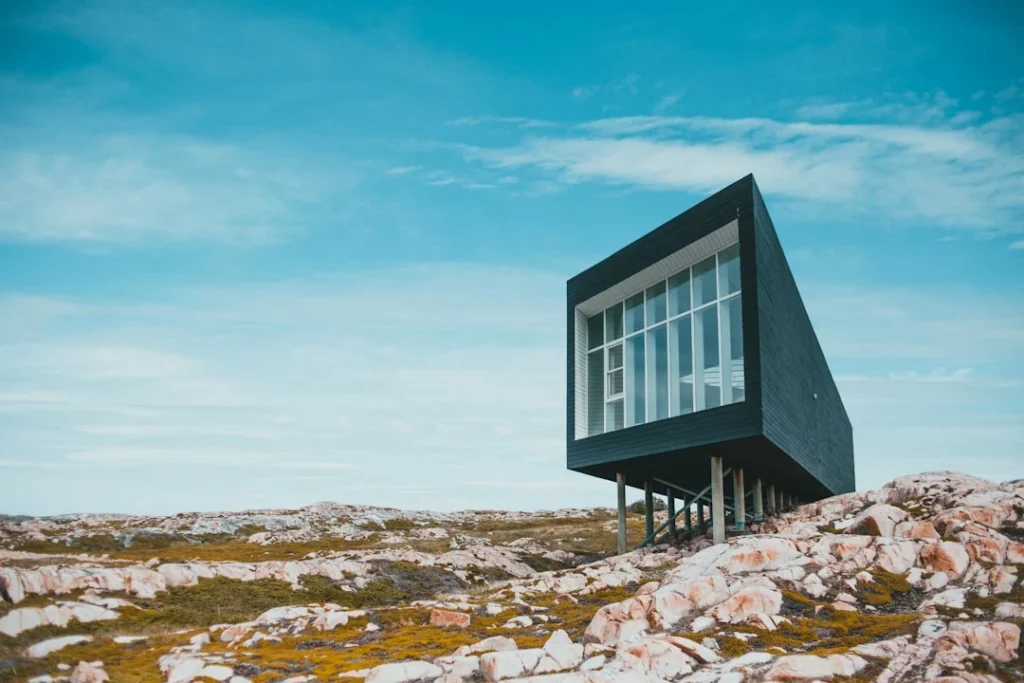
Why Efficient Space Planning Is the Core of Scandinavian Design

Scandinavian architecture has long championed the idea that “less is more.” This philosophy translates into floor plans where each element serves multiple purposes, reducing clutter and enhancing flow. Modern homeowners increasingly seek these designs because they offer:

  • Maximum natural daylight that reduces reliance on artificial lighting.
  • Energy‑efficient insulation and window placement that meet passive‑house standards.
  • Minimalist interiors that promote mental clarity and ease of maintenance.

When space is planned thoughtfully, the home feels airy and spacious—even on modest footprints—making it ideal for both urban apartments and countryside retreats.

Key Elements That Amplify Space in Scandinavian Homes

1. Open‑Concept Layouts

An open‑concept layout eliminates unnecessary walls, allowing sightlines to stretch across the living, dining, and kitchen areas. This continuity not only boosts perceived size but also encourages family interaction—a hallmark of Nordic culture.

2. Built‑In, Multi‑Functional Furniture

Think of a bench with hidden drawers, a kitchen island that doubles as a homework station, or a lofted bedroom with integrated wardrobes. These pieces reduce the need for freestanding furniture, freeing up floor space.

3. Light‑Reflective Surfaces

White walls, pale wood floors, and matte finishes bounce daylight deeper into rooms. Adding large, strategically placed windows—often floor‑to‑ceiling—creates a seamless indoor‑outdoor connection that visually expands the interior.

4. Smart Storage Solutions

From under‑stair closets to wall‑mounted shelving that follows the roofline, smart storage keeps belongings out of sight, preserving the clean lines essential to minimalist aesthetics.

5. Energy‑Efficient Materials

Materials such as cross‑laminated timber, cellulose insulation, and triple‑glazed windows not only meet sustainability goals but also help regulate temperature, reducing the need for bulky heating units that can dominate a room’s design.

Practical Steps to Implement Efficient Space Planning

  1. Start with a Zoning Sketch – Divide your floor plan into functional zones (living, cooking, sleeping) before adding walls. This ensures flow and reduces wasted space.
  2. Prioritize Natural Light – Place primary living spaces on the south‑facing side of the house where sunlight is strongest. Use skylights in central areas to bring daylight to the core of the home.
  3. Integrate Multi‑Use Furniture Early – Choose pieces that can transform, such as a dining table that folds into the wall or a sofa with a hidden pull‑out bed.
  4. Design Vertical Storage – Take advantage of ceiling height with lofted closets or shelving that runs from floor to ceiling.
  5. Apply Passive‑House Principles – Insulate to a minimum R‑value of 40 (walls) and install airtight windows to reduce heat loss, as recommended by the Passive House Institute (passivehouse.com).

Case Study: Compact Urban Living with Scandinavian Flair

Consider a 900‑sq‑ft apartment in downtown Copenhagen that needed to accommodate a young couple working from home. By employing a compact floor plan, the designers achieved:

  • A combined living‑work area with a sliding partition that creates privacy without sacrificing daylight.
  • Floor‑to‑ceiling windows on the east side, maximizing morning sun for the home office.
  • Built‑in cabinetry that follows the sloping ceiling, offering storage without intruding on the open floor.

This approach mirrors the strategies outlined in our Compact Scandinavian Floor Plans for Urban Living guide, proving that even limited square footage can feel expansive when space is planned intelligently.

Common Mistakes and How to Avoid Them

Even seasoned designers can slip into habits that negate the benefits of efficient space planning. Watch out for these pitfalls:

  • Over‑Partitioning – Adding too many walls or half‑walls fragments the layout and blocks light.
  • Ignoring Circulation Paths – Poorly placed furniture can create bottlenecks, making rooms feel cramped.
  • Choosing Decorative Over Functional – Excess ornamental pieces add visual noise; prioritize items that serve a purpose.
  • Neglecting Thermal Performance – Skipping proper insulation or high‑performance windows leads to energy waste and uncomfortable indoor temperatures.

Budgeting for Space‑Smart Scandinavian Homes

Efficient design doesn’t mean breaking the bank, but understanding cost drivers is crucial. According to the Realistic Construction Costs for Scandinavian House Plans report, the average cost per square foot for a well‑insulated, open‑concept Scandinavian home in 2026 ranges from $180 to $250, depending on material selection and regional labor rates.

Key budgeting tips:

  1. Invest in Quality Insulation First – This yields long‑term savings on heating and cooling.
  2. Standardize Window Sizes – Custom windows drive up costs; using a few standard dimensions can reduce expenses.
  3. Source Local Timber – Locally harvested wood cuts transportation fees and supports sustainable forestry.
  4. Plan for Prefabricated Modules – Prefab wall panels and floor systems speed up construction and lower labor costs.

Integrating Modern Technology Without Compromising Aesthetics

Smart home devices—such as thermostats, lighting controls, and occupancy sensors—can seamlessly blend into a minimalist Scandinavian interior. Hide wiring behind plaster or within wooden beams, and choose devices with neutral finishes to maintain the clean visual language.

FAQ

What is the ideal ceiling height for a Scandinavian open‑concept home?

While traditional homes feature 8‑foot ceilings, modern Scandinavian designs often opt for 9‑10 feet to accentuate vertical space and improve air circulation.

Can I apply Scandinavian space‑planning principles to a farmhouse?

Absolutely. The same concepts of open zones, built‑in storage, and natural material palettes work well in rural settings, creating a harmonious blend of farmhouse warmth and Nordic efficiency.

How does passive‑house design affect space planning?

Passive‑house standards require airtight construction and continuous insulation, which influences wall thickness and window placement. Incorporating these requirements early in the layout stage prevents later redesigns.

Do I need a professional architect for an efficient Scandinavian floor plan?

While DIY plans can work for simple layouts, a qualified architect ensures compliance with building codes—see our Building Codes to Consider for Scandinavian House Designs in the US guide for detailed requirements.

Final Thoughts: Marrying Form, Function, and Sustainability

Scandinavian home designs that emphasize efficient space planning deliver more than aesthetic appeal—they provide a sustainable, adaptable living environment that responds to modern lifestyle demands. By embracing open‑concept zones, multi‑functional furniture, and energy‑efficient materials, homeowners can achieve a spacious feel without inflating the footprint. Whether you’re renovating a city apartment or building a countryside retreat, the principles outlined here will help you craft a home that feels both luxurious and responsibly minimal.

Explore additional inspiration in our Energy‑Efficient Scandinavian Home Designs article, and discover how a two‑story layout with a balcony can add both vertical space and outdoor connectivity in the Two‑Story Scandinavian House Plans with Balcony guide.

Leave a Reply

Your email address will not be published. Required fields are marked *