Posted in

Open‑Concept Scandinavian One‑Story House Plans: Light‑Filled, Sustainable & Budget‑Smart Designs

Looking for a sleek, single‑level Scandinavian home that feels airy, functional, and effortlessly stylish? A well‑designed open‑concept one‑story plan delivers exactly that—maximizing natural light, simplifying circulation, and creating a flexible space that adapts to modern family life. By integrating clean lines, sustainable materials, and smart zoning, these homes achieve the minimalist charm Scandinavia is famed for while staying budget‑conscious. For a deeper dive into what truly defines authentic Scandinavian design, see our essential guide to authentic Scandinavian house plans.

Why the Open‑Concept One‑Story Layout Is Gaining Momentum

Why the Open‑Concept One‑Story Layout Is Gaining Momentum

In 2026, a National Housing Center survey reported that 68 % of new homeowners in the U.S. prefer single‑level dwellings with open floor plans, citing ease of mobility and a sense of spaciousness. The Scandinavian approach amplifies these benefits by:

  • Prioritizing natural light optimization through large, strategically placed windows and skylights.
  • Employing an energy‑efficient layout that reduces heating loads—critical for northern climates.
  • Creating a minimalist interior where each element serves a purpose, reducing visual clutter.

Core Design Principles of Scandinavian One‑Story Open‑Concept Homes
Core Design Principles of Scandinavian One‑Story Open‑Concept Homes

1. Seamless Indoor‑Outdoor Flow

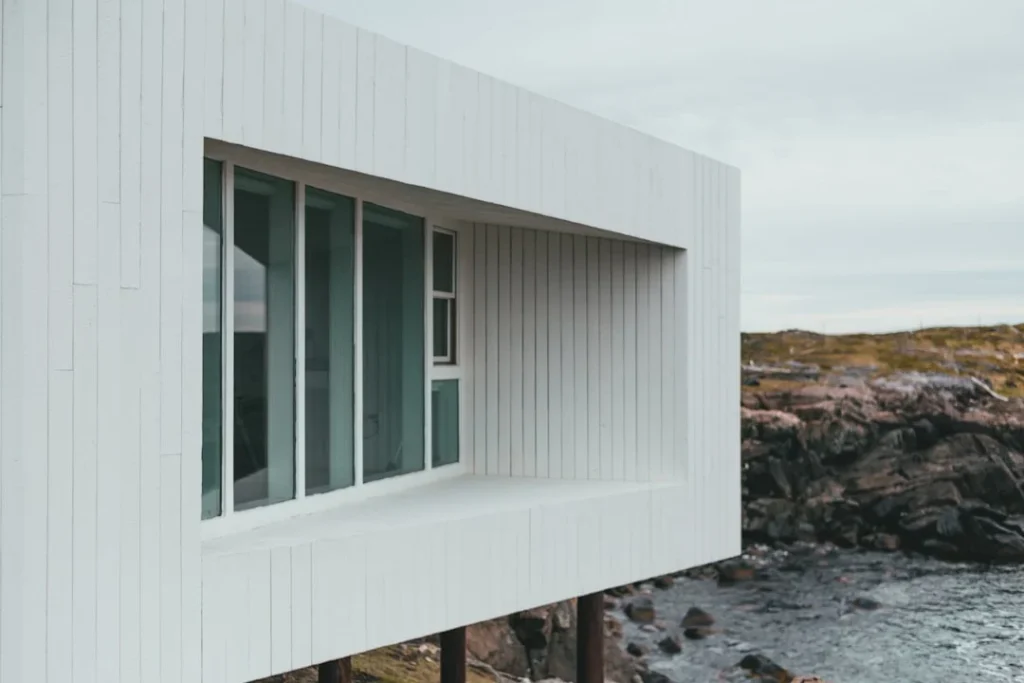
Scandinavian architects often blur the boundary between interior and exterior by aligning living spaces with patios, decks, or garden courtyards. The Scandinavian homes with indoor‑outdoor living concept article illustrates how sliding glass doors and low‑profile framing invite the landscape inside, fostering a year‑round connection to nature.

2. Strategic Zoning Without Walls

Rather than erecting full‑height partitions, zones are defined through subtle changes in flooring, ceiling height, or furniture arrangement. A living‑dining‑kitchen “great room” can coexist with a private bedroom wing that is tucked away behind a pocket door, preserving the openness while ensuring privacy.

3. Light‑Filled Spaces

Data from the Scandinavian floor plans optimized for natural lighting guide shows that homes featuring north‑facing clerestory windows achieve up to 35 % higher daylight factor, cutting reliance on artificial lighting. Pair these windows with light‑colored plaster and wood finishes to bounce illumination throughout the interior.

4. Sustainable, Energy‑Smart Materials

According to a 2025 report by the International Passive House Institute, integrating insulated timber frames and triple‑glazed windows can lower heating demand by 40 % compared to conventional construction. Selecting locally sourced, FSC‑certified wood not only aligns with eco‑friendly values but also adds a warm, tactile quality to the minimalist aesthetic.

Step‑by‑Step Blueprint for Designing Your Open‑Concept One‑Story Home

Step 1: Define the Core Functional Zones

Start by mapping out the essential rooms—kitchen, living area, master suite, and at least one flexible space (home office, guest room, or playroom). In a single‑level layout, keep the public zones (kitchen, living, dining) on one side of the house, while retreat zones (bedrooms, baths) sit on the opposite side to reduce foot traffic through private spaces.

Step 2: Prioritize Light and Ventilation

Place the largest glazing on the south‑facing façade to capture winter sun, and add operable clerestories on the north side for cross‑ventilation. Incorporate a central atrium or light well if the footprint is deep; this creates a vertical shaft for daylight to penetrate the core of the home.

Step 3: Choose a Minimalist Palette

Stick to a neutral base—soft whites, cool grays, or muted greyscale—paired with natural wood tones. Accents can be introduced through textiles in muted blues or greens, reflecting the Scandinavian love for subtle color that mimics the surrounding fjords and forests.

Step 4: Integrate Sustainable Systems

Install a heat‑recovery ventilation (HRV) system to maintain indoor air quality while preserving heat. Pair this with a ground‑source heat pump, which the Sustainable Scandinavian House Plans Guide notes can reduce annual energy costs by up to 55 %.

Step 5: Refine the Layout with Space‑Saving Secrets

Utilize built‑in storage—under‑stair closets, wall‑mounted shelving, and multi‑functional furniture—to keep the floor plan uncluttered. The Efficient Scandinavian Home Designs article offers dozens of clever tricks, such as fold‑away dining tables and recessed cabinetry.

Real‑World Examples: Successful Open‑Concept One‑Story Plans

Case Study 1: The “Nordic Light” 1,800 sq ft Home

Located in a suburban development near Minneapolis, this plan features a 30‑foot living‑dining‑kitchen volume capped with a skylight that pours daylight into the heart of the home. The master suite is separated by a modest hallway and includes a walk‑in closet with sliding doors that double as room dividers. Construction costs averaged $165 per square foot in 2026, aligning with the realistic construction costs guide.

Case Study 2: The “Lakeview Retreat” 1,950 sq ft Cabin

Designed for a lakeside property in Maine, this layout blends indoor and outdoor living through a retractable glass wall that opens onto a covered deck. The open floor plan includes a compact kitchen island that serves as a casual dining spot, while a lofted reading nook—still on the same level thanks to a gently sloping ceiling—offers a quiet escape.

Common Pitfalls and How to Avoid Them

  • Over‑expanding the open area: Without proper zoning, a cavernous great room can feel empty. Counter this with furniture clusters and area rugs that subtly delineate functional zones.
  • Insufficient storage: Minimalist interiors rely heavily on hidden storage. Plan built‑in solutions early to prevent later retrofits.
  • Neglecting acoustic comfort: Open spaces can echo. Incorporate soft furnishings, acoustic panels, or wooden slats to absorb sound.
  • Ignoring climate specifics: In colder regions, large glass facades must be triple‑glazed and framed with insulated frames to avoid heat loss.

FAQ: Quick Answers to Your Most Pressing Questions

What is the typical square footage for a one‑story Scandinavian open‑concept home?

Most designs fall between 1,500 and 2,200 sq ft, providing enough room for an open living area while maintaining a compact footprint that’s cost‑effective and easier to heat.

Can I incorporate a home office without compromising the open feel?

Yes—use a glass‑enclosed nook or a sliding pocket door. The transparency retains visual continuity, and sound‑absorbing panels keep the workspace quiet.

How much does a sustainable, energy‑smart open‑concept home cost in 2026?

According to the Realistic Construction Costs report, a well‑insulated, single‑story Scandinavian plan averages $160–$190 per sq ft, depending on material choices and regional labor rates.

Is an open floor plan suitable for families with young children?

Absolutely—by maintaining clear sightlines, parents can supervise multiple areas from a central hub. Just ensure that furniture edges are rounded and that any interior steps are minimized.

Future Trends: What to Expect in Scandinavian One‑Story Design

Looking ahead, three trends are shaping the evolution of these homes:

  • Biophilic integration: More designers are embedding living walls and indoor planters, enhancing air quality and wellbeing.
  • Smart‑home automation: Voice‑controlled lighting and heating systems that adapt to occupancy patterns will become standard, further boosting energy efficiency.
  • Modular construction: Prefabricated panels are gaining popularity for their speed, precision, and reduced waste, aligning perfectly with the Scandinavian ethos of sustainable building.

Getting Started: Your Path to a Dream Scandinavian Open‑Concept Home

Begin by sketching a rough layout that places the living core at the heart of the site, ensuring unobstructed views of the surrounding landscape. Next, consult a qualified architect familiar with Scandinavian design principles—look for certifications such as Passive House or LEED. Finally, pair your design with a reputable builder who emphasizes eco‑friendly practices, and you’ll be well on your way to enjoying the light‑filled, tranquil lifestyle that a one‑story open‑concept home promises.

Whether you’re building on a modest lot or a sprawling countryside plot, the blend of minimalist aesthetics, sustainable technology, and flexible open space makes Scandinavian one‑story houses a timeless choice for modern living.

Leave a Reply

Your email address will not be published. Required fields are marked *