
Welcome to your go-to guide on understanding what fascia is on a house. Whether you’re a homeowner, a DIY enthusiast, or simply curious about house construction, you’ve likely noticed the boards that run along the edge of your house’s roof. Those boards, my friends, are called fascia, and they play a crucial role not just in the aesthetics of your home but in its structural integrity as well.
What Exactly Is Fascia on a House?
The term “fascia” comes from the Latin word meaning “band” or “strip.” In the context of a house, fascia refers to the long, straight boards that run along the lower edge of the roof. These boards are mounted at the points where the roof meets the outer walls of the house and are typically made from wood, aluminum, or PVC.
Key Functions of Fascia Boards
- Support for Roof Tiles: Fascia provides a sturdy base to attach the bottom row of roof tiles or shingles.
- Protects the Roof Structure: It prevents moisture from entering the roof and wall structures.
- Base for Gutters: It is often used to support the gutter system, channeling water away from the roof and house.

Photo by Jeremy Bezanger on Unsplash - Aesthetic Appeal: Provides a smooth, even appearance along the roof’s edge.
The Different Materials Used for Fascia
Fascia boards can be made from various materials, each offering different benefits and challenges. Here’s a quick breakdown:
| Material | Pros | Cons |
|---|---|---|
| Wood | Natural look, easy to paint | Prone to rot, needs regular maintenance |
| Aluminum | Durable, low maintenance | Can be more expensive, may dent |
| PVC | Resistant to rot, minimal maintenance | Less environmentally friendly, can crack in extreme cold |
Installation and Maintenance Tips
Proper installation and maintenance of fascia are crucial to extending its lifespan and ensuring it continues to protect your house effectively. Here are some tips:
- Proper Installation: Ensure that fascia boards are installed correctly and securely to prevent sagging and detachment.
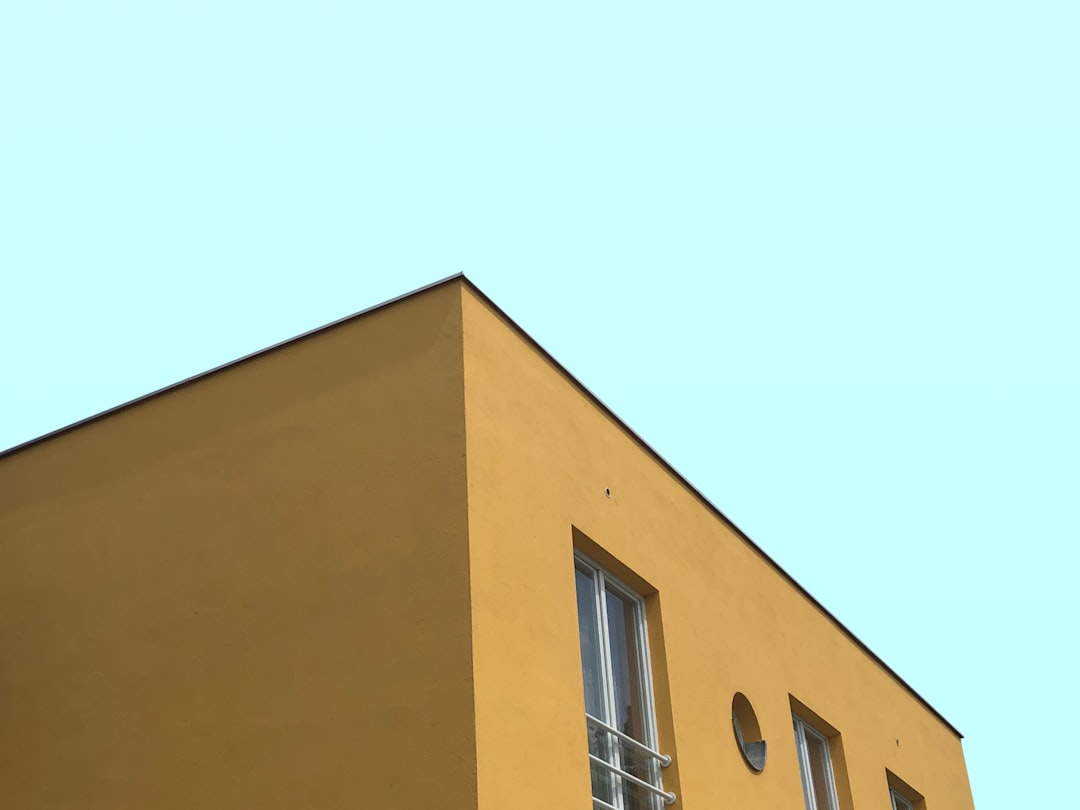
Photo by Kajetan Powolny on Unsplash - Regular Cleaning: Clean your fascia at least twice a year to remove dirt and debris, which can retain moisture.
- Immediate Repairs: Address any signs of damage or rot immediately to prevent further deterioration.
- Paint Maintenance: If your fascia is made of wood, repaint it every few years to seal it from moisture and pests.
Common Issues and Solutions
Despite best efforts, you might encounter some issues with your fascia over time. Here’s what to keep an eye out for and how to deal with these problems:
- Water Damage: Ensure gutters are not clogged and are channelling water correctly.

Photo by Florian Olivo on Unsplash - Pest Infestations: Regularly check for signs of pests and address any gaps or rot that could allow entry.
- Warping and Cracking: This could indicate improper installation or a need for material replacement.
FAQs About Fascia on a House
- 1. How often should fascia be replaced?
- This depends on the material and environmental conditions, but generally, fascia should be inspected every year and replaced every 15-20 years.
- 2. Can I install fascia boards myself?
- Yes, with proper tools and knowledge, DIY installation is possible. However, for best results, particularly at heights, professional installation is recommended.
- 3. What is the cost of replacing fascia?
- Costs vary based on material and labor but expect to spend a few hundred to a few thousand dollars, depending on house size and material choice.
- 4. Can fascia be repaired, or does it need to be replaced?
- Minor damage might be repairable, but extensive rot or structural issues typically require replacement.
- 5. Is there a difference between fascia and soffits?
- Yes, while fascia is the vertical finishing edge connected to the ends of the rafters, soffits are located under the rafters and are not visible from the street.
Conclusion: Protect Your Home with Proper Fascia Care
Fascia might not be the most glamorous part of house design, but it is undoubtedly one of the most crucial. Taking good care of your fascia ensures your home remains beautiful and structurally sound. Remember, while DIY can be tempting, consulting with a professional can ensure that your home’s fascia is up to the mark, safeguarding your investment in the long run. So why wait? Check your home’s fascia today and take the necessary steps to keep it in prime condition!
Ready to get started? Contact a local contractor today to schedule a fascia inspection or installation and ensure your home is protected year-round!





Leave a Comment