Understanding What Uses Gas in Your House: Tips and Insights
Welcome to your go-to guide on understanding what uses gas in a house. Whether you’re moving into a gas-powered home for the first time or looking to optimize your current setup, you’ll find valuable insights and practical advice here to help you manage and reduce your gas consumption effectively.
Key Gas-Powered Appliances and Systems
Most homes use gas for several essential functions. Here’s a breakdown of the most common gas-powered appliances and systems:
Heating Systems: Gas furnaces are popular due to their efficiency and ability to heat homes quickly.
Water Heaters: Gas water heaters are preferred for their faster heating times and lower operational costs compared to electric models.
Stoves and Ovens: Many chefs and homeowners prefer gas stoves for the fine control they offer over cooking temperatures.
Fireplaces: Gas fireplaces provide warmth and ambiance without the mess and effort associated with wood-burning options.
Clothes Dryers: Gas dryers are favored for their speed and cost-effectiveness over electric dryers.
Optimizing the Settings of Your Gas Appliances
Adjusting the settings on your gas appliances can lead to significant savings. Here’s how you can optimize some common appliances:
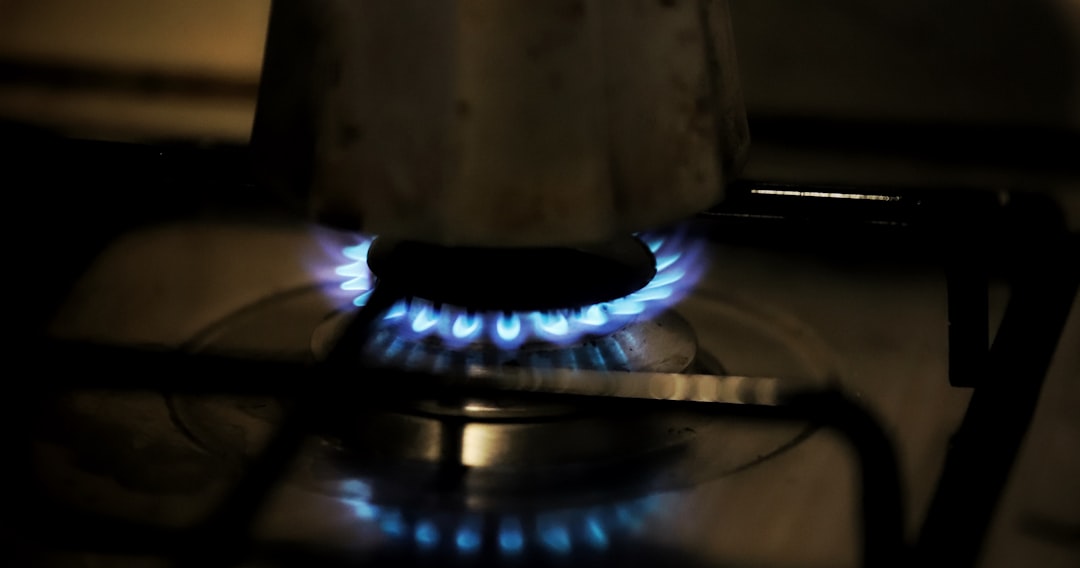
Photo by Bernd 📷 Dittrich on Unsplash
Heating Systems
Lower the Thermostat: Reducing the thermostat setting by even a few degrees can reduce your gas usage significantly.
Regular Maintenance: Ensure your heating system is serviced annually to maintain optimal efficiency.
Upgrade Insulation: Better insulation reduces the need for constant heating, thus saving gas.
Water Heaters
Lower the Temperature: Set your water heater thermostat to 120°F (49°C), which is adequate for most uses.
Insulate Older Units: Adding insulation can reduce standby heat losses by 25-45%, thereby saving on gas.
Cost-Benefit Analysis of Gas vs. Electric Appliances
When deciding between gas and electric appliances, consider both the upfront costs and long-term savings:
Appliance
Gas
Electric
Initial Cost
Higher
Lower
Running Cost
Lower
Higher
Efficiency
Higher
Lower
Environmental Impact
Higher
Lower
Practical Tips for Reducing Gas Usage in Your Home
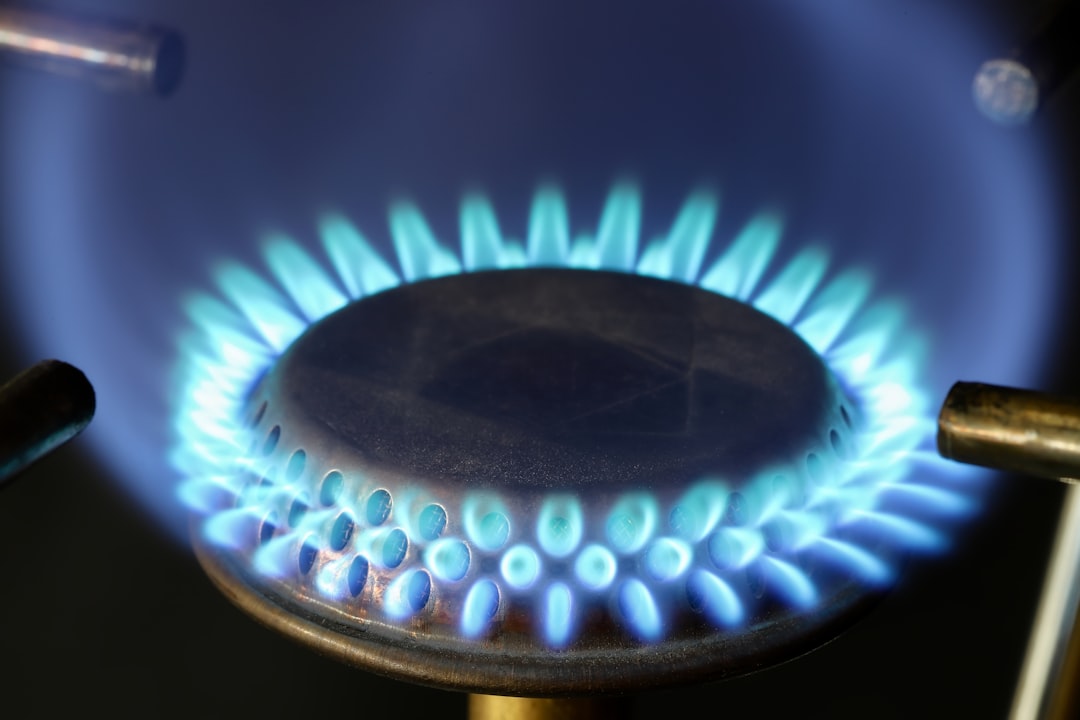
Photo by Henning Wiekhorst on Unsplash
Here are some effective strategies to help you cut down on your gas usage:
Seal and Insulate: Sealing leaks and insulating your home can dramatically reduce heating needs.
Update Appliances: Consider replacing old gas appliances with newer, more efficient models.
Use Smart Thermostats: These devices can optimize heating and cooling schedules based on your lifestyle, further reducing gas usage.
FAQs About What Uses Gas in a House
What is the biggest gas consumer in most homes?
Typically, the heating system uses the most gas, especially in colder climates.
Can I replace my gas appliances with electric?
Yes, but consider the implications for both cost and environmental impact before doing so.
How do I know if my appliances are gas efficient?
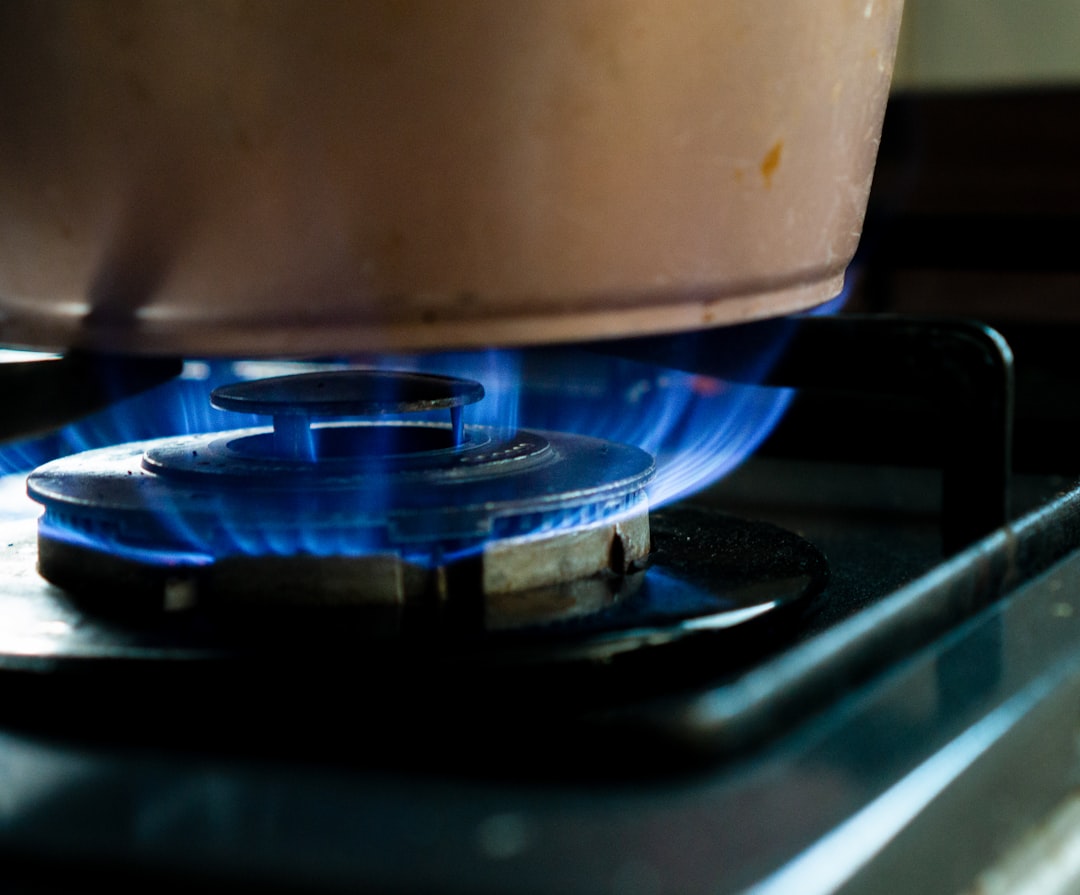
Photo by KWON JUNHO on Unsplash
Look for the ENERGY STAR label, which indicates high efficiency.
Is it cheaper to heat my home with gas or electricity?
Generally, gas is cheaper than electricity for heating homes in many regions.
Can smart thermostats really reduce gas usage?
Yes, by optimizing heating schedules and reducing waste, smart thermostats can significantly cut gas usage.
Conclusion: Maximizing Efficiency and Savings
Understanding what uses gas in a house is the first step towards optimizing your energy consumption and reducing your bills. By adjusting appliance settings, performing regular maintenance, and considering upgrades, you can achieve greater efficiency and sustainability in your home.
Ready to take control of your gas usage? Start today by inspecting your appliances and making small adjustments that lead to big savings. Remember, every step you take not only saves you money but also contributes to a healthier planet.
Take action now and make your home a model of energy efficiency!






Leave a Comment