Can Lightning Strike a House? Understanding and Protecting Your Home
Welcome to our comprehensive guide on understanding and protecting your home from lightning strikes. Whether you’re living in a high-risk area or just curious about this natural phenomenon, you’ve come to the right place. So, grab a cup of coffee, relax, and let’s unravel the mysteries of lightning and home safety together.
Understanding Lightning and Its Impact on Houses
Lightning is a powerful natural electrical discharge caused by imbalances between storm clouds and the Earth or within the clouds themselves. This fascinating yet dangerous phenomenon can, indeed, strike a house. But what really happens when it does?
How Does Lightning Strike a House?
Lightning typically strikes the highest point in an area. In residential zones, this could be a house, especially if it’s taller than surrounding structures. Here’s how a strike typically unfolds:
Step 1: An electrical charge builds up in the cloud.
Step 2: The charge seeks a path to discharge, usually towards the ground.
Step 3: If your house is in its path, it can act as the conduit for this electrical energy.
What Happens When Lightning Strikes Your House?
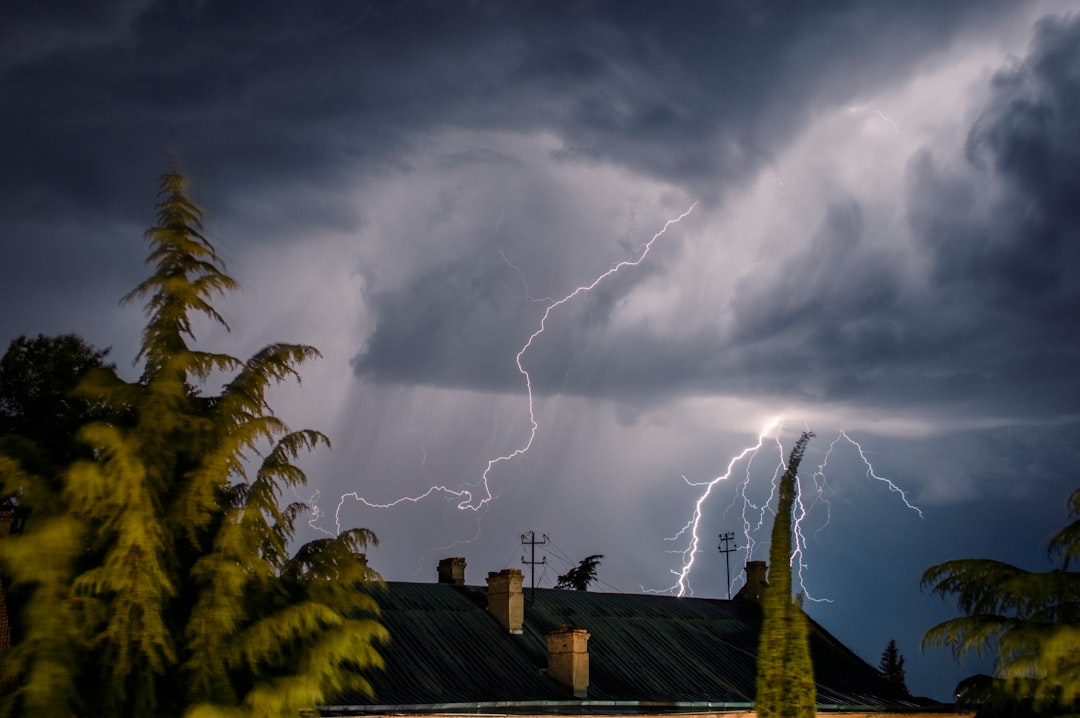
When lightning hits a house, the electricity can travel through the wiring and plumbing, potentially causing significant damage. Here are the common impacts:
Photo by carmen dominguez on Unsplash
Electrical damage: Surges can destroy electronics and electrical appliances.
Structural damage: The high energy can blast holes in walls or roofs.
Fire: The intense heat from a lightning strike can ignite fires, particularly in roofs or attics.
Practical Tips to Protect Your Home from Lightning Strikes
While we can’t control the weather, we can certainly take steps to mitigate the risks. Here are proven strategies to protect your home from the wrath of lightning:
1. Install a Lightning Rod
A lightning rod, or air terminal, is designed to protect a structure from a direct strike. Here’s how it works:
Installation: The rod is mounted on the roof and connected to a series of conductors and grounding electrodes.
Function: It attracts the lightning charge, safely directing it into the ground, away from the structure.
2. Surge Protectors
Photo by Nika Tabatadze on Unsplash
Since lightning can send electrical surges through your home’s wiring, installing surge protectors is a wise move. These devices help shield your electronics and appliances from sudden spikes in voltage.
3. Routine Maintenance
Regularly check and maintain your home’s roofing, plumbing, and electrical systems to ensure they can withstand and safely channel the energy from a potential lightning strike.
Examples of Lightning Protection in Action
Method
Description
Effectiveness
Lightning Rods
Attracts and channels lightning directly to the ground.
High
Surge Protectors
Protects electrical appliances from voltage spikes.
Medium to High
Whole House Surge Protection
Installed at the electrical panel to protect the entire home.
High
Frequently Asked Questions
1. Can lightning strike a house more than once?
Absolutely! There’s no limit to how many times lightning can strike a single location.
2. Are certain types of houses more prone to lightning strikes?
Yes, taller structures or homes in exposed locations are at higher risk.
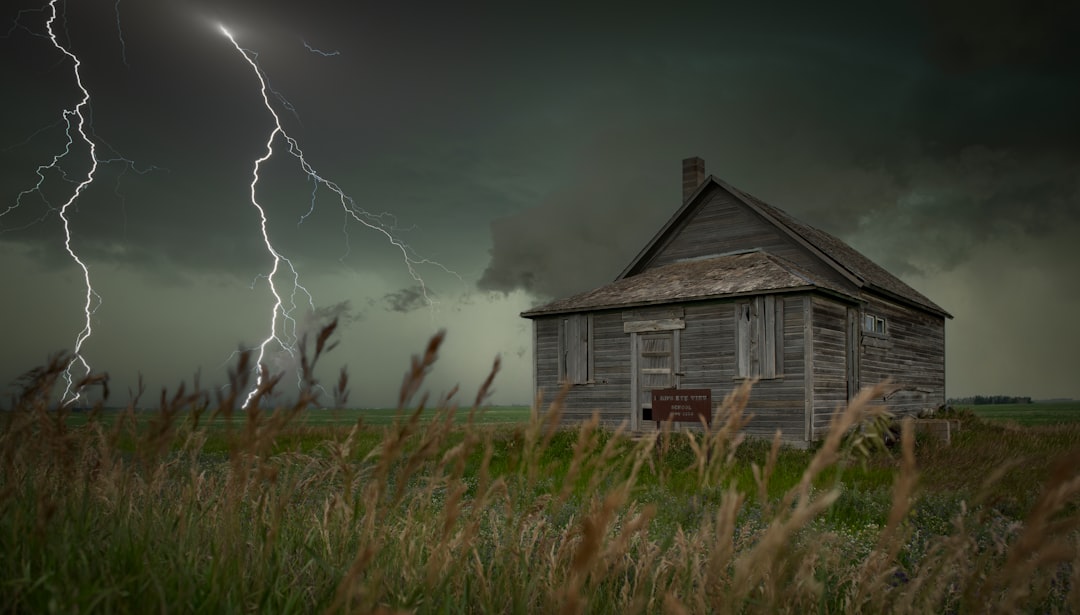
Photo by Greg Johnson on Unsplash
3. What should I do during a lightning storm?
Avoid using wired electronics, stay away from windows, and do not touch water fixtures like baths and faucets.
4. Does car insurance cover lightning damage to a home?
No, car insurance does not cover homes. Homeowner’s insurance, however, often does.
5. How much does it cost to install a lightning protection system?
Costs vary depending on the size and design of your home but typically range from $500 to $2,000.
Conclusion: Safeguarding Your Sanctuary
Understanding how and why lightning strikes can happen to a house empowers you to take proactive steps in protecting your home. Remember, investing in lightning protection is not just about safeguarding your property but also ensuring the safety of your loved ones. Ready to protect your home from lightning? Consult with a professional to find the best lightning protection solutions tailored to your home’s specific needs.
Interested in more safety tips or need professional advice? Contact us today or leave a comment below. Your safety is our priority!







Leave a Comment