
Welcome to the world of home wastewater management! If you’ve ever wondered “do all houses have septic tanks?”, you’re in the right place. We are diving deep into the nuances of residential wastewater systems to clear up any confusion and provide you with a detailed understanding. So, whether you’re a homeowner, a potential homebuyer, or just curious, let’s explore this topic together in a laid-back yet informative way!
The Essentials of Home Wastewater Systems
Before we get into the specifics of septic tanks, it’s important to grasp the basics of home wastewater systems. These systems are crucial for managing everything that goes down your drains and toilets.
Understanding Septic Systems
Septic systems are a type of onsite sewage facility used primarily in rural areas where municipal sewer systems are not available. Here’s a quick breakdown:
- Septic Tank: This is the first stop for wastewater from your home. Solids settle here and begin to decompose.
- Drain Field: After the solids settle, the liquid wastewater moves to a drain field where it is further treated by the soil.
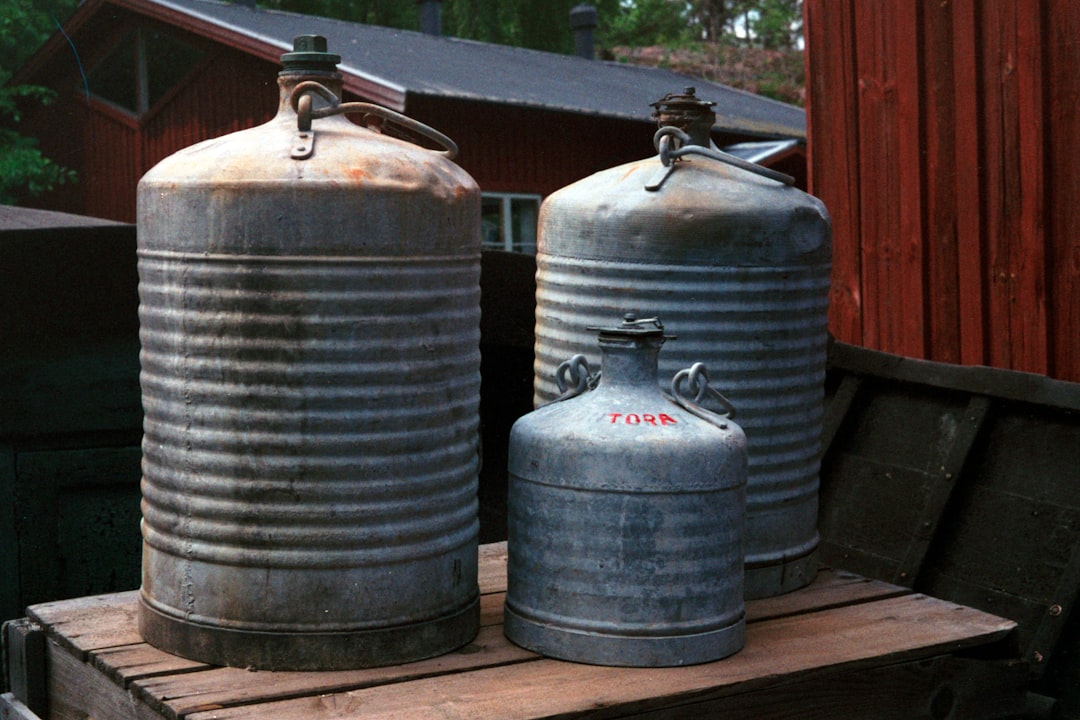
Photo by Scott Evans on Unsplash
Comparison with Sewer Systems
In contrast, urban areas typically use centralized sewer systems that transport home wastewater to a municipal treatment facility. Here’s a basic comparison:
| Feature | Septic System | Sewer System |
|---|---|---|
| Location | Rural | Urban |
| Maintenance | Homeowner’s responsibility | Municipally managed |
| Cost | Higher upfront, lower ongoing | Lower upfront, higher ongoing |
Do All Houses Have Septic Tanks?
Now, to address the central question: do all houses have septic tanks? The answer is no. The type of wastewater system a house uses depends largely on its location.
Factors Determining the Type of System
- Location: Homes in rural areas without access to municipal sewers will likely have septic systems.
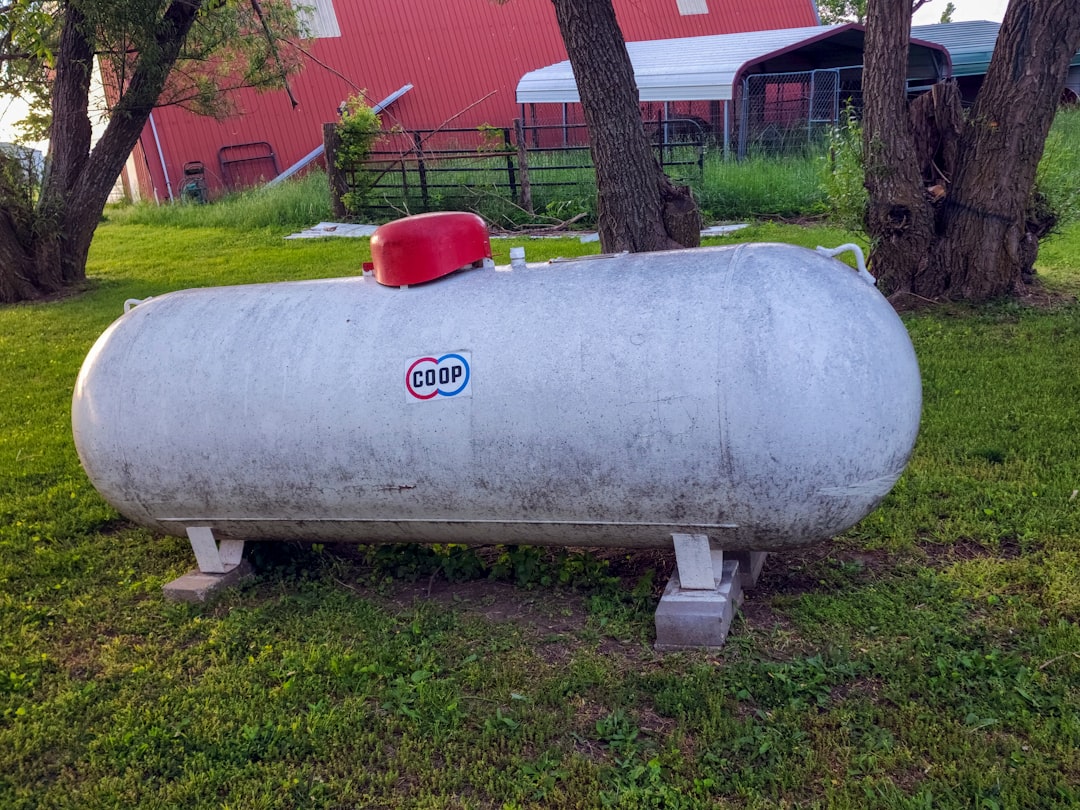
Photo by Randall Mann on Unsplash - Regulations: Local laws and environmental regulations might dictate which system can be used.
- Age of the Home: Older homes in established areas are often connected to sewers, but this is not always the case.
Practical Tips for Septic System Maintenance
If you do have a septic system, maintaining it is crucial to prevent problems and extend its life. Here are some practical tips:
- Regular Inspection and Pumping: Have your system inspected and pumped by a professional every 3-5 years.
- Watch What You Flush: Avoid flushing anything other than toilet paper and human waste.
Photo by JOE Planas on Unsplash - Be Water-wise: Reduce water usage to avoid overloading the system.
FAQs About Septic Systems
Common Questions and Answers
- 1. How long do septic systems last?
- With proper maintenance, a septic system can last 25 to 30 years.
- 2. Can you build a septic system anywhere?
- No, soil type and property size are critical factors in determining suitability.
- 3. What are the signs of a failing septic system?
- Slow drains, bad odors, and wet spots in the yard can all indicate problems.
- 4. Is it more expensive to maintain a septic system compared to being on a municipal sewer?
- Initial costs are higher, but overall maintenance can be more cost-effective.
- 5. Can I install a septic system myself?
- It’s highly recommended to use professional installation services due to the complexity and regulatory requirements.
Conclusion: Understanding Your Home’s Wastewater System
Understanding whether your home has a septic system or is connected to a municipal sewer is crucial for effective property management. If you’re unsure, consider consulting with a local expert to get a lay of the land. Remember, proper maintenance of whichever system your home uses is not just about following regulations – it’s about ensuring the health and safety of your household and the environment.
Ready to learn more or need specific advice on septic systems? Feel free to reach out to professionals or leave us a message. We’re here to help!





Leave a Comment