How Long Do Houses Last? | Lifespan of a Home Explained
Welcome to our deep dive into the longevity of houses! Whether you’re a first-time homeowner, a seasoned investor, or simply curious, understanding the lifespan of a house is crucial. So, how long do houses last? Let’s unpack this layered question with some expert insights and practical advice to ensure your home stands the test of time.
The Lifespan of Different House Types
The longevity of a house can vary significantly based on its construction, materials, and maintenance. Here’s a breakdown of what you can expect:
Wooden frame houses: Typically last about 100 to 150 years, but with meticulous care, some can last even longer.
Brick houses: Known for their durability, these can last 100 to 200 years.
Concrete homes: Extremely resilient, often lasting 200 years or more.
Factors That Influence a House’s Longevity
Construction Materials
The choice of materials has a significant impact on how long houses last. For example:
Material
Expected Lifespan
Wood
100-150 years
Brick
100-200 years
Concrete
200+ years
Environmental Factors
Photo by Tanya Barrow on Unsplash
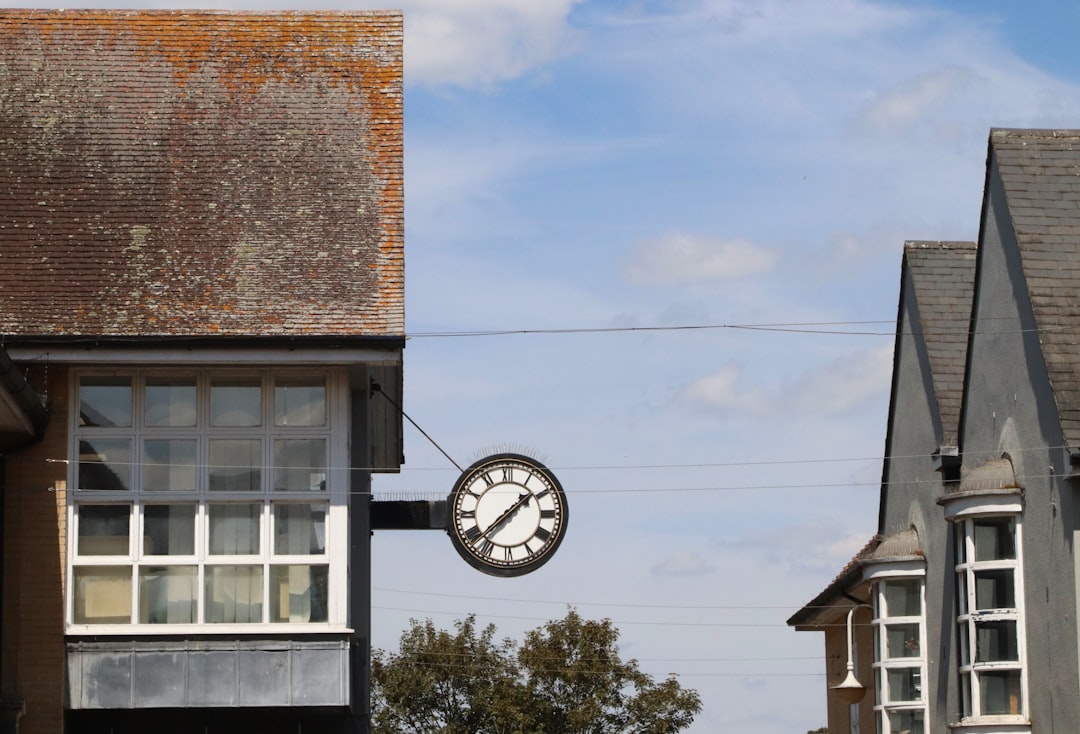
Environmental conditions like climate, weather patterns, and geographical location also play a crucial role. For instance:
Homes in dry climates tend to experience less structural damage over time compared to those in moist, humid areas.
Seismic activity can affect the structural integrity of homes in earthquake-prone areas.
Maintenance and Upkeep
Regular maintenance is key to extending the life of a home. This includes:
Annual inspections and repairs of the roof.
Regular checking and clearing of gutters and drainage systems.
Maintenance of foundational integrity by managing surrounding vegetation and water runoff.
Maximizing Your Home’s Lifespan: Practical Tips
Here are some actionable tips to help your home last longer:
Photo by Dan Meyers on Unsplash
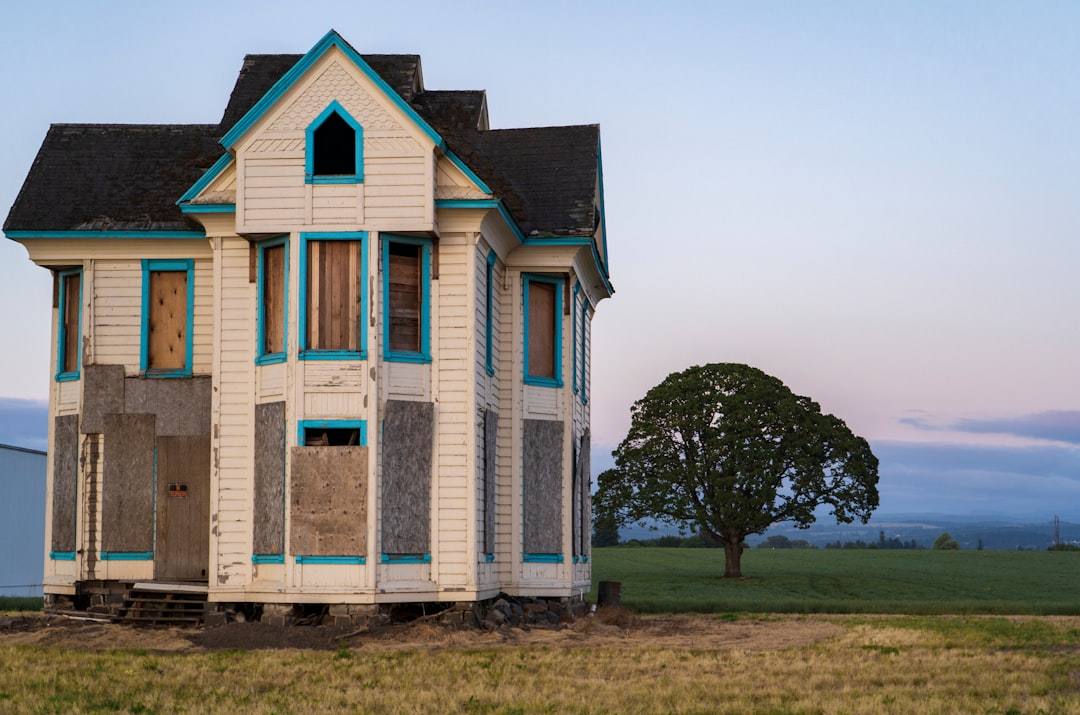
Regular Maintenance: Stick to a routine maintenance schedule to address minor issues before they become major.
Quality Materials: Invest in high-quality materials for any repairs or renovations.
Professional Inspections: Hire professionals for periodic inspections of structural elements.
Real-World Examples
Consider the case of the historic homes in Charleston, South Carolina, many of which have stood for over 150 years due to exemplary maintenance and the use of enduring materials like brick and stone.
FAQs About How Long Houses Last
What is the average lifespan of a residential home?
On average, a well-maintained house can last about 100 to 200 years depending on the construction materials and environmental conditions.
How often should I have my home inspected?
It is advisable to have a professional inspection at least once every two to five years, depending on the age and condition of your home.
Photo by Dmitry Dmitry on Unsplash
Can renovations extend the life of my home?
Absolutely! Upgrades and renovations using quality materials can significantly extend a home’s lifespan.
What are the first signs of structural problems in a house?
Cracks in walls, uneven floors, and doors that won’t close properly can be early signs of structural issues.
Does the location of my house affect its lifespan?
Yes, factors like climate, soil type, and exposure to natural disasters play a significant role in a home’s durability.
Conclusion
Understanding how long houses last is more than just about numbers; it’s about making informed decisions regarding maintenance, renovations, and even initial purchases. Remember, the key to a long-lasting home lies in proactive care and informed choices. Ready to take the next step towards securing the longevity of your home? Consider consulting with a structural expert or a seasoned builder to get tailored advice that suits your home’s specific needs.
Feel free to reach out with any further questions or to share your own experiences in home longevity. Let’s keep our homes standing proud for generations to come!






Leave a Comment