Posted in

Energy‑Star Ready Farmhouse House Plans: Modern Designs That Save Money & Preserve Rustic Charm

Looking for farmhouse house plans that not only capture rustic charm but also meet Energy Star ready design standards? The answer lies in combining classic country architecture with cutting‑edge green building techniques—an approach that slashes utility bills, boosts resale value, and aligns with today’s sustainability goals. By selecting a plan engineered for energy efficiency, you can enjoy the warmth of a farmhouse while living responsibly, and discover how modern farmhouse designs already deliver impressive savings.

Why an Energy Star Ready Farmhouse Is a Smart Investment

Why an Energy Star Ready Farmhouse Is a Smart Investment

Energy Star certification, administered by the U.S. Environmental Protection Agency (EPA) and the Department of Energy (DOE), sets a performance benchmark for homes that consume at least 10% less energy than comparable houses built to code. In 2025, the EPA reported that Energy Star homes used an average of 28% less electricity for heating and cooling than non‑certified homes, translating into $1,800–$2,300 annual savings per household (EPA, 2025). For a farmhouse—traditionally associated with larger footprints and higher heating loads—these savings become even more compelling.

Core Design Elements of an Energy Star Ready Farmhouse
Core Design Elements of an Energy Star Ready Farmhouse

Integrating Energy Star standards into farmhouse plans doesn’t mean compromising on style. Below are the critical design components that marry country aesthetics with high performance.

1. High‑Performance Envelope

  • Insulation: R‑values of at least R‑30 in walls, R‑60 in ceilings, and R‑20 in floors, using spray‑foam or cellulose for airtightness.
  • Windows & Doors: Triple‑pane, low‑E glazing with U‑values ≤0.30 BTU/hr·ft²·°F, often framed in reclaimed wood to maintain farmhouse character.
  • Air Sealing: Continuous air‑barrier systems—such as taped drywall seams and insulated sheathing—prevent drafts without sacrificing the expansive feel of a traditional barn‑style home.

2. Efficient HVAC & Ventilation

Heat pumps, especially cold‑climate models, deliver up to 3.5 heating seasonal performance factor (HSPF) while providing cooling in summer. Coupled with an ENERGY STAR‑rated heat recovery ventilator (HRV), the system supplies fresh air without losing conditioned heat—a perfect match for the open‑plan living rooms of a farmhouse.

3. Solar‑Ready Roof Design

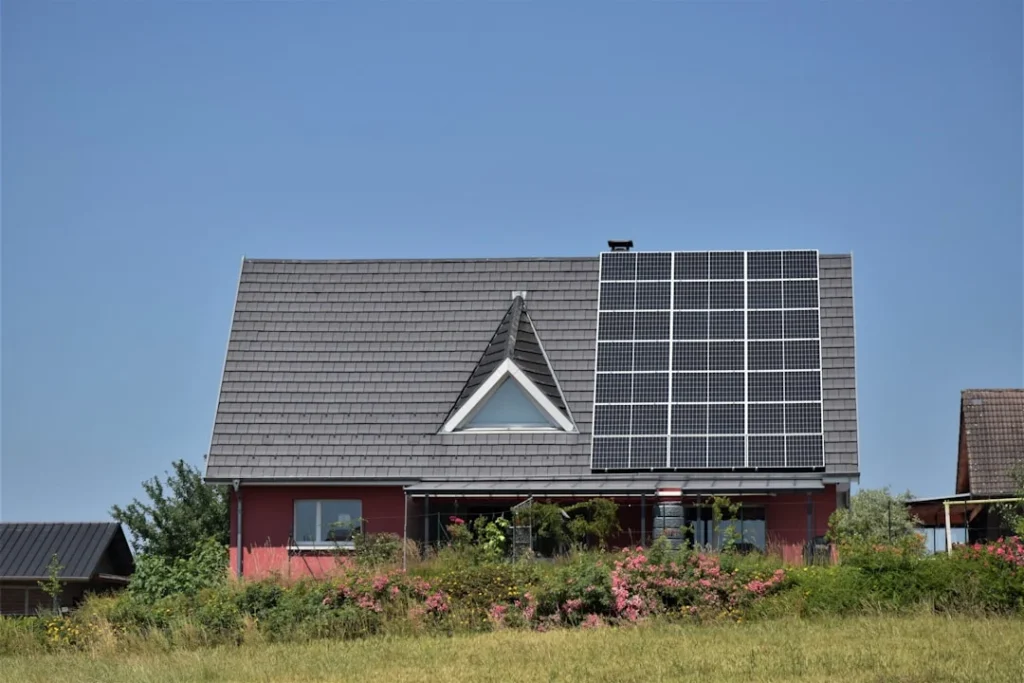
Orienting the long ridge of the gabled roof toward the south maximizes solar exposure. Integrating a metal roof, as highlighted in our metal roof design guide, not only offers durability but also reflects solar heat, reducing cooling loads and providing an ideal substrate for photovoltaic panels.

4. Water‑Efficiency Measures

Low‑flow fixtures, dual‑flush toilets, and rainwater harvesting systems reduce indoor water consumption by up to 35% (DOE, 2026). Pair these with a drip‑irrigated garden layout, and the farmhouse becomes a low‑impact home construction marvel.

Blending Modern Farmhouse Aesthetics with Green Performance

Farmhouse design thrives on natural materials, spacious porches, and a seamless indoor‑outdoor flow. To keep that vibe while meeting Energy Star criteria, consider these style‑friendly strategies:

  • Reclaimed Wood Siding: Use sustainably sourced reclaimed boards that provide natural insulation and a weathered look.
  • Exposed Beams with Insulated Cores: Combine visual appeal with thermal efficiency by routing insulation through the beam cavities.
  • Large Overhangs: Extend eaves to shade south‑facing windows in summer, reducing cooling demand while preserving the farmhouse silhouette.
  • Open‑Floor Layouts: Centralized living zones simplify ductwork and enhance heat distribution from a single high‑efficiency furnace.

Case Studies: Real‑World Plans That Deliver

Seeing theory in action helps solidify decisions. Below are three farm‑style plans from our catalog that already incorporate Energy Star‑ready features.

1. “The Green Heritage” – 3‑Bedroom, 2‑Bathroom

Featured in our complete guide to 3‑bedroom, 2‑bathroom farmhouse floor plans, this design includes a south‑facing solar array, high‑R attic insulation, and a sealed attic with a continuous air barrier. Homeowners report an average annual electricity use of 7,800 kWh, a 30% reduction from a standard build.

2. “Metal‑Roofed Meadow” – 4‑Bedroom Country House

Drawing from our 4‑Bedroom Country House Plans, the Meadow model pairs a standing‑seam metal roof with integrated solar panels, achieving a 12% net‑zero energy balance after three years of operation.

3. “Narrow Lot Farmhouse with Bonus Loft”

Even compact sites can host energy‑smart farmhouses. This plan, discussed in our narrow‑lot guide, maximizes vertical space with a bonus loft above the garage, incorporates passive solar heating through strategically placed clerestory windows, and uses high‑efficiency appliances to meet Energy Star thresholds.

Step‑by‑Step Guide to Selecting or Customizing an Energy Star Ready Farmhouse Plan

  1. Define Your Climate Zone: Use the DOE’s Climate Zone Map (2025) to understand heating‑cooling demands. A “cold‑climate” zone (e.g., Zone 7) will require higher insulation levels than a “mixed‑climate” zone.
  2. Choose a Base Plan: Look for layouts that already include sealed attics, adequate window‑to‑wall ratios, and space for solar panels. Our “Powerfully Efficient Modern Farmhouse” series is a solid starting point.
  3. Consult an Energy Modeler: Software such as REScheck (EPA) predicts Energy Star eligibility. Feed your chosen plan’s specifications and adjust insulation, glazing, or HVAC until the model passes.
  4. Incorporate Sustainable Materials: Opt for low‑VOC paints, FSC‑certified lumber, and recycled‑content insulation. These choices contribute to the “green building standards” score in many local certification programs.
  5. Finalize Mechanical Systems: Select ENERGY STAR‑rated appliances, a heat pump, and an HRV. Verify that the HVAC sizing aligns with Manual J calculations for your specific footprint.
  6. Apply for Certification: After construction, submit documentation—including test results, equipment specifications, and a completed ENERGY STAR Home Verification Form—to the EPA for official recognition.

Common Pitfalls & How to Avoid Them

Even experienced builders can stumble when merging rustic design with stringent energy goals. Here are the most frequent mistakes and corrective tips.

Over‑Sizing Windows

Large picture windows are a farmhouse staple, but excessive glazing can increase heat loss. Solution: Use high‑performance low‑E glass and incorporate insulated interior shutters that can be closed at night.

Neglecting Air‑Tightness

A “drafty” feel is often romanticized, yet it dramatically reduces efficiency. Perform a blower‑door test after the envelope is sealed; aim for ≤0.35 ACH50 (air changes per hour at 50 Pa) to qualify for Energy Star.

Improper Solar Orientation

Placing solar panels on a shaded roof section wastes potential generation. Conduct a sun‑path analysis during the design phase to ensure panels receive at least 5 hours of direct sunlight daily.

Ignoring Local Building Codes

Energy Star standards complement, but do not replace, regional codes. Coordinate with local authorities early to integrate any additional insulation or ventilation mandates.

FAQ – Quick Answers to Your Top Questions

  • Can I retrofit an existing farmhouse to become Energy Star ready? Yes. Upgrades like adding attic insulation, sealing ducts, and installing high‑efficiency windows can push an older home into the Energy Star bracket.
  • Do Energy Star homes qualify for tax credits? The 2025 Inflation Reduction Act extended residential clean‑energy tax credits up to $2,500 for qualified upgrades, including high‑efficiency HVAC and solar installations.
  • How does a metal roof affect Energy Star eligibility? Metal roofs are reflective, reducing cooling loads, and they support solar panels easily. When paired with proper insulation, they help meet the envelope criteria.
  • Is a bonus room above the garage energy‑efficient? If the room is insulated and ventilated correctly, it can serve as a thermal buffer, improving overall envelope performance. See our bonus‑room guide for best practices.

Putting It All Together: Your Path to a Greener Country Home

Designing a farmhouse that honors tradition while embracing modern energy standards is no longer a distant dream. By selecting a plan that already incorporates high‑R insulation, ENERGY STAR‑rated HVAC, solar‑ready roofing, and water‑saving fixtures, you set the foundation for a home that pays for itself over time. Pair that blueprint with thoughtful material choices and diligent construction practices, and you’ll enjoy the timeless serenity of country living—plus the confidence that your home is doing its part for the planet.

Ready to start? Browse our extensive catalog of farmhouse duplex plans for multi‑family options, or explore structural engineering support to ensure your dream farmhouse is both beautiful and built to the highest performance standards.

Remember, an Energy Star ready farmhouse isn’t just an investment in property—it’s an investment in a sustainable future for your family and your community.

Leave a Reply

Your email address will not be published. Required fields are marked *