First‑time home builders looking for farmhouse house plans often wonder how to blend rustic charm with modern efficiency without blowing their budget, and the answer lies in selecting designs that prioritize open‑concept living, energy‑smart features, and flexible layouts that grow with your family. By targeting a plan that offers a spacious main‑floor master suite, sustainable building materials, and clever space‑saving tricks, newcomers can avoid costly redesigns and move into a home that feels both timeless and contemporary.
Why Modern Farmhouse Plans Are Ideal for Beginners
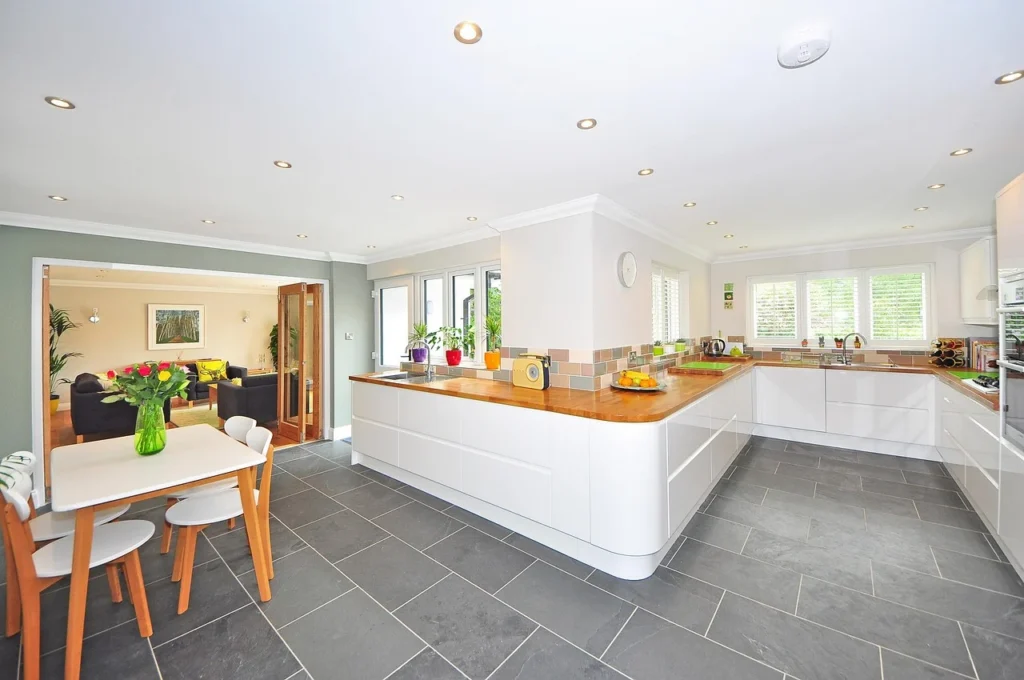
The resurgence of the modern farmhouse style has turned what once was a niche aesthetic into a mainstream choice for first‑time home builders. According to the National Association of Home Builders (NAHB) 2026 housing trends report, over 32 % of new single‑family homes now incorporate farmhouse elements such as board‑and‑batten siding, reclaimed wood interiors, and generous front porches. These features aren’t just about looks; they also support functional, low‑maintenance living—a crucial factor when you’re juggling construction timelines and a limited budget.
One of the biggest advantages of a modern farmhouse plan is its inherent flexibility. The classic “big‑open‑kitchen‑to‑living‑room” layout can be easily adapted to accommodate a home office, a playroom, or a bonus room above the garage. This adaptability reduces the need for later expansions, saving both money and stress.
Table of Contents
- Why Modern Farmhouse Plans Are Ideal for Beginners
- Key Features to Look for in a First‑Time Builder’s Farmhouse Plan
- 1. Energy‑Efficient Design
- 2. Main‑Floor Master Suite
- 3. Space‑Saving Solutions for Smaller Lots
- 4. Durable Roofing Options
- 5. Structural Engineering Support
- Step‑by‑Step Guide to Selecting the Perfect Farmhouse Plan
- Common Pitfalls First‑Time Builders Should Avoid
- Real‑World Example: The “Heritage Ridge” Farmhouse
- FAQ: Answers to the Most Pressing Questions
- Can I build a modern farmhouse on a narrow lot?
- What is the typical cost per square foot for a farmhouse?
- Do I need a structural engineer for a farmhouse plan?
- How much can I save with an ENERGY STAR‑certified farmhouse?
- Is a metal roof worth the extra upfront cost?
- Conclusion: Turn Your Dream of a Country Home Into Reality
Key Features to Look for in a First‑Time Builder’s Farmhouse Plan

1. Energy‑Efficient Design
Energy costs continue to climb, and the 2026 ENERGY STAR residential data shows that homes meeting the ENERGY STAR certification consume up to 35 % less energy than the average new house. When scouting plans, prioritize those that include high‑R‑value insulation, double‑pane low‑E windows, and optional solar‑ready roof space. Our Energy‑Star Ready Farmhouse House Plans provide a ready‑made template that blends rustic aesthetics with cutting‑edge efficiency.
2. Main‑Floor Master Suite
Accessibility and convenience are top concerns for new homeowners, especially those planning to age in place. A main‑floor master suite eliminates stairs, enhances privacy, and often incorporates a walk‑in closet and ensuite bathroom. The Master Your Country Living guide showcases several farmhouse plans that place the master bedroom on the ground level without sacrificing the classic front‑facing façade.
3. Space‑Saving Solutions for Smaller Lots
Urban sprawl has pushed many first‑time buyers onto narrower parcels of land. Clever design tricks—such as an L‑shaped footprint, a two‑story garage with a bonus loft, or a compact yet functional kitchen island—can make a modest lot feel spacious. Check out the Farmhouse House Plans for Narrow Lots article for ideas on maximizing square footage without compromising the signature farmhouse feel.
4. Durable Roofing Options
Metal roofing has become a staple in modern farmhouse architecture because it offers longevity, fire resistance, and excellent reflectivity, which contributes to lower cooling loads. The 2026 U.S. Roofing Contractors Association (RCA) survey indicates that metal roofs now have a 20 % higher adoption rate among new builds compared to five years ago. Pairing a metal roof with insulated panels can further boost your home’s energy profile.

5. Structural Engineering Support
Even the most beautiful design can fall short without proper engineering. Farmhouse plans that include structural engineering documentation ensure your build complies with local codes, especially in regions prone to high winds or seismic activity. Opt for plans that come with this support to avoid costly revisions during construction.
Step‑by‑Step Guide to Selecting the Perfect Farmhouse Plan
- Define Your Priorities. List the must‑haves (e.g., master suite on the main floor, energy‑star rating, metal roof) and nice‑to‑haves (e.g., bonus loft, wrap‑around porch).
- Set a Realistic Budget. According to a 2026 Homebuilding Cost Index by the NAHB, the average cost per square foot for a mid‑range farmhouse sits at $150‑$190. Multiply this by the desired square footage and add 10‑15 % for contingencies.
- Check Zoning & Lot Constraints. Verify setbacks, height restrictions, and allowable footprint with your local planning office before committing to a plan.
- Review Energy‑Efficiency Features. Look for built‑in insulation specifications, HVAC sizing guidelines, and optional solar panel placement.
- Consult a Structural Engineer. Even if the plan includes engineering support, a local engineer can tailor the specs to soil conditions and regional load requirements.
- Obtain Building Permits. Submit the finalized plan, engineering calculations, and any required environmental assessments to your municipality.
- Hire a Reputable Contractor. Choose a builder experienced with farmhouse aesthetics—especially board‑and‑batten siding and exposed beam interiors.
- Monitor Construction Milestones. Use a construction checklist to track foundation, framing, roofing, and finishing stages, ensuring each aligns with the original design intent.
Common Pitfalls First‑Time Builders Should Avoid
- Over‑customizing Too Early. While personalization is tempting, excessive changes can inflate costs and delay timelines.
- Ignoring Energy Modeling. Skipping a simple energy simulation may lead to higher utility bills and missed savings.
- Underestimating Site Preparation. Soil testing, grading, and drainage solutions are often overlooked but crucial for long‑term durability.
- Choosing Incompatible Materials. Not all rustic finishes pair well with modern insulation or HVAC systems; always verify compatibility.
Real‑World Example: The “Heritage Ridge” Farmhouse
Consider the “Heritage Ridge” model, a 2,350‑square‑foot farmhouse that has become popular among first‑time builders in the Midwest. The design features a board‑and‑batten exterior, a metal roof, and an ENERGY STAR‑qualified HVAC system. Homeowners reported a 28 % reduction in heating costs during the 2025 winter season, according to a case study published by the Midwest Homebuilders Association.
Key takeaways from the “Heritage Ridge” experience:
- Smart Layout. The open‑concept kitchen flows into a family room with a built‑in fireplace, while a separate “great room” houses a loft that serves as a bonus play area.
- Main‑Floor Master. The master suite includes a walk‑in closet, a double‑vanity bathroom, and direct access to a covered front porch.
- Future‑Proofing. The plan includes pre‑wired conduit for solar panels, allowing homeowners to add renewable energy without structural alterations.
FAQ: Answers to the Most Pressing Questions
Can I build a modern farmhouse on a narrow lot?
Yes. By employing an L‑shaped footprint and stacking living spaces vertically, many narrow‑lot designs maintain the classic farmhouse silhouette while providing ample interior space.
What is the typical cost per square foot for a farmhouse?
The 2026 NAHB cost index places the average range between $150 and $190 per square foot for a mid‑range farmhouse, though premium finishes or high‑performance systems can push the price higher.
Do I need a structural engineer for a farmhouse plan?
While not always legally required, having structural engineering support—especially for plans with large open spans or metal roof systems—helps ensure compliance with local codes and reduces the risk of costly revisions.
How much can I save with an ENERGY STAR‑certified farmhouse?
Homes that meet ENERGY STAR standards can reduce annual energy consumption by up to 35 %, translating into average savings of $1,200‑$1,500 per year, according to the U.S. Department of Energy’s 2026 residential energy report.
Is a metal roof worth the extra upfront cost?
Metal roofs typically cost 10‑15 % more than asphalt shingles but offer a lifespan of 40‑70 years and reflect up to 70 % of solar heat, which can lower cooling expenses by 10‑15 % in hot climates.
Conclusion: Turn Your Dream of a Country Home Into Reality
Choosing the right farmhouse house plan as a first‑time builder is less about chasing trends and more about securing a foundation that blends timeless design with modern practicality. By focusing on energy‑efficient features, a main‑floor master suite, and adaptable layouts, you can create a home that not only looks inviting but also saves money and stands the test of time. Use the resources and links above to explore proven designs, and remember that a well‑engineered plan is your best ally in turning a rustic vision into a livable masterpiece.
Ready to start? Browse our curated collection of modern farmhouse plans with board‑and‑batten exteriors for inspiration, and take the first step toward building the farmhouse you’ve always imagined.