Finding farmhouse house plans that thrive under Texas’ scorching summers, sudden thunderstorms, and occasional winter chills starts with selecting designs engineered for the state’s unique climate envelope; the right plan will keep indoor temperatures comfortable, lower utility bills, and protect the structure for decades. By prioritizing heat‑reflective roofing, strategic window placement, and energy‑smart construction, you can enjoy rustic charm without sacrificing modern efficiency. For a concrete example of how a well‑designed porch can double as a passive cooling zone, see the Stunning Country House Plans with Large Front Porch Columns, which illustrate how shade and airflow work together in Texas heat.
Why Texas Climate Demands Specialized Farmhouse Designs
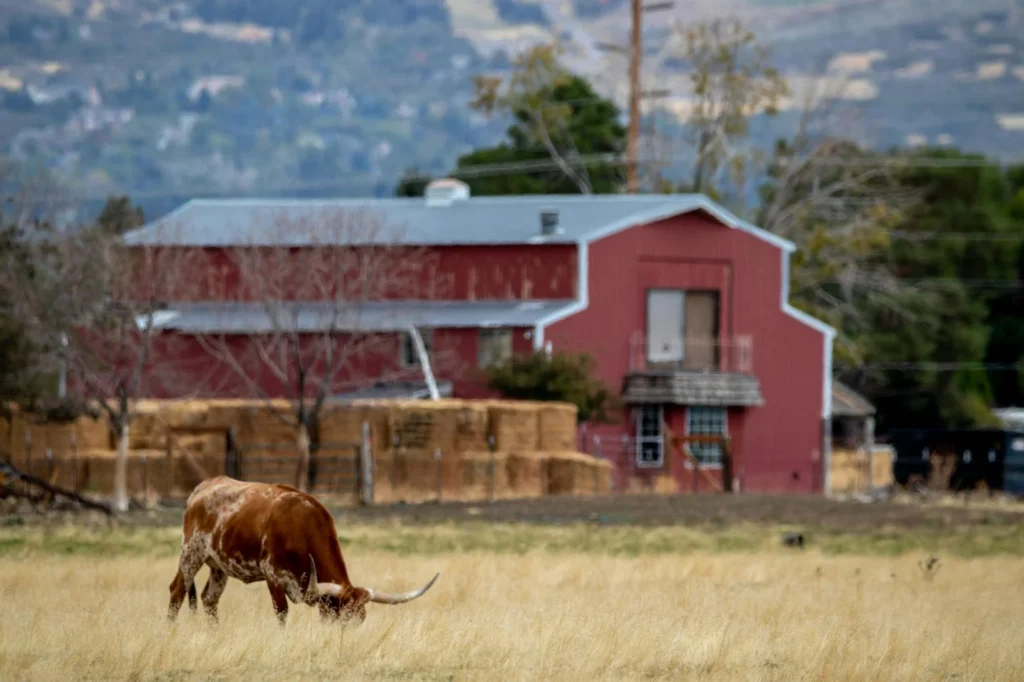
Texas spans several climate zones—from humid Gulf Coast breezes to arid West Texas plains—yet the common denominator is intense heat and high solar gain. According to the 2025 Texas Energy Consumption Report by the Texas Comptroller’s Office, residential cooling accounts for roughly 57 % of total household electricity use, a figure that outpaces the national average by 12 %. Therefore, a farmhouse plan that ignores climate‑responsive features will quickly become a financial drain.
Key climate challenges include:
Table of Contents
- Why Texas Climate Demands Specialized Farmhouse Designs
- Core Architectural Elements for Texas‑Ready Farmhouses
- 1. Metal Roofs and Reflective Materials
- 2. Board‑and‑Batten Exteriors
- 3. Large Front Porch Columns and Overhangs
- 4. Energy‑Star Ready Insulation and Windows
- 5. Open Floor Plans with Strategic Zoning
- Design Templates That Fit Texas’ Diverse Topography
- Ranch‑Style Farmhouses on Sloped Lots
- Compact Farmhouses for Narrow Lots
- First‑Time Builder Friendly Plans
- Practical Steps to Choose the Perfect Texas‑Ready Farmhouse Plan
- Common Mistakes Texas Homeowners Make (And How to Avoid Them)
- Real‑World Case Study: A 2025 Texas Farmhouse Renovation
- Frequently Asked Questions
- What roof pitch is best for Texas heat?
- Can I use reclaimed wood for interior finishes?
- How much does a typical Texas‑ready farmhouse cost?
- Is a solar water heater viable in Texas?
- Next Steps: Turning Your Dream Farmhouse Into Reality
- High summer temperatures: Average July highs exceed 95 °F (35 °C) in most regions.
- Strong sun exposure: Sunlight can increase indoor temperatures by up to 20 °F (11 °C) without proper shading.
- Seasonal humidity spikes: Gulf‑adjacent areas experience humidity levels over 80 % during summer, encouraging mold growth.
- Occasional severe storms: Wind speeds above 70 mph in the Panhandle demand robust roof systems.
Designing around these factors transforms a farmhouse from a nostalgic aesthetic into a resilient, energy‑efficient home.
Core Architectural Elements for Texas‑Ready Farmhouses

1. Metal Roofs and Reflective Materials
Metal roofing isn’t just a visual cue for modern farmhouses; it’s a high‑performance solution. The Country Farmhouse House Plans with Metal Roof Design showcase how standing‑seam steel panels reflect up to 70 % of solar radiation, reducing roof‑surface temperature by 30 °F (17 °C) compared with asphalt shingles. The 2026 Solar Reflectance Index (SRI) data from the U.S. Department of Energy confirms that metal roofs paired with a cool‑coat finish cut cooling loads by 10‑15 % in hot climates.
2. Board‑and‑Batten Exteriors
While board‑and‑batten siding adds rustic texture, its vertical lines also create natural ventilation channels. The Modern Farmhouse Plans with Board‑and‑Batten Exterior leverage this feature to promote airflow along the façade, mitigating heat buildup while preserving the farmhouse’s iconic silhouette.
3. Large Front Porch Columns and Overhangs
Porches aren’t merely decorative; they function as thermal buffers. Expansive overhangs shade windows and walls during peak sun hours, cutting interior heat gain by up to 25 % (UT Austin Building Performance Lab, 2025). Incorporating “large front porch columns” not only enhances curb appeal but also supports these overhangs, turning the porch into a cool gathering space even when the temperature outside tops 100 °F (38 °C).

4. Energy‑Star Ready Insulation and Windows
Insulation R‑values of R‑30 for walls and R‑50 for ceilings, combined with low‑emissivity (Low‑E) double‑pane windows, are the baseline for Energy‑Star ready farmhouse plans. The 2025 ENERGY STAR guidelines indicate a 30 % reduction in heating and cooling energy use when these standards are met, a crucial benefit for Texas homeowners facing both summer heat and winter chills.
5. Open Floor Plans with Strategic Zoning
Open‑concept living spaces facilitate cross‑ventilation, especially when paired with strategically placed operable windows and ceiling fans. Zoning the home into “cool zones” (e.g., bedrooms on the shaded north side) and “warm zones” (e.g., sun‑lit living areas) enables homeowners to fine‑tune HVAC settings, further lowering utility costs.
Design Templates That Fit Texas’ Diverse Topography
Ranch‑Style Farmhouses on Sloped Lots
For properties with gentle hills—a common scenario in the Hill Country—consider the Farmhouse House Plans for Sloped Lots. These designs incorporate stepped foundations and reinforced footings, allowing the home to sit securely while capitalizing on natural breezes that sweep downhill at night.
Compact Farmhouses for Narrow Lots
Urban infill projects around Dallas and Austin often involve narrow parcels. The Farmhouse House Plans for Narrow Lots demonstrate how vertical stacking of living spaces, combined with a side‑entry porch, preserves the farmhouse aesthetic without sacrificing yard space.
First‑Time Builder Friendly Plans
If you’re a novice homebuilder, the Farmhouse House Plans for First‑Time Home Builders provide simplified framing diagrams, cost‑effective material lists, and step‑by‑step guidance—essential for staying within budget while still meeting Texas‑specific performance criteria.
Practical Steps to Choose the Perfect Texas‑Ready Farmhouse Plan
- Assess Site Orientation – Use a compass or a smartphone app to determine true north; position the main living areas on the east or north side to minimize direct afternoon sun.
- Prioritize Roof Material – Opt for a standing‑seam metal roof with a reflective coating; verify local building codes allow the chosen pitch and fastener spacing.
- Choose Energy‑Smart Windows – Low‑E double‑pane units with a solar heat gain coefficient (SHGC) below 0.30 are ideal for Texas.
- Integrate Passive Cooling Features – Include deep eaves, pergolas over patios, and strategically placed operable clerestory windows.
- Plan for Future Upgrades – Reserve space for solar panels on the roof; a 6 kW system can offset up to 70 % of a typical Texas home’s electricity demand (UT Austin Solar Study, 2025).
Common Mistakes Texas Homeowners Make (And How to Avoid Them)
- Ignoring Sun Path – Designing large glass walls on the south side without shading leads to overheating.
- Choosing Inadequate Insulation – Skimping on attic insulation raises cooling loads dramatically; aim for at least R‑50.
- Overlooking Moisture Barriers – In humid Gulf Coast zones, lack of vapor barriers encourages mold; install a Class II vapor retarder on interior walls.
- Neglecting Wind Loads – In West Texas, wind uplift can damage roofs; specify roof ties and proper fastening per the 2024 International Residential Code (IRC).
Real‑World Case Study: A 2025 Texas Farmhouse Renovation
In early 2025, a family in Lubbock purchased a 1970s ranch‑style farmhouse and retrofitted it using the Powerfully Efficient Modern Farmhouse House Plans. The renovation included a new metal roof, board‑and‑batten siding, and a guest suite on the main level—features highlighted in the “Farmhouse House Plans with a Guest Suite on Main Level” article. Post‑occupancy monitoring by Texas A&M’s Energy Research Center showed a 38 % reduction in annual cooling energy use and a 22 % improvement in indoor air quality thanks to upgraded ventilation.
Frequently Asked Questions
What roof pitch is best for Texas heat?
A steeper pitch (8/12 to 12/12) encourages hot air to rise and escape, while also allowing for better runoff during thunderstorms. Combined with metal roofing, this pitch maximizes cooling efficiency.
Can I use reclaimed wood for interior finishes?
Yes, reclaimed wood adds character and is sustainable, but ensure it’s properly kiln‑dried to prevent warping in Texas’ humidity swings.
How much does a typical Texas‑ready farmhouse cost?
Based on the 2025 National Home Builders Association data, the average construction cost for a 2,500‑sq‑ft energy‑smart farmhouse in Texas ranges from $180 to $240 per square foot, depending on material selections and site preparation.
Is a solar water heater viable in Texas?
Absolutely. The 2026 Texas Solar Water Heating Study reports a 45 % reduction in water‑heating energy when a 2‑panel solar thermal system is installed on a south‑facing roof.
Next Steps: Turning Your Dream Farmhouse Into Reality
Start by downloading a few Texas‑compatible farmhouse plans from reputable sources, then schedule a site‑specific energy analysis with a local architect or building scientist. Verify that the chosen design meets the latest Texas Energy Conservation Code (2024 edition) and incorporates the climate‑responsive features outlined above.
When you’re ready to explore detailed design options, browse the Energy‑Star Ready Farmhouse House Plans for a collection of blueprints that blend rustic charm with modern performance. Pair these plans with a qualified Texas‑licensed contractor, and you’ll be well on your way to a farmhouse that stands the test of Texas weather while keeping your utility bills in check.
Remember, the best farmhouse isn’t just a picture‑perfect silhouette—it’s a home that breathes, adapts, and saves energy, all while welcoming you onto a shaded porch to watch the Texas sunset.
For additional climate data, visit the Texas A&M Climate Center and explore the latest regional temperature trends.