Looking for a Scandinavian home design that makes every square foot count? The answer lies in clever space planning that blends minimalism, natural light, and energy‑smart solutions—all while preserving the warm, inviting feel of Nordic living. By prioritizing open‑concept layouts, built‑in storage, and sustainable materials, you can create a home that feels larger, more functional, and environmentally responsible. For a deeper dive into eco‑friendly material choices, check out our Sustainable Scandinavian House Plans Guide, which also covers passive‑house standards and cost insights.
Why Efficient Space Planning Is the Core of Scandinavian Design
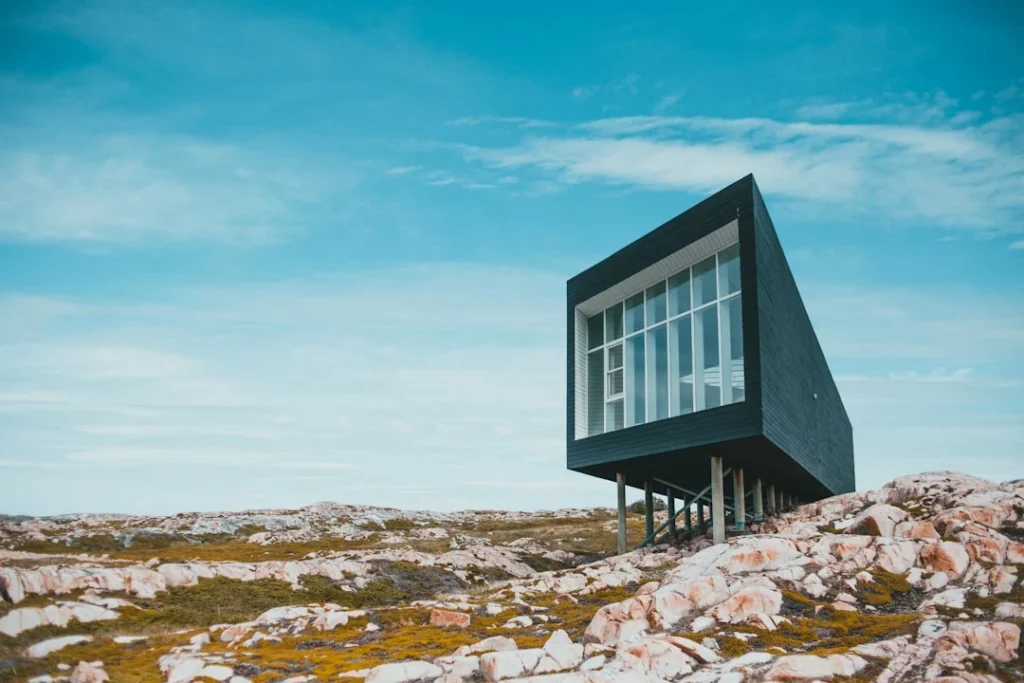
Scandinavian architecture has long championed the idea that “less is more.” This philosophy translates into floor plans where each element serves multiple purposes, reducing clutter and enhancing flow. Modern homeowners increasingly seek these designs because they offer:
- Maximum natural daylight that reduces reliance on artificial lighting.
- Energy‑efficient insulation and window placement that meet passive‑house standards.
- Minimalist interiors that promote mental clarity and ease of maintenance.
When space is planned thoughtfully, the home feels airy and spacious—even on modest footprints—making it ideal for both urban apartments and countryside retreats.
Table of Contents
Key Elements That Amplify Space in Scandinavian Homes
1. Open‑Concept Layouts
An open‑concept layout eliminates unnecessary walls, allowing sightlines to stretch across the living, dining, and kitchen areas. This continuity not only boosts perceived size but also encourages family interaction—a hallmark of Nordic culture.
2. Built‑In, Multi‑Functional Furniture
Think of a bench with hidden drawers, a kitchen island that doubles as a homework station, or a lofted bedroom with integrated wardrobes. These pieces reduce the need for freestanding furniture, freeing up floor space.
3. Light‑Reflective Surfaces
White walls, pale wood floors, and matte finishes bounce daylight deeper into rooms. Adding large, strategically placed windows—often floor‑to‑ceiling—creates a seamless indoor‑outdoor connection that visually expands the interior.
4. Smart Storage Solutions
From under‑stair closets to wall‑mounted shelving that follows the roofline, smart storage keeps belongings out of sight, preserving the clean lines essential to minimalist aesthetics.
5. Energy‑Efficient Materials
Materials such as cross‑laminated timber, cellulose insulation, and triple‑glazed windows not only meet sustainability goals but also help regulate temperature, reducing the need for bulky heating units that can dominate a room’s design.