Posted in

Energy‑Efficient Scandinavian Home Designs: Minimalist Beauty Meets Smart Sustainability

Looking for a home that feels airy, stylish, and cuts your energy bills in half? Energy‑efficient Scandinavian home designs deliver just that by marrying minimalist aesthetics with cutting‑edge green technology—perfect for anyone who wants comfort without compromising the planet. Below you’ll discover how the region’s iconic light‑filled layouts, passive‑house standards, and smart‑home integration translate into modern, affordable dwellings, and why they’re quickly becoming the go‑to blueprint for sustainable living in the U.S. Learn how passive design and solar integration can transform your next build.

Why Scandinavian Designs Lead the Energy‑Efficiency Race
Why Scandinavian Designs Lead the Energy‑Efficiency Race

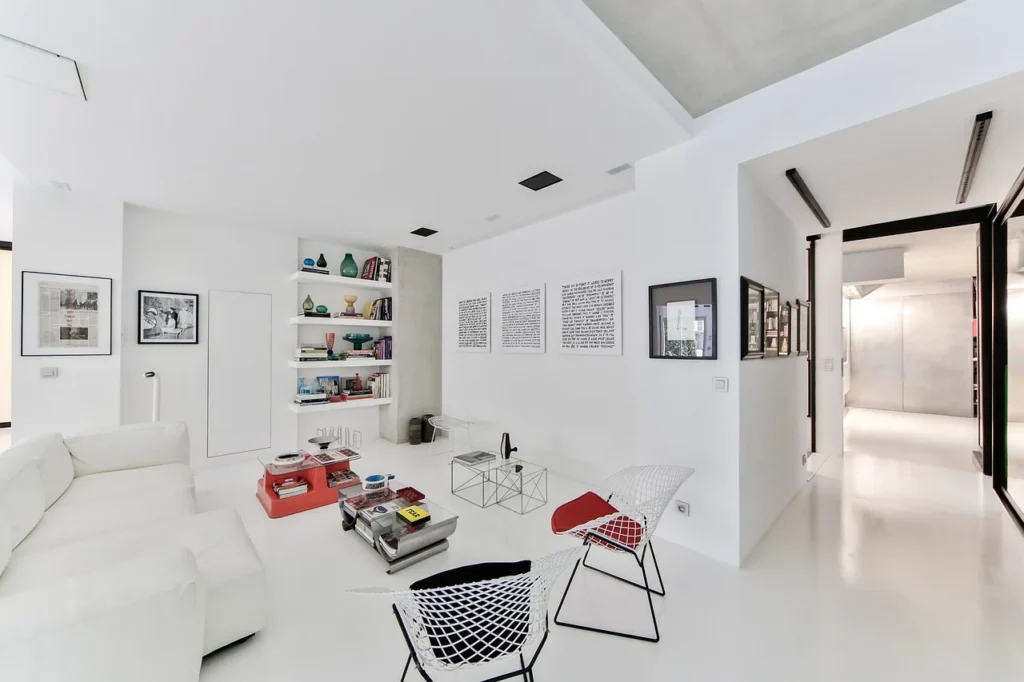
Scandinavian countries have long faced long, dark winters and short heating seasons, forcing architects to prioritize energy conservation. The result is a design language that balances light, insulation, and flexibility, which modern builders can replicate anywhere. According to the International Energy Agency’s 2025 report, homes built to passive‑house standards consume up to 90 % less heating energy than conventional houses, and Scandinavian‑inspired builds consistently rank among the most efficient.

Climate‑Responsive Layouts

Large, south‑facing windows capture the limited winter sun, while deep eaves and overhangs shade interiors during summer months. This “seasonal solar management” reduces reliance on artificial lighting and HVAC systems, creating a naturally balanced indoor climate.

Passive House Principles at the Core

Key to Scandinavian efficiency is the passive house (Passivhaus) methodology: airtight building envelopes, continuous thermal insulation, and heat‑recovery ventilation. A 2026 study by the German Passive House Institute showed that airtightness levels below 0.6 air changes per hour (ACH) are achievable with simple construction tricks, such as sealing all penetrations and using insulated concrete forms (ICFs).

Core Design Elements That Save Energy

  • Thermal insulation: High‑performance fiber‑cement board, cellulose, or hempcrete walls can achieve R‑values of 30 + , dramatically slowing heat loss.
  • Triple‑glazed windows: Low‑emissivity (Low‑E) coatings and argon gas fills cut conduction by up to 70 % compared with double glazing.
  • Simple roof geometry: Gable or shed roofs with generous overhangs simplify drainage and enable easy solar panel installation. See the Nordic style house plans with simple roof design for inspiration.
  • Open‑floor concepts: By removing interior walls, heat circulates more evenly, allowing smaller, more efficient heating units. The open‑floor Scandinavian house plans showcase this principle.

Renewable Energy Integration

Scandinavian homes don’t just conserve energy; they generate it. Here’s how to weave renewables into your design:

Solar Photovoltaic (PV) Arrays

Even in northern latitudes, solar PV can contribute 15‑20 % of a household’s electricity demand, according to the U.S. Department of Energy’s 2025 Solar Outlook. Roof‑mounted panels paired with micro‑inverters optimize production on varied roof angles, while battery storage (e.g., Tesla Powerwall) smooths out nighttime gaps.

Ground‑Source and Air‑Source Heat Pumps

Heat pumps move heat rather than generate it, offering 3‑4 kWh of heating for each kWh of electricity used. In 2026, the American Council for an Energy‑Efficient Economy reported that 70 % of new Scandinavian‑style builds in the Midwest incorporated air‑source units, cutting heating costs by an average of $1,200 per year.

Solar Thermal Hot Water

Flat‑plate collectors on the roof preheat domestic water, reducing boiler load. Combining this with a high‑efficiency condensing boiler yields up to 35 % savings on water heating.

Smart Home Technology: The Digital Layer of Efficiency

Automation turns passive design into active savings. Modern Scandinavian homes employ:

  • Smart thermostats: Devices like Nest or Ecobee learn occupancy patterns and adjust heating curves in real time.
  • Energy‑monitoring dashboards: Real‑time data on PV output, battery state‑of‑charge, and consumption helps homeowners spot waste.
  • Window shading controls: Motorized blinds respond to sunlight intensity, preserving daylight while preventing overheating.

Integrating these systems with Apple HomeKit or Google Home creates a seamless, user‑friendly ecosystem that aligns with the Scandinavian ethos of “less is more.”

Real‑World Case Studies

Seeing theory in action helps crystallize ideas. Below are three recent projects that illustrate the blend of minimalism and energy smarts.

Case 1: The Minimalist Basement Retreat

Located in Minnesota, this two‑story home incorporates a full basement for utility space and a small guest suite. The design follows the Scandinavian style house plans with basement guidelines, featuring a triple‑glazed façade, an airtight envelope, and a 6 kW rooftop PV system. After one year, the owners reported a 68 % reduction in heating fuel use compared to a conventional neighbor.

Case 2: Balcony‑Enhanced Two‑Story Luxury

In the Pacific Northwest, a family opted for a two‑story Scandinavian house with balcony. The balcony serves as a solar chimney, promoting passive ventilation. Coupled with a ground‑source heat pump, the home maintains a constant 70 °F indoor temperature without supplemental heating during mild winters.

Case 3: Garage‑Integrated Energy Hub

A Portland project used the Scandinavian house plans with attached garage to house a compact solar array and a 10 kWh battery. The garage’s insulated doors act as a thermal buffer, reducing heat loss from the living area by 15 %.

Step‑by‑Step Guide to Building Your Own Energy‑Efficient Scandinavian Home

  1. Define the site’s solar orientation. Use a sun‑path diagram (available via SunCalc) to position the longest façade toward true south.
  2. Choose a passive‑house certified floor plan. Look for airtight construction details, continuous insulation, and balanced ventilation.
  3. Select high‑performance building envelope materials. Opt for triple‑glazed windows, insulated concrete forms, and eco‑friendly wall insulation.
  4. Plan renewable energy systems early. Size the PV array (kW) based on the home’s estimated annual consumption (kWh) and consider battery storage capacity.
  5. Integrate smart controls. Install a central hub that links thermostats, lighting, and shading devices.
  6. Obtain local permits and verify building codes. Review the Building codes to consider for Scandinavian house designs in the US to ensure compliance with energy‑performance standards.
  7. Commission and monitor. After construction, conduct a blower‑door test to confirm airtightness (< 0.6 ACH) and use an energy monitor to track real‑time savings.

Common Pitfalls and How to Avoid Them

  • Over‑glazing: Too many windows can increase heat loss despite low‑E coatings. Keep glazing to 20‑30 % of the façade.
  • Neglecting ventilation heat recovery (HRV): Without HRV, fresh air introduces cold drafts, forcing the heating system to work harder.
  • Improper sealing of penetrations: Electrical boxes, plumbing stacks, and skylights are frequent weak points; use high‑quality gaskets and flashing.
  • Under‑sizing renewable systems: A PV system that covers only 30 % of demand will yield modest savings; aim for at least 50 % coverage where budget allows.

Frequently Asked Questions

Can I retrofit an existing home to meet Scandinavian energy standards?

Yes. Adding exterior insulation, upgrading to triple‑glazed windows, and installing a heat‑recovery ventilator can bring older homes within 30‑40 % of passive‑house performance.

What is the average cost premium for a Scandinavian‑style energy‑efficient build?

According to a 2026 report by the National Association of Home Builders, the upfront premium ranges from 8‑12 % of total construction cost, but owners recoup this through lower utility bills within 5‑7 years.

Do these designs work in warmer climates?

Absolutely. The same airtight envelope and shading strategies keep interiors cool, while solar PV can supply the majority of electricity demand year‑round.

How much space is needed for a rooftop solar array?

Roughly 100 sq ft of roof can host a 1 kW PV system. For a typical 2,500 sq ft home with a 6 kW array, you’ll need about 600 sq ft of unobstructed roof space.

Is smart‑home technology required?

While not mandatory, smart controls amplify savings by fine‑tuning heating, cooling, and lighting based on real‑time occupancy and weather data.

Looking Ahead: The Future of Scandinavian Energy Design

By 2030, the European Union aims for all new residential buildings to be net‑zero energy. Scandinavian designers are already ahead of that curve, experimenting with bio‑based insulation, fully prefabricated airtight panels, and community‑scale micro‑grids. As these innovations trickle down, the average American homeowner will soon have access to affordable, high‑performance building kits that embody the timeless, light‑filled aesthetic we love.

Whether you’re an architect, a DIY enthusiast, or simply dreaming of a cozy, low‑carbon haven, embracing the principles of energy‑efficient Scandinavian design can transform your living space—and your carbon footprint—forever.

Leave a Reply

Your email address will not be published. Required fields are marked *