Looking for farmhouse house plans that not only capture rustic charm but also meet Energy Star ready design standards? The answer lies in combining classic country architecture with cutting‑edge green building techniques—an approach that slashes utility bills, boosts resale value, and aligns with today’s sustainability goals. By selecting a plan engineered for energy efficiency, you can enjoy the warmth of a farmhouse while living responsibly, and discover how modern farmhouse designs already deliver impressive savings.
Why an Energy Star Ready Farmhouse Is a Smart Investment

Energy Star certification, administered by the U.S. Environmental Protection Agency (EPA) and the Department of Energy (DOE), sets a performance benchmark for homes that consume at least 10% less energy than comparable houses built to code. In 2025, the EPA reported that Energy Star homes used an average of 28% less electricity for heating and cooling than non‑certified homes, translating into $1,800–$2,300 annual savings per household (EPA, 2025). For a farmhouse—traditionally associated with larger footprints and higher heating loads—these savings become even more compelling.
Core Design Elements of an Energy Star Ready Farmhouse
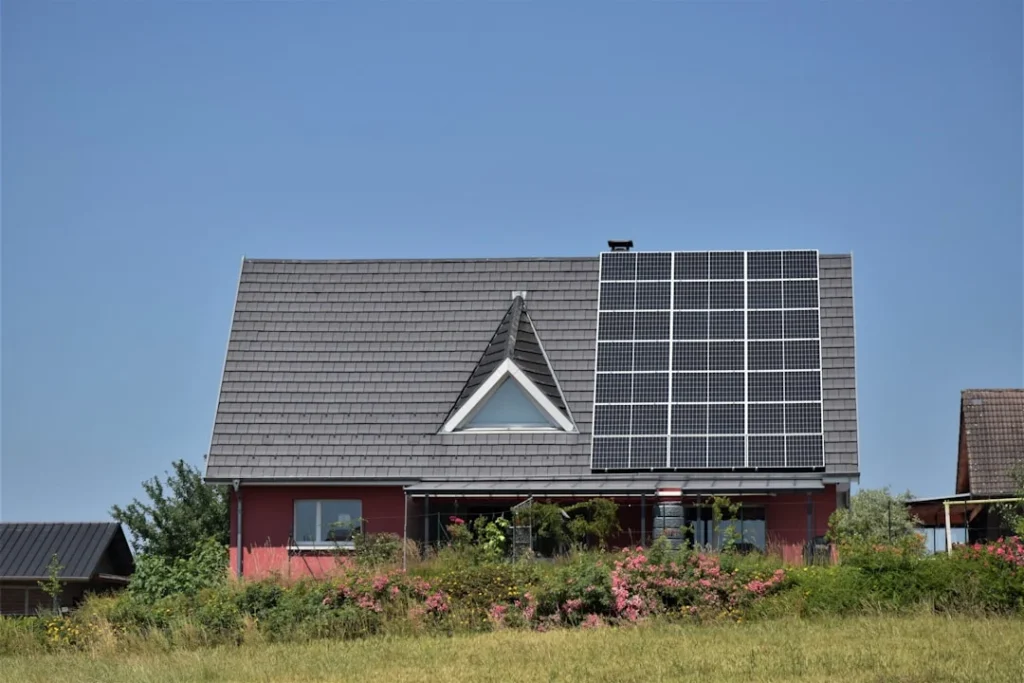
Integrating Energy Star standards into farmhouse plans doesn’t mean compromising on style. Below are the critical design components that marry country aesthetics with high performance.
Table of Contents
1. High‑Performance Envelope
- Insulation: R‑values of at least R‑30 in walls, R‑60 in ceilings, and R‑20 in floors, using spray‑foam or cellulose for airtightness.
- Windows & Doors: Triple‑pane, low‑E glazing with U‑values ≤0.30 BTU/hr·ft²·°F, often framed in reclaimed wood to maintain farmhouse character.
- Air Sealing: Continuous air‑barrier systems—such as taped drywall seams and insulated sheathing—prevent drafts without sacrificing the expansive feel of a traditional barn‑style home.
2. Efficient HVAC & Ventilation
Heat pumps, especially cold‑climate models, deliver up to 3.5 heating seasonal performance factor (HSPF) while providing cooling in summer. Coupled with an ENERGY STAR‑rated heat recovery ventilator (HRV), the system supplies fresh air without losing conditioned heat—a perfect match for the open‑plan living rooms of a farmhouse.
3. Solar‑Ready Roof Design
Orienting the long ridge of the gabled roof toward the south maximizes solar exposure. Integrating a metal roof, as highlighted in our metal roof design guide, not only offers durability but also reflects solar heat, reducing cooling loads and providing an ideal substrate for photovoltaic panels.
4. Water‑Efficiency Measures
Low‑flow fixtures, dual‑flush toilets, and rainwater harvesting systems reduce indoor water consumption by up to 35% (DOE, 2026). Pair these with a drip‑irrigated garden layout, and the farmhouse becomes a low‑impact home construction marvel.
Blending Modern Farmhouse Aesthetics with Green Performance
Farmhouse design thrives on natural materials, spacious porches, and a seamless indoor‑outdoor flow. To keep that vibe while meeting Energy Star criteria, consider these style‑friendly strategies: