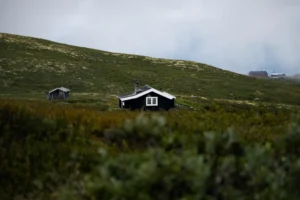
Designing a Scandinavian style home can feel like translating the serene, light‑filled rooms of a Nordic cabin into a modern, urban setting, and the best way to start is by embracing simplicity, functionality, and sustainability from day one. By following expert tips for designing a Scandinavian style home—such as prioritizing natural light, choosing muted color palettes, and integrating energy‑efficient design—you’ll create a space that feels both cozy and timeless without unnecessary excess. For a concrete example, the 4‑Bedroom Scandinavian Modern Home Layout showcases how open‑concept living and smart insulation work hand‑in‑hand.
Why Scandinavian Design Still Resonates in 2026
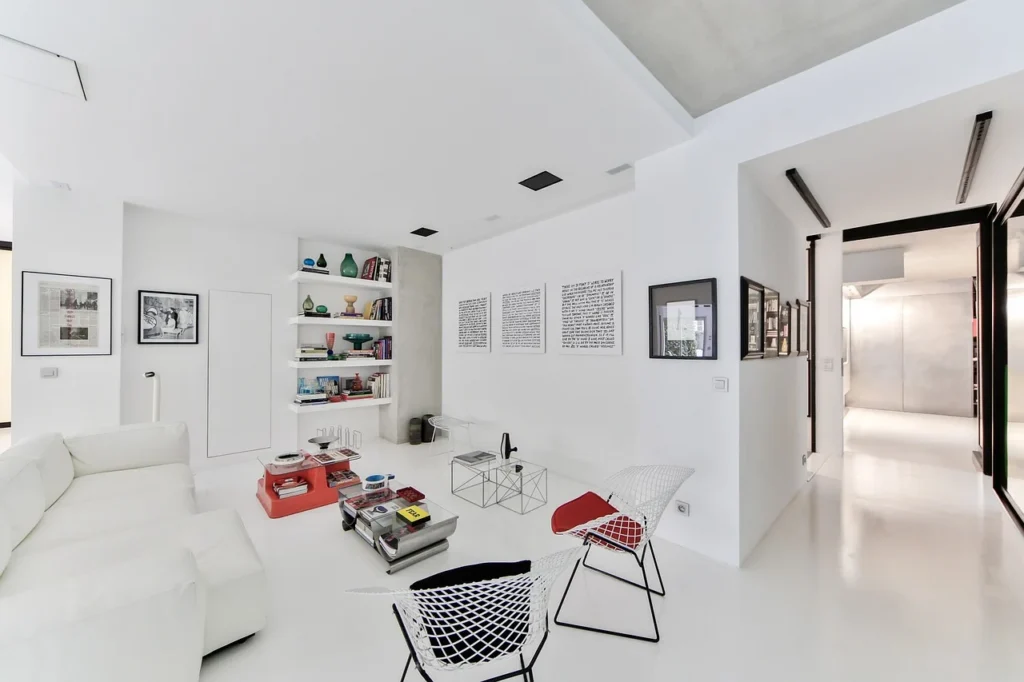
In the past year, the International Interior Design Association reported a 23 % rise in demand for minimalist interiors across North America, driven largely by the pandemic‑induced desire for calm, clutter‑free environments. The hallmark of Scandinavian architecture—light, airy spaces paired with functional furniture—meets this demand perfectly. Moreover, the region’s longstanding emphasis on sustainable living aligns with today’s climate‑aware building codes, making the style not just aesthetically pleasing but also future‑proof.
Core Principles to Anchor Your Design
1. Harness Natural Light
Scandinavian homes historically maximize daylight to combat long, dark winters. Install large, unobstructed windows, preferably floor‑to‑ceiling, and avoid heavy drapery. If privacy is a concern, opt for sheer linen curtains that diffuse rather than block light. According to a 2025 study by the Nordic Building Research Council, homes with high daylight factor scores experience a 15 % reduction in artificial lighting energy consumption.
Table of Contents
2. Embrace a Neutral Color Palette
The muted tones of whites, greys, and soft blues serve as a blank canvas for texture and natural materials. Paint walls in cool whites or light greys, and use warm wood tones for flooring and furniture to add depth without overwhelming the senses. This subtle contrast is a hallmark of minimalist interiors, letting the architecture speak for itself.
3. Prioritize Energy‑Efficient Design
Energy efficiency isn’t an afterthought in Scandinavian design; it’s built into the walls. Incorporate high‑performance insulation, triple‑glazed windows, and airtight construction to achieve a low heating demand. The Energy‑Efficient Scandinavian Home Designs guide highlights how modern HVAC systems, combined with passive solar gain, can cut heating bills by up to 30 % compared with conventional homes.
4. Choose Nordic Materials
Natural wood, stone, and wool are staples in Nordic architecture. Light oak or pine flooring not only reflects light but also ages gracefully, adding a lived‑in feel. Pair these with wool throws, linen upholstery, and simple ceramic tiles to keep the space tactile and inviting.
5. Keep the Layout Open and Functional
Open‑concept floor plans are central to creating a spacious atmosphere. By removing unnecessary walls, you allow light to flow freely and make the home feel larger than its footprint. The Scandinavian Duplex House Plan Layout Ideas illustrates how a two‑level design can still maintain an uninterrupted visual flow between living, dining, and kitchen areas.