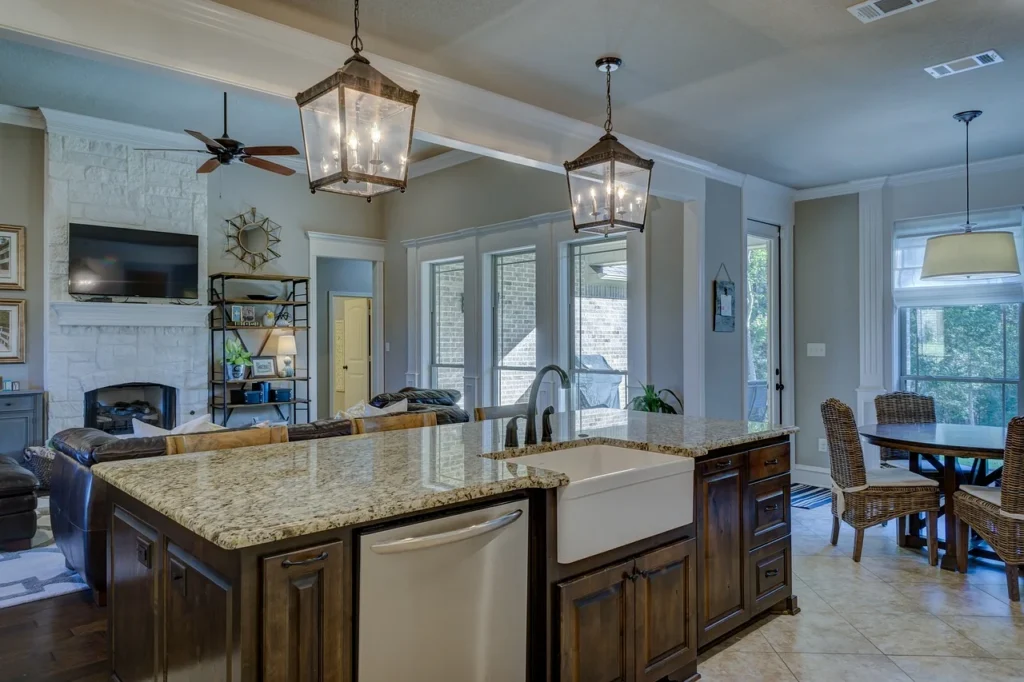
Looking to merge the charm of a farmhouse with the convenience of an outdoor kitchen, the fastest route is to start with a floor plan that deliberately carves out a dedicated cooking space beside the main living area. This approach not only maximizes entertaining potential but also preserves the relaxed, rural vibe that modern farmhouse enthusiasts crave. By positioning the outdoor cooking area near a covered back porch and integrating it with an open‑concept farmhouse layout, homeowners can enjoy year‑round meals under the sky while keeping energy use in check—a balance highlighted in the mudroom and laundry room guide.
Why an Outdoor Kitchen Complements a Modern Farmhouse
Recent data from the National Association of Home Builders (NAHB) 2026 Housing Trends Report shows that 42 % of new single‑family homes now include an outdoor cooking area, up from 28 % in 2022. Several factors drive this surge:
- Entertaining culture: Families spend 30 % more time hosting gatherings outdoors than they did five years ago (Survey by Houzz 2025).
- Energy‑efficient design: Cooking outdoors reduces indoor heat load, cutting HVAC demand by an estimated 5‑7 % during summer months.
- Lifestyle alignment: The farmhouse aesthetic celebrates a connection to land, and an outdoor kitchen extends that relationship into the backyard.
When paired with classic farmhouse elements—exposed beams, large sliding barn doors, and a spacious covered back porch—the outdoor kitchen becomes a natural extension rather than an afterthought.
Table of Contents
Key Design Elements for Seamless Integration

1. Choosing the Right Location
Placement determines usability and visual harmony. Most successful plans locate the outdoor kitchen adjacent to the main cooking zone, often through a set of large sliding barn doors that open onto a patio. This creates a fluid transition between indoor and outdoor spaces, a hallmark of open‑concept farmhouse design.
2. Materials That Blend Indoor‑Outdoor
Materials should echo the farmhouse interior while standing up to weather. Consider these combinations:
- Reclaimed wood countertops: Match interior kitchen islands while providing rustic charm.
- Stone or brick pizza ovens: Echo the farmhouse’s exposed brick walls.
- Stainless‑steel appliances: Offer durability and a sleek contrast to natural textures.
3. Cover and Shelter
A covered back porch—whether a traditional gable roof or a modern pergola with retractable canvas—protects the cooking area from rain and harsh sun. According to the U.S. Department of Energy (DOE) 2025 Climate‑Smart Home Guide, a well‑insulated porch can reduce seasonal heating and cooling costs by up to 12 %.
4. Lighting and Utilities
Install weather‑rated LED fixtures for energy efficiency and consider a dedicated outdoor breaker panel to power grills, refrigerators, and lighting without overloading the main circuit. A simple tip from the 2026 Energy Star Outdoor Cooking Checklist: route all wiring through conduit and seal penetrations to prevent moisture ingress.
Real‑World Farmhouse Plans That Nail the Outdoor Kitchen