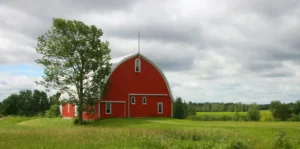
Seeing theory in action helps translate ideas into reality. Below are three plan types that already incorporate outdoor cooking spaces, each with its own twist on modern farmhouse living.
Plan A: The Covered Porch & Kitchen Combo
This layout features a covered back porch that runs the full width of the house, with a built‑in grill station, sink, and countertop extending from the indoor kitchen through a set of large sliding barn doors. The open‑concept living room flows directly onto the porch, allowing guests to move from the dining table to the grill without missing a beat.
Plan B: Mudroom‑Connected Outdoor Kitchen
Integrating the mudroom and laundry room with the outdoor cooking area creates a practical flow for cleaning up after a barbecue. The plan positions the mudroom just off the kitchen, with a back‑door that opens onto a compact patio equipped with a gas grill and prep station. This design is highlighted in the mudroom and laundry room guide, emphasizing efficiency and low‑maintenance living.
Table of Contents
Plan C: Large Sliding Barn Doors as the Pivot Point
For homeowners who love dramatic transitions, the large sliding barn doors serve as both a visual focal point and a functional gateway. When opened, the doors reveal a fully equipped outdoor kitchen that mirrors the indoor layout, creating a symmetrical feel that’s perfect for photo‑ready gatherings.
Energy‑Smart Tips for Outdoor Cooking Spaces
While the outdoor kitchen adds fun, it also presents opportunities to boost overall home efficiency.
- Solar‑powered appliances: Install a small photovoltaic panel on the porch roof to run low‑draw lighting and a ventless refrigerator.
- Insulated countertops: Use a thin layer of rigid foam beneath stone surfaces to reduce heat transfer to the ground, preserving cooler soil temperatures in summer.
- Smart grilling controllers: Devices that sync with mobile apps can optimize fuel usage, cutting propane consumption by up to 15 % (EPA 2025 study).
- Rainwater harvesting: Capture runoff from the porch roof to flush the outdoor sink, decreasing municipal water demand.
Common Pitfalls and How to Avoid Them
Even seasoned designers can stumble when adding an outdoor kitchen to a farmhouse plan. Here are the most frequent errors and practical fixes.
Pitfall 1: Ignoring Wind Direction
Placing a grill on the leeward side of the house can cause smoke to drift into indoor living spaces. Solution: Position the cooking zone on the side that receives prevailing breezes, or install a vent hood with a built‑in smoke extractor.
Pitfall 2: Overlooking Drainage
Water pooling around the prep area can damage cabinets and stone surfaces. Ensure the patio slopes at least 2 % away from the house and incorporate a French drain if the site is flat.