Case Study 2: Urban Loft with Vaulted Ceilings
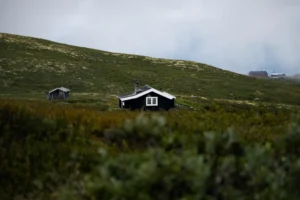
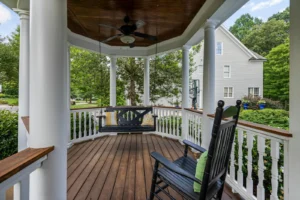
In Copenhagen’s bustling Østerbro district, a compact 1,200‑sq‑ft loft showcases a natural wood cladding system that wraps the entire building. The vaulted ceilings inside echo the exterior’s horizontal board lines, creating visual harmony. As highlighted in Scandinavian home design with vaulted ceilings, this design maximizes light‑filled luxury while maintaining a modest footprint.
Step‑by‑Step Guide to Planning Your Wood‑Clad Scandinavian Home
Step 1: Choose the Right Timber Species
For a natural wood exterior, select species that balance aesthetics and performance. Larch offers a golden hue and high rot resistance, while spruce provides a lighter tone and ease of finishing. Ensure the wood is FSC‑certified to guarantee sustainable sourcing.
Step 2: Decide on Cladding Technique
Thermally modified boards are ideal for low‑maintenance exterior, as they resist moisture swelling. Opt for a tongue‑and‑groove system with concealed fasteners to preserve the sleek look and enhance weather tightness.
Table of Contents
- Case Study 2: Urban Loft with Vaulted Ceilings
- Step‑by‑Step Guide to Planning Your Wood‑Clad Scandinavian Home
- Step 1: Choose the Right Timber Species
- Step 2: Decide on Cladding Technique
- Step 3: Integrate Energy‑Saving Details
- Step 4: Plan Window Placement for Light Integration
- Step 5: Finish with Protective Yet Subtle Treatments
- Common Mistakes and How to Avoid Them
- Future Trends Shaping Wood‑Clad Scandinavian Homes
- Frequently Asked Questions
- Is a natural wood exterior suitable for harsh winter climates?
Step 3: Integrate Energy‑Saving Details
Install an insulated sheathing layer (R‑value of at least 3.5) behind the cladding. Combine this with a high‑performance vapor barrier and airtight sealing around windows and doors. The result supports passive house certification and reduces long‑term energy costs.
Step 4: Plan Window Placement for Light Integration
Map out large, north‑facing windows to capture diffused daylight, a common strategy in Nordic design. South‑facing glazing should be modest to avoid overheating in summer, complemented by external shading devices made from the same wood to maintain visual continuity.
Step 5: Finish with Protective Yet Subtle Treatments
A low‑VOC, water‑based stain or oil preserves the wood’s natural color while providing a protective layer. Reapply every 5‑7 years, depending on exposure, to keep the façade looking fresh without intensive upkeep.
Common Mistakes and How to Avoid Them
- Choosing untreated wood: Untreated timber is vulnerable to rot and insect damage, especially in humid climates. Always use treated or thermally modified wood.
- Neglecting ventilation: A solid wood exterior can trap moisture if not properly ventilated. Incorporate a rain screen system to allow air circulation.
- Over‑glazing: Excessive window area can lead to heat loss in winter and gain in summer. Balance glazing with insulated wall sections.
- Ignoring local building codes: Some municipalities require fire‑rated cladding. Verify compliance before finalizing material choices.
Future Trends Shaping Wood‑Clad Scandinavian Homes
As climate awareness rises, architects are exploring bio‑based composites that mimic wood’s aesthetic while offering enhanced durability. Additionally, smart façade systems equipped with sensors can monitor moisture levels and trigger maintenance alerts, further reducing upkeep. The trend toward modular, prefabricated wood panels is also gaining momentum, allowing faster construction without sacrificing the handcrafted feel.
Frequently Asked Questions
Is a natural wood exterior suitable for harsh winter climates?
Yes. Properly treated or thermally modified wood, combined with a rain‑screen and insulated sheathing, performs exceptionally well in sub‑zero temperatures, providing both insulation and breathability.