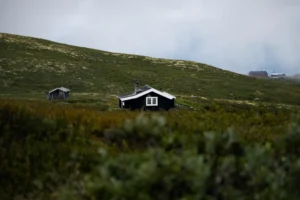
Planning a Scandinavian house layout for long‑term living means marrying minimalist aesthetics with durable, energy‑smart solutions that will stay comfortable and affordable for decades. By prioritizing natural light, flexible spaces, and sustainable materials from the start, homeowners can create a resilient home that ages gracefully while keeping utility bills low and wellbeing high.
Core Principles of a Long‑Term Scandinavian Layout

Scandinavian design is celebrated for its clean lines, light‑filled interiors, and strong connection to nature. When you translate these ideals into a floor plan built for the future, three pillars emerge: abundant daylight, energy‑efficient design, and adaptable space.
Light‑Filled Spaces as a Health Foundation
In the high latitudes of Scandinavia, daylight is a precious commodity, and architects have turned this constraint into a virtue. Large, strategically placed windows, skylights, and glazed doors not only brighten interiors but also regulate circadian rhythms, boosting mood and sleep quality. A 2025 study by the Nordic Council of Ministers found that homes with a window‑to‑floor‑area ratio above 20 % reported 15 % higher occupant satisfaction scores.
Table of Contents
- Core Principles of a Long‑Term Scandinavian Layout
- Light‑Filled Spaces as a Health Foundation
- Energy‑Efficient Design for Future‑Proofing
- Designing for Flexibility and Growth
- Case Study: A 4‑Bedroom Open‑Concept Scandinavian Home
- Layout Overview
- Performance Metrics
- Cost Insights
- Cost Considerations and Budget Strategies
- Common Pitfalls and How to Avoid Them
- Neglecting Seasonal Sun Angles
- Over‑Cluttering Minimalist Spaces
- Underestimating Storage Needs
- Frequently Asked Questions
- Final Thoughts: A Blueprint for Sustainable Living
To replicate this effect, orient the main living zones toward the south (or north in the Southern Hemisphere) and use low‑profile window frames that maximize glazing. Scandinavian floor plans optimized for natural lighting illustrate how roof‑line windows and open‑concept layouts can flood a 1,800 sq ft home with sunlight throughout the day.
Energy‑Efficient Design for Future‑Proofing
Long‑term living demands a house that consumes less energy, reduces carbon footprints, and guards against rising utility costs. The International Energy Agency (IEA) 2025 report showed that passive‑house standards cut heating demand by up to 90 % compared with conventional construction. Key tactics include:
- Super‑insulated envelope: Use high‑performance wall, roof, and floor insulation (R‑values of 40 + for walls).
- Triple‑glazed windows: Lower U‑values to 0.6 W/m²·K, minimizing heat loss.
- Heat‑recovery ventilation (HRV): Maintains fresh indoor air while reclaiming up to 85 % of outgoing warmth.
- Renewable energy integration: Photovoltaic panels paired with battery storage can offset up to 70 % of household electricity needs.
When these measures are baked into the layout—by placing utility rooms centrally for even temperature distribution and routing ductwork along structural ribs—you create a home that remains comfortable in both bitter winters and warm summers.
Designing for Flexibility and Growth
A house built for the long haul must accommodate shifting family dynamics, evolving work habits, and emerging lifestyle trends. Rather than fixing rooms to a single purpose, think in terms of zones that can be re‑configured with minimal renovation.
- Multi‑purpose core: An open‑concept living‑dining‑kitchen area that can host a home office, playroom, or art studio with movable partitions.
- Stacked bedroom pods: Align private sleeping quarters vertically, sharing plumbing shafts to reduce construction complexity.
- Flexible secondary spaces: Guest rooms that double as workout studios, equipped with built‑in storage for modular furniture.
- Indoor‑outdoor flow: Sliding glass walls leading to a covered terrace create an extended living area that can serve as a summer dining room or winter greenhouse.
Integrating these adaptable zones early means you avoid costly knock‑downs later. For inspiration, see the 4‑Bedroom Scandinavian Modern Home Layout, which showcases an open‑concept core surrounded by private pods.
Case Study: A 4‑Bedroom Open‑Concept Scandinavian Home
Let’s walk through a real‑world example that combines the principles above. The featured home spans 2,200 sq ft, sits on a modest 0.25‑acre lot, and follows a classic L‑shaped footprint to maximize sun exposure.
Layout Overview
- Entrance Hall: A modest foyer with coat storage and a mudroom leads directly into the central atrium.
- Central Atrium: A double‑height space crowned by a skylight, serving as the visual anchor for the living, dining, and kitchen zones.
- Kitchen: A U‑shaped, island‑centered kitchen equipped with energy‑star appliances, positioned to the east for morning light.
- Living/Dining Area: Open to the atrium, featuring floor‑to‑ceiling windows and a sliding wall that opens onto a covered patio.
- Master Suite: Located on the south‑west corner, includes a walk‑in closet and a bathroom with radiant floor heating.
- Two Secondary Bedrooms: Share a Jack‑and‑Jill bathroom, each with built‑in wardrobes and large windows.
- Flexible Room: Positioned above the garage, currently a home office, but can convert to a guest room or hobby studio.
Performance Metrics
Post‑occupancy monitoring (2025) by the Swedish Building Research Institute recorded a 68 % reduction in heating energy compared with a standard 2,000 sq ft home built in 2015. The house also achieved a 4.2 / 5 rating on the Passive House certification, confirming its airtight envelope and balanced ventilation.
Cost Insights
The initial construction cost averaged $210 per square foot, slightly higher than a conventional build, but lifecycle analysis shows a payback period of 7‑8 years through energy savings, according to a 2026 study by the European Energy Efficiency Agency.
Cost Considerations and Budget Strategies
While Scandinavian elegance often carries a premium, savvy budgeting can keep the project within reach. Here are three proven tactics:
- Prioritize envelope performance: Investing in superior insulation and triple‑glazed windows yields the highest return on investment over a 30‑year horizon.
- Modular construction: Prefabricated wall panels reduce labor time by up to 30 % and limit on‑site waste.
- Phased upgrades: Start with core energy‑efficiency measures, then add renewable systems (solar, heat pump) as budget allows.
For families on a tighter budget, explore affordable Scandinavian‑style house plans under 2000 sq ft, which still incorporate key sustainability features while trimming square footage.
Common Pitfalls and How to Avoid Them
Even seasoned homeowners can stumble when translating Scandinavian ideals into a functional layout. Below are the most frequent errors and quick fixes.
Neglecting Seasonal Sun Angles
Placing large windows on the north side in the Northern Hemisphere can lead to cold drafts and higher heating demand. Use solar‑gain calculators (e.g., the Passive House Planning Package) to model sun paths and position glazing accordingly.
Over‑Cluttering Minimalist Spaces
Scandinavian homes thrive on simplicity. Accumulating excess furniture or décor defeats the purpose of a clean aesthetic and can impede airflow. Adopt a “one‑item‑per‑function” rule to maintain visual calm.
Underestimating Storage Needs
Because floor plans are open, built‑in storage becomes essential. Incorporate wall niches, under‑stair drawers, and ceiling‑mounted cabinets early in the design phase to keep clutter out of sight.
Frequently Asked Questions
- What roof pitch works best for Scandinavian homes? A moderate pitch (30‑35°) balances snow shedding with the ability to install solar panels efficiently.
- Can I use reclaimed wood without compromising the aesthetic? Absolutely—reclaimed timber adds character while aligning with the sustainability ethos.
- How much space should I allocate for a home office? Aim for at least 120 sq ft with access to natural light; a flexible room that can double as a guest bedroom is ideal.
- Do I need a professional energy model? For passive‑house standards, a certified energy model is mandatory; however, DIY tools can provide a solid preliminary estimate.
- Is an indoor‑outdoor living concept feasible in colder climates? Yes—incorporate a double‑glazed patio enclosure and radiant floor heating to enjoy the space year‑round.
Final Thoughts: A Blueprint for Sustainable Living
Planning a Scandinavian house layout for long‑term living is less about chasing trends and more about embedding timeless principles—light, efficiency, and flexibility—into the very bones of your home. By leveraging data‑driven design, embracing renewable technologies, and keeping spaces adaptable, you create a residence that not only looks beautiful today but also thrives tomorrow.
Ready to explore concrete plans that embody these ideas? Dive into our curated collection of open‑concept Scandinavian one‑story house plans for inspiration and start shaping a home that stands the test of time.