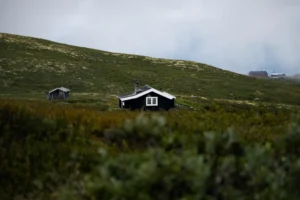
Scandinavian homes with indoor‑outdoor living concept blend crisp Nordic minimalism with nature‑focused openness, letting sunlight, fresh air, and views become integral parts of daily life. Homeowners seeking this seamless transition benefit from large glass panels, flexible sliding doors, and strategic layout choices that blur the line between living room and garden, while still honoring energy‑efficiency and climate resilience. For a practical roadmap, explore efficient Scandinavian home designs that maximize space without sacrificing style, and discover how modern floor plans make indoor‑outdoor flow effortless.
Why Indoor‑Outdoor Living is the Hallmark of Modern Scandinavian Design
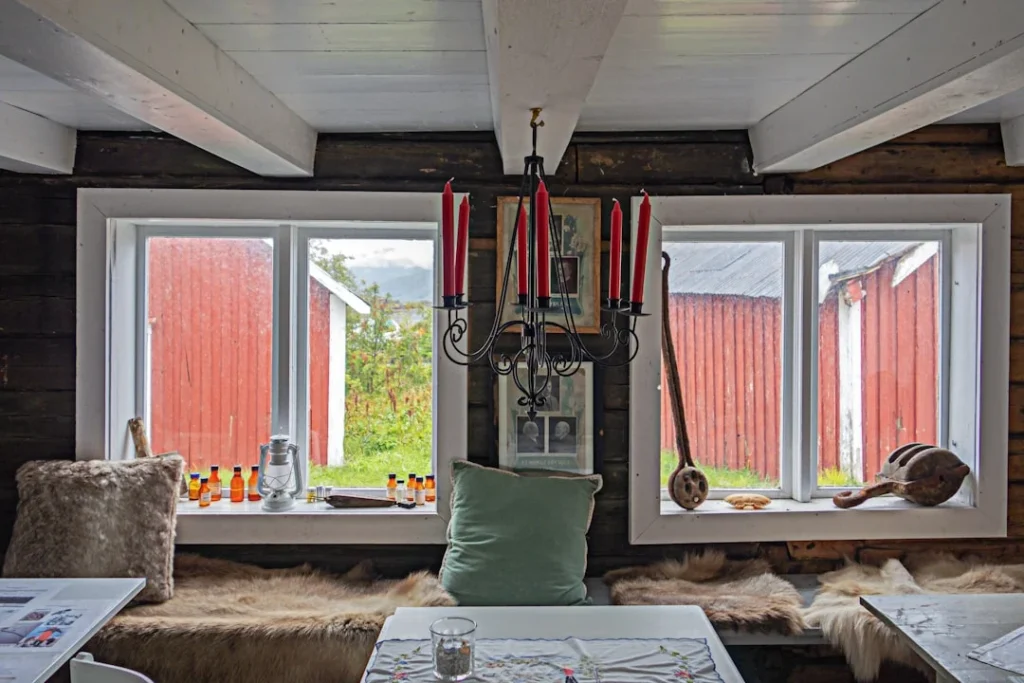
In the Nordic region, daylight is a precious commodity, especially during long winter months. Architects therefore design homes that capture as much natural light as possible, using floor‑to‑ceiling windows and open floor plans that extend the living area into the surrounding landscape. This approach not only elevates well‑being but also reduces reliance on artificial lighting, aligning with the sustainability goals championed by the Sustainable Scandinavian House Plans Guide. By merging interior comfort with exterior freshness, indoor‑outdoor living creates a biophilic environment that research from the University of Oslo (2025) links to lower stress levels and higher productivity.
Core Design Elements That Make Indoor‑Outdoor Flow Work
1. Expansive Glass Walls and Sliding Panels
Large glass walls act as visual bridges, offering uninterrupted vistas of forests, lakes, or urban rooftops. Modern sliding panels—often with triple‑pane, low‑E coating—provide thermal insulation comparable to conventional walls, meeting Passive House standards while still allowing a “seamless transition” between spaces.
Table of Contents
- Why Indoor‑Outdoor Living is the Hallmark of Modern Scandinavian Design
- Core Design Elements That Make Indoor‑Outdoor Flow Work
- 1. Expansive Glass Walls and Sliding Panels
- 2. Open‑Concept Layouts
- 3. Covered Porches and Roof Overhangs
- 4. Sustainable Materials and Green Roofs
- Case Study: A 4‑Bedroom Scandinavian Modern Home Embracing Indoor‑Outdoor Living
- Practical Steps to Design Your Own Indoor‑Outdoor Scandinavian Home
- Common Pitfalls and How to Avoid Them
- Over‑Glazing Without Proper Insulation
- Neglecting Seasonal Comfort
- Ignoring Local Building Codes
- Cost Insights: What to Expect in 2026
- Future Trends: The Next Wave of Indoor‑Outdoor Innovation
- FAQ
- Can indoor‑outdoor living work in colder climates?
- Do I need a large lot to create a seamless indoor‑outdoor flow?
- How does indoor‑outdoor living affect resale value?
- Conclusion: Embrace the Nordic Way of Living
2. Open‑Concept Layouts
An open‑concept floor plan eliminates unnecessary partitions, letting the kitchen, dining, and living areas flow into a patio or deck. This spatial continuity supports flexible furniture arrangements and encourages family interaction, a hallmark of the relaxed yet functional Scandinavian lifestyle.
3. Covered Porches and Roof Overhangs
Strategically placed roof overhangs protect outdoor zones from rain and snow, extending usable outdoor time year‑round. Covered porches serve as semi‑indoor spaces—ideal for a coffee nook in summer or a cozy reading spot in winter when paired with a radiant floor heating system.
4. Sustainable Materials and Green Roofs
Using locally sourced timber, reclaimed brick, and natural stone reinforces the Nordic ethos of ecological responsibility. Green roofs, which can support native sedums or moss, further integrate the building with its environment and improve insulation performance—a trend highlighted in the 2026 European Green Building Index.
Case Study: A 4‑Bedroom Scandinavian Modern Home Embracing Indoor‑Outdoor Living
The 4‑Bedroom Scandinavian Modern Home Layout illustrates how a family of five can enjoy indoor‑outdoor harmony without sacrificing privacy. The ground floor features a central great room anchored by a wall of sliding glass doors that open onto a timber deck overlooking a small woodland. A kitchen island faces the outdoor cooking zone, enabling the chef to keep an eye on children playing outside. The master suite, situated on the opposite side of the house, includes a private balcony with insulated glass, providing a tranquil retreat even in winter.
Energy modeling by the Nordic Energy Agency (2025) shows that the home’s passive‑solar gains offset up to 30% of heating demand, thanks to the strategic placement of glazing and thermal mass in the floor slab.
Practical Steps to Design Your Own Indoor‑Outdoor Scandinavian Home
- Site Analysis First: Identify the dominant views, sun paths, and prevailing winds. Position large windows on the south‑facing side for maximum daylight.
- Choose the Right Glazing: Triple‑pane, argon‑filled glass with low‑emissivity coating offers up to 45% better insulation than standard double‑pane units.
- Plan Flexible Transition Zones: Incorporate sliding doors that can be fully retracted, allowing the interior to “expand” onto a deck, patio, or garden.
- Integrate Sustainable Systems: Pair large windows with heat‑recovery ventilation, radiant floor heating, and smart shading to keep energy use low.
- Landscape with Purpose: Use native plants, permeable paving, and rain gardens to manage runoff while reinforcing the natural aesthetic.
Common Pitfalls and How to Avoid Them
Over‑Glazing Without Proper Insulation
While floor‑to‑ceiling windows look spectacular, they can become thermal bridges if not paired with high‑performance frames. Opt for thermally broken aluminum or wood‑clad frames to maintain the building envelope’s integrity.
Neglecting Seasonal Comfort
Scandinavian homes must stay comfortable during both summer heatwaves and sub‑zero winters. Incorporate adjustable external shading—such as pergolas with retractable louvers—and interior blinds that can be automated based on sensor data.
Ignoring Local Building Codes
U.S. adaptations of Scandinavian design must respect regional codes, especially regarding energy efficiency and fire safety. The Building Codes to Consider for Scandinavian House Designs in the US guide provides a concise overview of the most relevant regulations, including the International Energy Conservation Code (IECC) updates of 2024.
Cost Insights: What to Expect in 2026
According to the latest “Realistic Construction Costs for Scandinavian House Plans” (2025), a 2,500‑sq‑ft indoor‑outdoor home in the Pacific Northwest averages $320 per square foot, reflecting premium glazing and sustainable materials. However, tax incentives for energy‑efficient construction can offset up to 15% of the total cost, making the investment more attractive for eco‑conscious buyers.
Future Trends: The Next Wave of Indoor‑Outdoor Innovation
By 2027, smart glass that automatically tint in response to sunlight intensity is projected to become mainstream, further enhancing indoor‑outdoor synergy without manual shading. Additionally, modular “pop‑up” pergolas equipped with solar panels are emerging, turning outdoor decks into auxiliary power generators—a perfect complement to the energy‑smart ethos of Scandinavian homes.
FAQ
Can indoor‑outdoor living work in colder climates?
Yes. Using triple‑pane glazing, insulated sliding doors, and thermal break frames ensures the interior stays warm while still providing expansive views.
Do I need a large lot to create a seamless indoor‑outdoor flow?
Not necessarily. Even compact urban sites can benefit from vertical gardens, rooftop terraces, and fold‑away glass walls that expand the perceived space.
How does indoor‑outdoor living affect resale value?
Homes with well‑executed indoor‑outdoor connections often command a premium of 7‑10% higher than comparable properties, according to a 2026 report by the National Association of Home Builders.
Conclusion: Embrace the Nordic Way of Living
Scandinavian homes with indoor‑outdoor living concept offer a timeless blend of simplicity, sustainability, and connection to nature. By applying thoughtful glazing, open‑concept layouts, and environmentally friendly materials, you can create a residence that feels both expansive and energy‑smart. Whether you’re drafting a new build or retrofitting an existing property, these principles—backed by the latest data and industry insights—ensure your home remains a haven of comfort and style for years to come.
Looking for deeper insights on space efficiency? Check out Compact Scandinavian Floor Plans for Urban Living. For guidance on budgeting, the Realistic Construction Costs for Scandinavian House Plans article breaks down cost drivers and savings opportunities.
For a comprehensive overview of biophilic design principles, see the Wikipedia entry on Biophilic Design.
[Metadata]