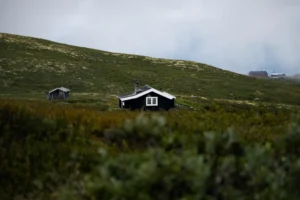
Practical Steps to Design Your Own Indoor‑Outdoor Scandinavian Home
- Site Analysis First: Identify the dominant views, sun paths, and prevailing winds. Position large windows on the south‑facing side for maximum daylight.
- Choose the Right Glazing: Triple‑pane, argon‑filled glass with low‑emissivity coating offers up to 45% better insulation than standard double‑pane units.
- Plan Flexible Transition Zones: Incorporate sliding doors that can be fully retracted, allowing the interior to “expand” onto a deck, patio, or garden.
- Integrate Sustainable Systems: Pair large windows with heat‑recovery ventilation, radiant floor heating, and smart shading to keep energy use low.
- Landscape with Purpose: Use native plants, permeable paving, and rain gardens to manage runoff while reinforcing the natural aesthetic.
Common Pitfalls and How to Avoid Them
Over‑Glazing Without Proper Insulation
While floor‑to‑ceiling windows look spectacular, they can become thermal bridges if not paired with high‑performance frames. Opt for thermally broken aluminum or wood‑clad frames to maintain the building envelope’s integrity.
Neglecting Seasonal Comfort
Scandinavian homes must stay comfortable during both summer heatwaves and sub‑zero winters. Incorporate adjustable external shading—such as pergolas with retractable louvers—and interior blinds that can be automated based on sensor data.
Ignoring Local Building Codes
U.S. adaptations of Scandinavian design must respect regional codes, especially regarding energy efficiency and fire safety. The Building Codes to Consider for Scandinavian House Designs in the US guide provides a concise overview of the most relevant regulations, including the International Energy Conservation Code (IECC) updates of 2024.
Table of Contents
- Practical Steps to Design Your Own Indoor‑Outdoor Scandinavian Home
- Common Pitfalls and How to Avoid Them
- Over‑Glazing Without Proper Insulation
- Neglecting Seasonal Comfort
- Ignoring Local Building Codes
- Cost Insights: What to Expect in 2026
- Future Trends: The Next Wave of Indoor‑Outdoor Innovation
- FAQ
- Can indoor‑outdoor living work in colder climates?
- Do I need a large lot to create a seamless indoor‑outdoor flow?
- How does indoor‑outdoor living affect resale value?
Cost Insights: What to Expect in 2026
According to the latest “Realistic Construction Costs for Scandinavian House Plans” (2025), a 2,500‑sq‑ft indoor‑outdoor home in the Pacific Northwest averages $320 per square foot, reflecting premium glazing and sustainable materials. However, tax incentives for energy‑efficient construction can offset up to 15% of the total cost, making the investment more attractive for eco‑conscious buyers.
Future Trends: The Next Wave of Indoor‑Outdoor Innovation
By 2027, smart glass that automatically tint in response to sunlight intensity is projected to become mainstream, further enhancing indoor‑outdoor synergy without manual shading. Additionally, modular “pop‑up” pergolas equipped with solar panels are emerging, turning outdoor decks into auxiliary power generators—a perfect complement to the energy‑smart ethos of Scandinavian homes.
FAQ
Can indoor‑outdoor living work in colder climates?
Yes. Using triple‑pane glazing, insulated sliding doors, and thermal break frames ensures the interior stays warm while still providing expansive views.
Do I need a large lot to create a seamless indoor‑outdoor flow?
Not necessarily. Even compact urban sites can benefit from vertical gardens, rooftop terraces, and fold‑away glass walls that expand the perceived space.
How does indoor‑outdoor living affect resale value?
Homes with well‑executed indoor‑outdoor connections often command a premium of 7‑10% higher than comparable properties, according to a 2026 report by the National Association of Home Builders.