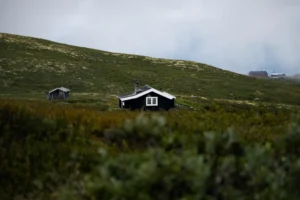
If you’re searching for a Scandinavian house plan that slashes heating costs while preserving the light‑filled, minimal aesthetic, the answer lies in marrying passive‑solar orientation, high‑performance thermal insulation, and integrated renewable technologies. By following proven energy‑saving principles, you can enjoy the cozy comfort of a Nordic home without the sky‑high utility bills – and the open‑floor Scandinavian designs showcase exactly how this balance works in practice.
Core Energy‑Saving Strategies in Scandinavian Designs
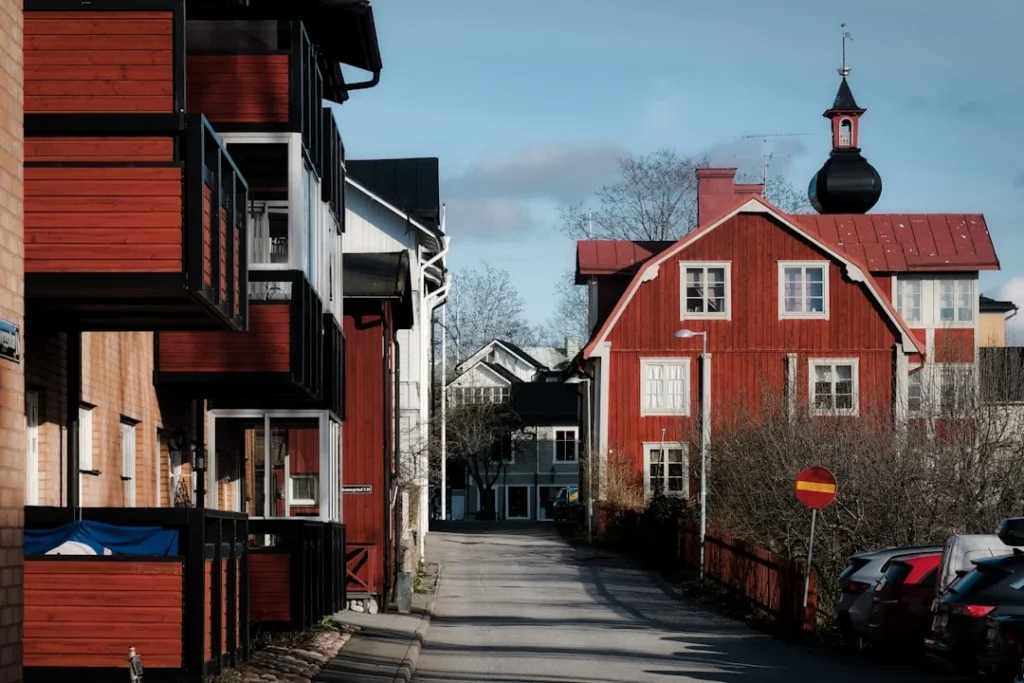
Scandinavian architecture has long emphasized simplicity, natural light, and a close relationship with the outdoors. Modern energy‑saving features amplify these traditions, turning a beautiful home into a low‑energy powerhouse.
1. Passive‑House Standards
Adhering to passive‑house (PH) criteria means the building envelope is so airtight and well‑insulated that heating demand drops by up to 90 % compared with conventional construction. According to the Passive House Institute 2025 report, over 12 000 PH homes were completed in Europe last year, achieving an average annual heating consumption of just 12 kWh/m².
Table of Contents
2. Solar‑Ready Roofs and Facades
Strategically angled roofs and south‑facing façades create optimal conditions for photovoltaic (PV) panels and solar thermal collectors. The International Energy Agency (IEA) 2026 data shows that a well‑oriented solar array can cover 45‑60 % of a typical Scandinavian household’s electricity needs, especially when paired with net‑metering policies in Nordic countries.
3. Triple‑Glazed Windows and Daylight Harvesting
Large, triple‑glazed windows with low‑emissivity (Low‑E) coatings trap heat while allowing abundant daylight. A 2025 study by the Swedish Energy Agency revealed that homes with high‑performance glazing experienced a 30 % reduction in lighting energy thanks to daylight‑responsive sensors that dim artificial lights when natural light is sufficient.
Real‑World Example: Open‑Floor and Minimalist Plans
The open‑floor Scandinavian house plans illustrate how flexible spaces can be combined with energy‑smart features. These layouts typically include a central living core surrounded by floor‑to‑ceiling windows, a compact mechanical room for heat‑recovery ventilation, and pre‑wired conduit for solar inverter installation.
For those who prefer an even sleeker silhouette, the minimalist Scandinavian house plans with large windows emphasize a pared‑down footprint, minimal interior walls, and a roofline that doubles as a solar‑panel platform. Both designs prioritize a low thermal bridge profile, meaning heat loss through structural connections is kept to a minimum.
Step‑by‑Step Guide to Choosing an Energy‑Smart Scandinavian Plan
- Step 1: Define Climate Zone. Use the U.S. Department of Energy climate zone map to understand heating degree days for your location; northern zones demand higher insulation R‑values.
- Step 2: Prioritize Airtightness. Look for plans that specify air‑change rates of ≤0.6 ACH@50 Pa, a common benchmark for passive‑house certification.
- Step 3: Evaluate Insulation Layers. Aim for at least R‑40 in walls, R‑60 in roofs, and continuous insulation on the building’s exterior shell.
- Step 4: Confirm Solar Compatibility. Verify that the roof pitch ranges between 30°‑45°, ideal for maximizing solar gain in northern latitudes.
- Step 5: Check for Integrated Systems. Choose designs that include space for heat‑recovery ventilators (HRV), radiant floor heating, and smart home energy management.
Common Mistakes to Avoid
Even the most thoughtfully designed plan can underperform if execution falls short. Here are pitfalls to watch out for: