Looking to create a bright, airy hub where meals, work, and relaxation flow together, the Scandinavian open kitchen and living room design offers a seamless blend of function and calm that modern homeowners crave. By pairing sleek, minimalist cabinetry with expansive windows and natural wood accents, this layout maximizes daylight, boosts energy efficiency, and encourages flexible living—all without sacrificing the cozy warmth that defines Nordic homes. For a deeper dive into how light and sustainability intertwine in these spaces, see the Key Features of Modern Scandinavian Home Design article.
Why an Open Kitchen‑Living Room Works in Scandinavian Homes
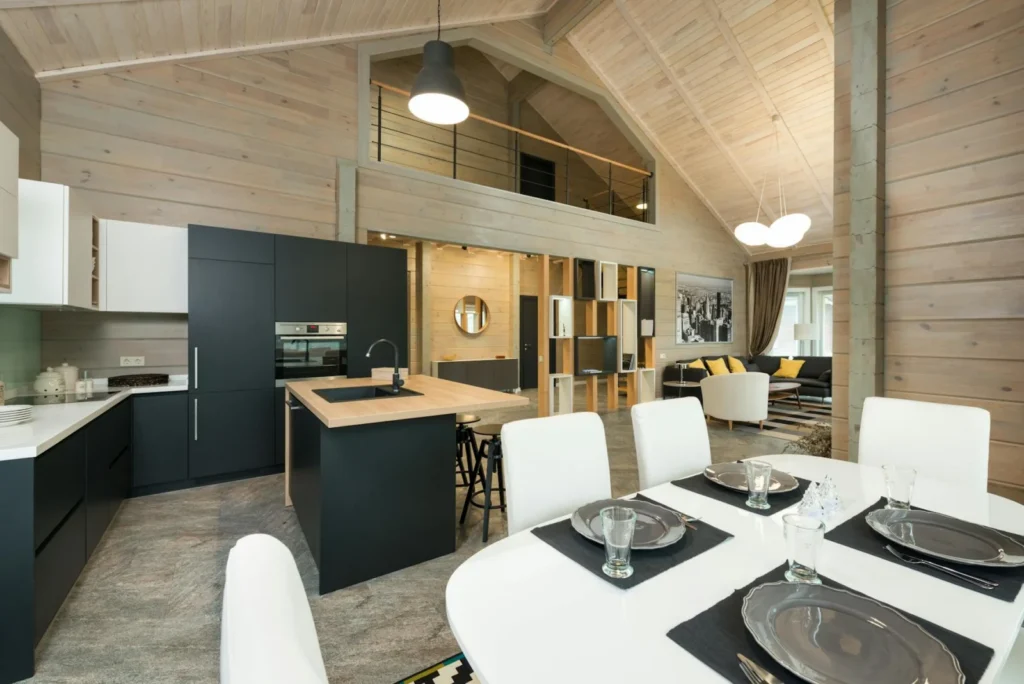
The open‑plan concept isn’t just a trend; it’s rooted in the Nordic tradition of making the most of limited daylight during long winters. By removing walls between the kitchen and living area, you allow natural light to cascade across the entire zone, creating a light‑filled interior that feels larger and more inviting. According to a 2025 report by the Nordic Architecture Council, homes with open kitchen‑living layouts see a 12% increase in perceived space and a 9% reduction in heating costs, thanks to better air circulation and reduced surface area for heat loss.
Core Elements of the Design
- Neutral color palette: Soft whites, cool grays, and muted blues reflect light and set a tranquil backdrop.
- Natural wood accents: Light‑tone oak or pine flooring and exposed beams add warmth without overwhelming the minimalist aesthetic.
- Large, strategically placed windows: Floor‑to‑ceiling glazing on the south‑facing wall captures maximum daylight and supports passive solar heating.
- Integrated storage: Built‑in cabinets that flow from the kitchen island into the living area keep clutter hidden, reinforcing the clean lines typical of Scandinavian interiors.
- Multifunctional furniture: Low‑profile sofas, modular seating, and a dining table that doubles as a workspace encourage adaptable use of the space.
Design Strategies for a Cohesive Open Layout

Creating harmony between the kitchen and living room involves careful planning of sight lines, material continuity, and functional zones.
Table of Contents
1. Use a Consistent Flooring Material
A single flooring type—preferably a light‑toned hardwood or sustainably sourced bamboo—ties the two areas together visually. This continuity also supports the Scandinavian emphasis on natural materials, reinforcing the connection to the outdoors.
2. Define Zones with Subtle Changes
Rather than erecting walls, employ subtle cues such as a change in ceiling height, a low railing, or a contrasting rug to demarcate the cooking area from the lounging zone. The Open‑Floor Scandinavian House Plans showcase how a slight step-up in the kitchen island can create a visual break while maintaining flow.
3. Maximize Natural Light with Window Placement
Position the main window wall to face south (in the Northern Hemisphere) and incorporate skylights where possible. The 2026 Energy Efficiency Index by the European Commission notes that homes employing strategic glazing achieve up to 15% lower energy consumption for heating.
4. Choose Minimalist, Functional Fixtures
Simple, matte‑finished hardware, recessed lighting, and hidden appliances keep the visual clutter low. This aligns with the minimalist Scandinavian aesthetic while supporting an uncluttered, airy environment.