When you’re looking for a farmhouse house plan that seamlessly blends rustic charm with a private backyard patio, the best approach is to choose a layout that prioritizes indoor‑outdoor flow, functional zoning, and energy‑smart features. A well‑designed plan lets you step from the kitchen straight onto a secluded patio, creating a perfect setting for family meals, weekend barbecues, or quiet sunrise coffee—without compromising on style or efficiency. For an inspiring example, see the farmhouse house plans with outdoor kitchen space, which illustrate how a dedicated patio can become the heart of a modern farmhouse design.
Why a Private Backyard Patio Matters in Modern Farmhouse Living
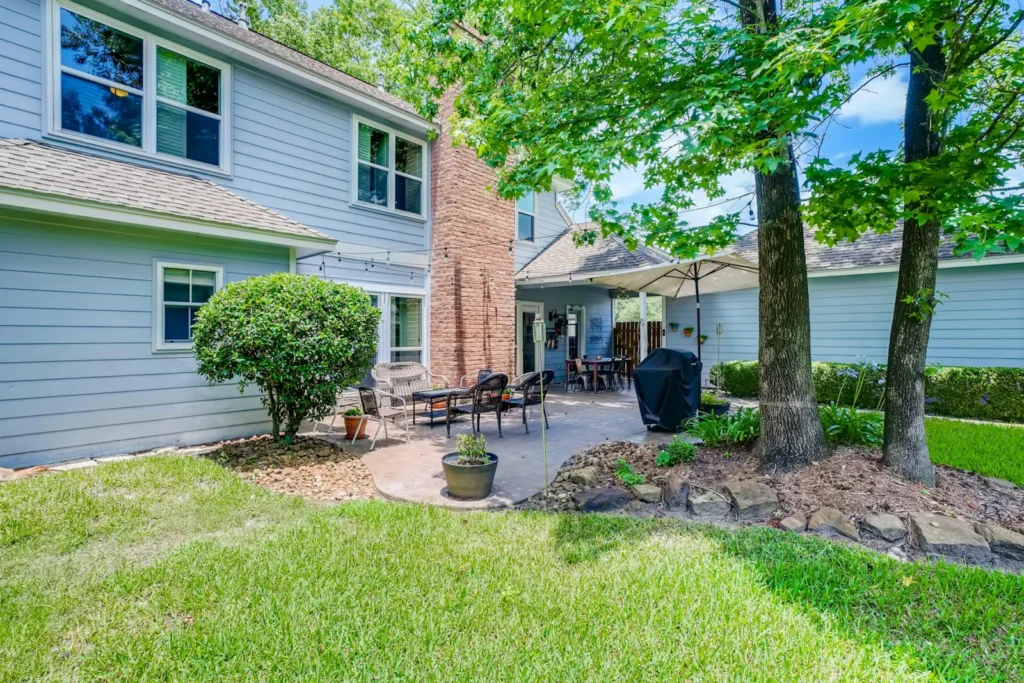
Homebuyers today value outdoor living as much as interior comfort. A private backyard patio offers:
- Extended living space: It acts as a natural extension of the great room, especially when paired with sliding barn doors or large windows.
- Seasonal versatility: With proper shading and windbreaks, the patio can be used year‑round, supporting the covered back porch trend.
- Privacy and safety: Enclosed by fences or landscaping, it shields children and pets from street traffic.
- Energy efficiency: An outdoor living area reduces the need for indoor climate control during pleasant weather, aligning with the cold‑climate farmhouse house plans that focus on smart insulation and passive solar gain.
Key Design Elements for a Private Backyard Patio
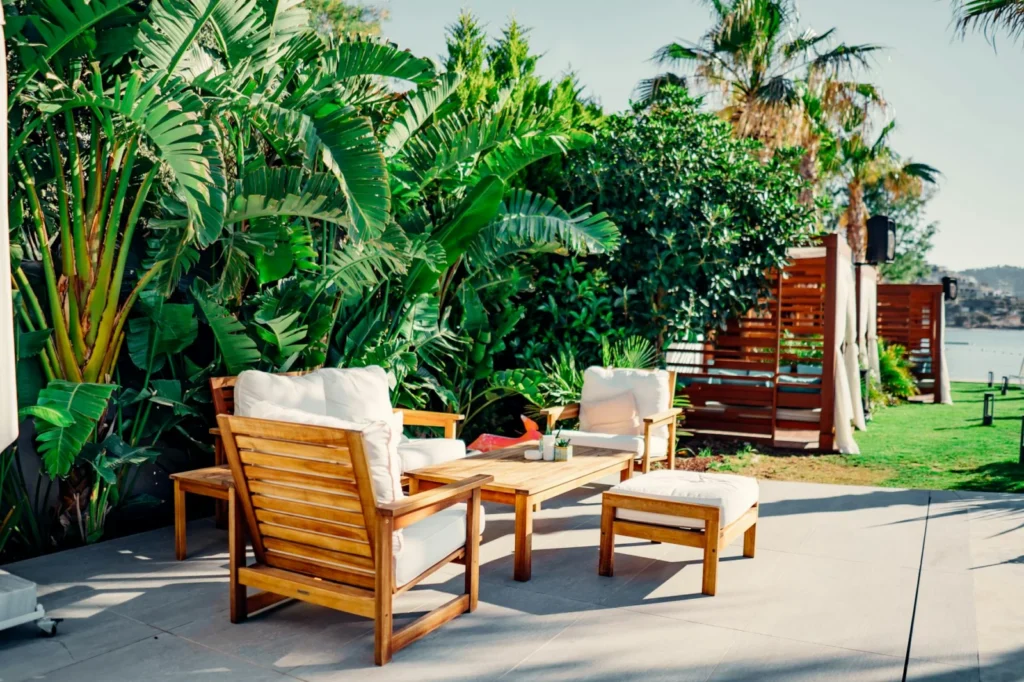
1. Seamless Indoor‑Outdoor Transition
Modern farmhouse plans often feature:
Table of Contents
- Why a Private Backyard Patio Matters in Modern Farmhouse Living
- Key Design Elements for a Private Backyard Patio
- 1. Seamless Indoor‑Outdoor Transition
- 2. Functional Zoning Around the Patio
- 3. Privacy Solutions
- 4. Weather‑Ready Features
- Energy‑Smart Considerations for Farmhouse Plans with Patios
- Case Study: A 2,200 sq ft Modern Farmhouse with a Private Backyard Patio
- Common Mistakes to Avoid When Designing Your Farmhouse Patio
- Step‑by‑Step Guide to Incorporate a Private Backyard Patio into Your Farmhouse Plan
- Step 1: Define Your Lifestyle Goals
- Step 2: Choose the Right Site Orientation
- Step 3: Select Materials That Match the Farmhouse Aesthetic
- Step 4: Integrate Energy‑Smart Features
- Step 5: Plan for Privacy and Safety
- Step 6: Review and Refine the Blueprint
- Frequently Asked Questions (FAQ)
- Can I add a private patio to an existing farmhouse floor plan?
- What size patio is ideal for a family of four?
- Do I need a permit for a backyard patio?
- How does a patio affect home resale value?
- Inspiration from Related Farmhouse Plans
- Final Thoughts: Crafting Your Dream Farmhouse with a Private Patio
- Floor‑to‑ceiling glass doors that open onto the patio, creating an unobstructed view.
- Large sliding barn doors that double as decorative elements while providing easy access.
- Consistent flooring materials (e.g., wide‑plank hardwood or polished concrete) that flow from interior to exterior.
2. Functional Zoning Around the Patio
Position the kitchen, dining area, or family room adjacent to the patio for effortless entertaining. A popular configuration places the outdoor kitchen just beyond the indoor cooking space, allowing chefs to move between grills and stovetops without missing a beat. The farmhouse house plans with outdoor kitchen space showcase this layout, enhancing both convenience and social interaction.
3. Privacy Solutions
Incorporate:
- Strategically placed hedges or evergreen screens.
- Fencing that matches the farmhouse aesthetic—think reclaimed wood or wrought iron.
- Elevated decking or a raised patio to create visual separation from neighboring properties.
4. Weather‑Ready Features
To make the patio usable in all seasons, consider:
- Retractable awnings or pergolas with adjustable louvered roofs.
- Built‑in fire pits or outdoor heaters for cooler evenings.
- Durable, slip‑resistant paving materials that stand up to rain and snow.
Energy‑Smart Considerations for Farmhouse Plans with Patios
According to the National Association of Home Builders (NAHB) 2026 Housing Trends Report, homes that integrate outdoor living spaces see a 12% reduction in heating and cooling loads when designed with proper shading and ventilation. To capitalize on this:
- Orient the patio to the north or east in hot climates, reducing direct sun exposure during peak afternoon heat.
- Use low‑emissivity (Low‑E) glazing on patio doors to minimize heat gain while preserving natural light.
- Include a rainwater harvesting system for irrigation, a feature highlighted in the ultimate guide to farmhouse plans designed for rural properties.
Case Study: A 2,200 sq ft Modern Farmhouse with a Private Backyard Patio
John and Maya, a young couple from Iowa, purchased a 2.5‑acre lot and wanted a home that honored traditional farmhouse aesthetics while offering modern comforts. They selected a plan that featured:
- A 12‑foot wide private patio surrounded by a low wooden fence and mature lilac shrubs.
- Sliding barn doors connecting the great room to the patio, providing unobstructed views and natural ventilation.
- An outdoor kitchen with a pizza oven, built‑in refrigerator, and a stone countertop that mirrors the indoor kitchen’s quartz surface.
- Energy‑efficient double‑pane windows and a high R‑value insulation package, reducing their annual energy bills by 18%.
After one year, the couple reported that the patio became their favorite gathering spot—whether for sunrise yoga, summer barbecues, or cozy winter evenings around the fire pit. Their experience underscores how a thoughtfully placed private patio can transform a farmhouse into a year‑round retreat.
Common Mistakes to Avoid When Designing Your Farmhouse Patio
- Neglecting Sun Path Analysis – Overlooking the sun’s trajectory can result in a patio that’s either too hot in summer or too cold in winter.
- Skipping Proper Drainage – Failing to grade the patio away from the foundation leads to water pooling and potential damage.
- Choosing Incompatible Materials – Using slick or low‑durability paving can cause safety hazards and rapid wear.
- Underestimating Privacy Needs – A patio that’s visible to neighbors defeats its purpose as a personal sanctuary.
Step‑by‑Step Guide to Incorporate a Private Backyard Patio into Your Farmhouse Plan
Step 1: Define Your Lifestyle Goals
Ask yourself: Do you need an outdoor kitchen? Is a fire pit essential? Will you host large gatherings or prefer intimate evenings? Clarifying these needs will guide the size and amenities of your patio.
Step 2: Choose the Right Site Orientation
Use a sun‑path diagram (available from the U.S. Department of Energy’s energy.gov) to position the patio for optimal sunlight and wind protection.
Step 3: Select Materials That Match the Farmhouse Aesthetic
Consider reclaimed wood decking, natural stone pavers, or brushed concrete—materials that echo the farmhouse’s rustic charm while offering durability.
Step 4: Integrate Energy‑Smart Features
Install insulated patio doors, low‑E glazing, and possibly a solar‑powered pergola for lighting. These choices align with the growing demand for sustainable living highlighted in 2026 home‑building surveys.
Step 5: Plan for Privacy and Safety
Incorporate landscaping elements such as evergreen hedges, ornamental grasses, or trellised vines. Ensure the patio surface is slip‑resistant and install adequate lighting for nighttime use.
Step 6: Review and Refine the Blueprint
Work with an architect or a reputable home‑plan provider to adjust dimensions, ensure code compliance, and finalize details like utility connections for the outdoor kitchen.
Frequently Asked Questions (FAQ)
Can I add a private patio to an existing farmhouse floor plan?
Yes. Most modern farmhouse plans are flexible; you can extend the rear wall, relocate a side entrance, or replace a traditional back porch with a fully enclosed patio.
What size patio is ideal for a family of four?
A comfortable size ranges from 200 to 350 sq ft, providing enough space for a dining set, lounge chairs, and a small outdoor kitchen while maintaining a cozy feel.
Do I need a permit for a backyard patio?
Permitting requirements vary by municipality. Generally, patios larger than 200 sq ft or those involving structural changes (e.g., adding a pergola) will require a building permit.
How does a patio affect home resale value?
According to Zillow’s 2026 Home Value Trends, homes with well‑designed outdoor living spaces command an average premium of 5–7% over comparable properties without such features.
Inspiration from Related Farmhouse Plans
If you enjoy the concept of a private backyard patio, you might also explore plans that feature complementary outdoor elements:
- Covered back porch farmhouse plans—ideal for year‑round outdoor living.
- Farmhouse house plans with large sliding barn doors—perfect for creating a dramatic indoor‑outdoor transition.
- Detached garage farmhouse plans—offers flexibility for adding a garden studio or workshop adjacent to the patio.
Final Thoughts: Crafting Your Dream Farmhouse with a Private Patio
Integrating a private backyard patio into a farmhouse house plan is more than a design trend—it’s a lifestyle upgrade that blends the serenity of rural living with the convenience of modern amenities. By focusing on seamless transitions, energy‑smart construction, and thoughtful privacy solutions, you can create an outdoor sanctuary that enhances family life, boosts home value, and respects the timeless appeal of farmhouse architecture. Start sketching your vision today, and let the patio become the heart of your new home.
[ TITLE ]: Farmhouse House Plans with Private Backyard Patio – Modern Designs & Energy‑Smart Tips
[ META_DESC ]: Discover how to choose farmhouse house plans with a private backyard patio. Learn design, energy‑smart features, and real‑world examples for a perfect indoor‑outdoor lifestyle.
[ TAGS ]: farmhouse patio, private backyard, modern farmhouse plans, outdoor living, energy‑smart design
[ CATEGORY ]: Farmhouse & Country Plans