Table of Contents
- Modern Single Family Home Design For Suburban Living
- Key Principles of Modern Single Family Home Design For Suburban Living
- Open Concept Layouts: Space That Breathes
- Sustainable Features That Pay Off
- Playful Curb Appeal: First Impressions Matter
- Interior Details That Make a Difference
- Future‑Ready Spaces: Technology and Adaptability
- Budget‑Friendly Tips Without Compromising Style
Suburban neighborhoods have long been the canvas for families seeking space, community, and a touch of tranquility. Yet, the classic cookie‑cutter ranch is slowly giving way to homes that feel fresh, adaptable, and unmistakably modern. Imagine a residence where sleek lines mingle with cozy nooks, where large windows invite the neighborhood’s tree‑lined streets inside, and where every square foot is orchestrated for comfort and style.
That’s the magic behind modern single family home design for suburban living. It’s not just about swapping a porch for a glass wall; it’s about rethinking how a home interacts with its surroundings, how it serves the evolving needs of a family, and how it reflects a lifestyle that values both privacy and community. In this article we’ll wander through the essential elements—layout, materials, sustainability, and those playful details that turn a house into a beloved home.
Modern Single Family Home Design For Suburban Living
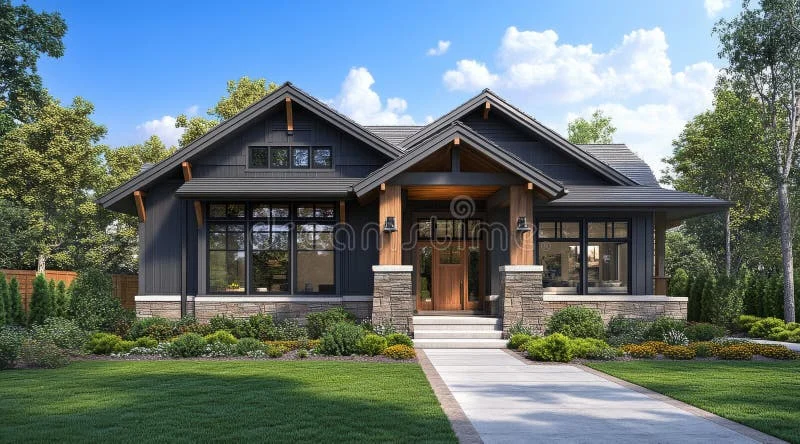
When you step onto a lot in a suburban setting, the first impression often comes from the front elevation. A modern approach replaces the traditional gable with a clean, geometric façade that still respects the scale of neighboring homes. Think of a modest yet striking modern front home design with curb appeal—a balanced mix of board‑and‑batten siding, natural stone accents, and a thoughtfully placed front entry that welcomes you without overwhelming the street.
Inside, the heart of a modern single family home design for suburban living is the open‑concept floor plan. By removing unnecessary walls, you create a fluid transition from kitchen to living room to dining area, allowing family members to stay connected even while they’re cooking, working, or watching TV. This openness also maximizes natural light, an essential factor when you want to bring the outdoors in and reduce reliance on artificial lighting.
Key Principles of Modern Single Family Home Design For Suburban Living
- Flexibility: Rooms that can serve multiple purposes—guest room that doubles as a home office, or a playroom that evolves into a teen’s study.
- Sustainability: Energy‑efficient windows, solar panels, and insulated concrete forms that keep heating and cooling bills low.
- Connection to Nature: Floor‑to‑ceiling glass doors that open onto a patio or garden, blurring the line between indoor and outdoor spaces.
- Material Palette: A mix of warm wood, cool concrete, and subtle metal finishes that add depth without feeling cold.
- Technology Integration: Smart home hubs that control lighting, security, and climate, all accessible from a smartphone.
Open Concept Layouts: Space That Breathes
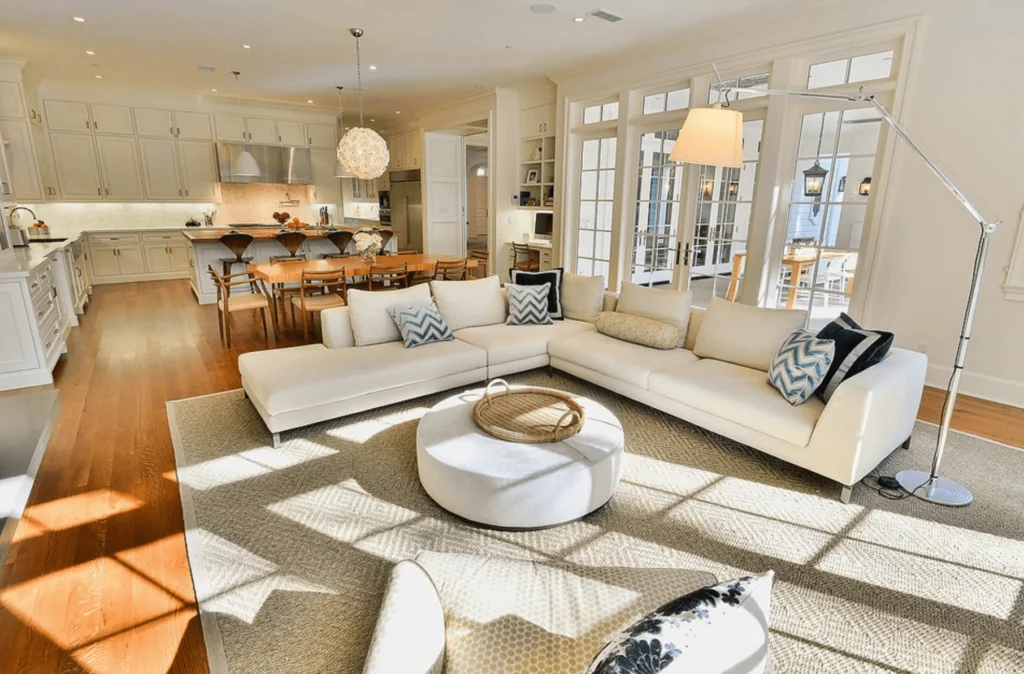
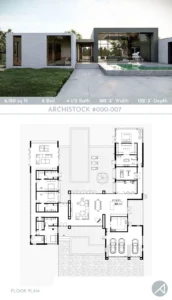
The trend toward open concept is more than a design fad; it’s a response to how families live today. With remote work becoming commonplace, a single, expansive zone can accommodate a home office, a homework station, and a family gathering area without feeling cramped. If you’re hunting for inspiration, the modern home floor plans with open concept layouts showcase clever ways to place utility rooms—like a hidden pantry or a walk‑in laundry—while keeping the visual flow intact.
To keep the space from feeling too “big” or impersonal, introduce defined zones using area rugs, varied ceiling heights, or partial walls. A kitchen island can act as a subtle barrier between cooking and conversation, while still maintaining sightlines across the room. This approach preserves the spacious feeling that modern design promises, yet offers intimate pockets for quiet moments.
Sustainable Features That Pay Off
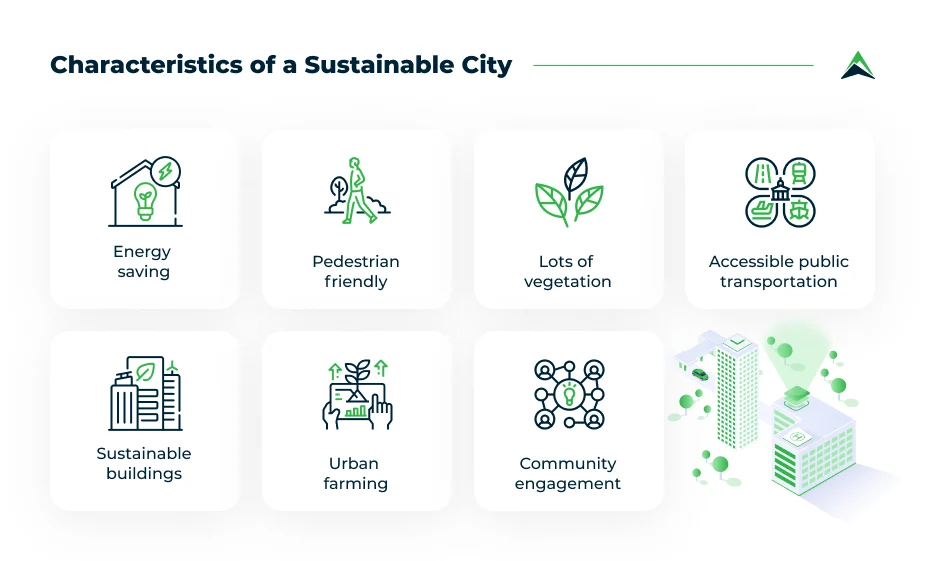
Modern design and sustainability go hand‑in‑hand, especially in suburbs where homes sit on larger plots. Installing high‑performance glazing reduces heat loss in winter and heat gain in summer, cutting energy consumption dramatically. Pair that with a modest rooftop solar array, and you’re looking at a home that not only feels modern but also contributes to a greener community.
Another under‑appreciated element is water management. Incorporating rain‑garden landscaping or permeable pavers around the driveway helps control runoff, protecting local waterways. Inside, low‑flow fixtures and dual‑flush toilets provide everyday water savings without sacrificing performance.
Playful Curb Appeal: First Impressions Matter
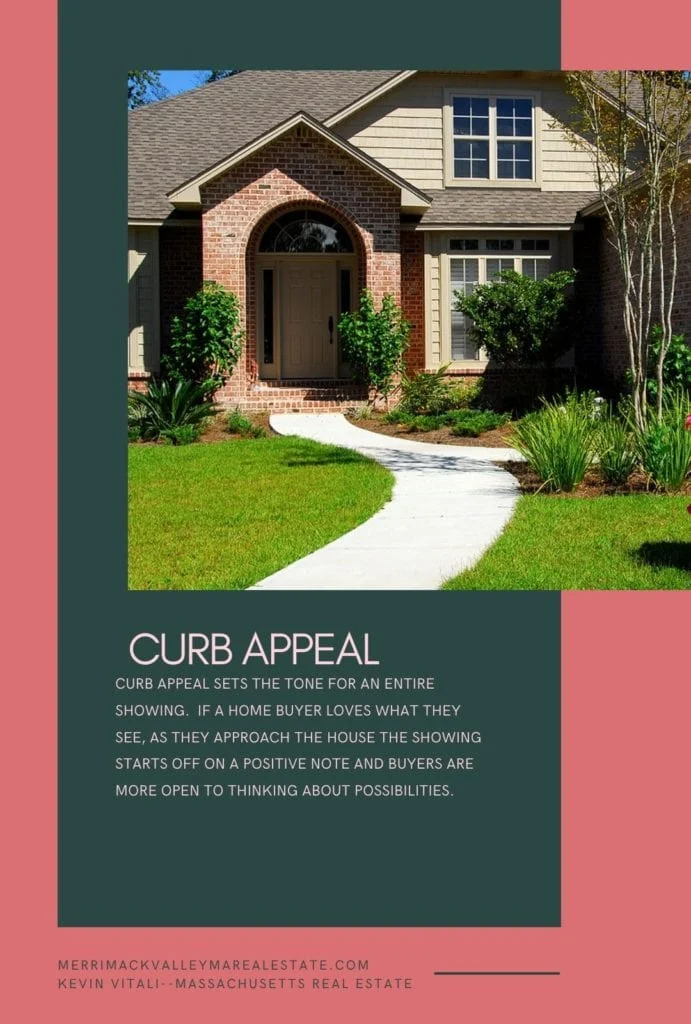
Even the most sophisticated interior can be overlooked if the exterior doesn’t spark curiosity. A playful yet professional curb appeal can be achieved with a combination of bold colors and textures. For instance, a deep charcoal siding paired with a natural wood front door creates a striking contrast that feels both modern and inviting.
Landscaping, too, plays a crucial role. Use native shrubs and grasses that require minimal maintenance, and consider a low‑maintenance garden wall that doubles as a seating area. A small water feature or a series of sculptural planters can add an artistic touch, turning the front yard into an extension of the home’s design language.
Interior Details That Make a Difference
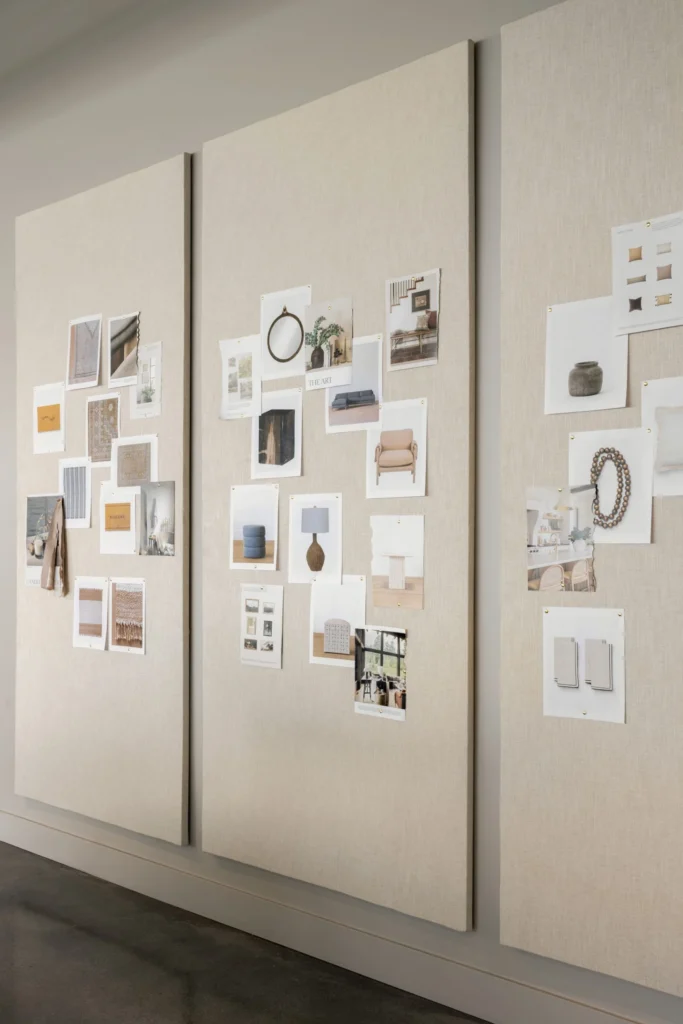
While the layout sets the stage, it’s the finer details that give a home personality. Here are a few ideas that align with modern single family home design for suburban living:
- Built‑In Storage: Recessed closets, under‑stair cabinets, and floor‑to‑ceiling shelving keep clutter out of sight.
- Premium Finishes: A touch of luxury can be added with brushed nickel fixtures, quartz countertops, and matte black hardware—subtle upgrades that feel high‑end without breaking the bank.
- Multi‑Functional Furniture: A sofa that converts into a sleeper, or a dining table with hidden extensions, supports a dynamic household.
- Artful Lighting: Layered lighting—recessed LEDs, pendant lights over the kitchen island, and warm floor lamps—creates ambience for every occasion.
Looking for inspiration on upscale finishes? Check out the beautiful modern house design with premium finishes article for a deeper dive into material choices that elevate a suburban home.
Future‑Ready Spaces: Technology and Adaptability
Modern families value homes that can adapt as they grow. Smart home systems that manage lighting, climate, and security not only provide convenience but also future‑proof the property. Imagine a scenario where you can pre‑heat the living room before you arrive from work, or where the security cameras automatically alert you to any unusual activity—all from a single app.
Flex rooms are another trend. A third bedroom that can transform into a home gym, art studio, or even a small rental unit (subject to local regulations) gives homeowners flexibility to respond to life changes without major renovations.
Budget‑Friendly Tips Without Compromising Style
Creating a modern single family home doesn’t have to drain your savings. Start with a solid, efficient floor plan—often the biggest cost factor is the footprint. Choose standard window sizes and keep the roofline simple to reduce construction complexity. Opt for locally sourced materials; they’re typically cheaper and add regional character.
Another cost‑saving tip is to prioritize high‑impact areas. Invest in a quality kitchen island or a striking front door, and let the rest of the finishes be more modest. This approach mirrors the principle of “focus, then fill,” ensuring the home feels polished without overspending.
For readers interested in how to balance budget and style, the affordable modern homes for budget conscious buyers guide offers actionable advice on making smart trade‑offs.
In the end, the essence of modern single family home design for suburban living is about creating a space that feels both contemporary and timeless. It’s a home that welcomes the morning sun, adapts to the family’s evolving needs, and stands proudly on the street as a testament to thoughtful design. By blending open concepts, sustainable practices, playful curb appeal, and tech‑savvy features, you can craft a residence that not only meets today’s expectations but also anticipates tomorrow’s possibilities.